Building Climate Resilience Through Quality Renewable Energy Infrastructure
The Growing Need for Climate-Resilient Energy Systems
As renewable energy adoption accelerates globally, extreme weather events are testing the durability of our power infrastructure. The solution lies in building systems that combine sustainability with weather-proof reliability.
Why Infrastructure Quality Is Critical for Renewables
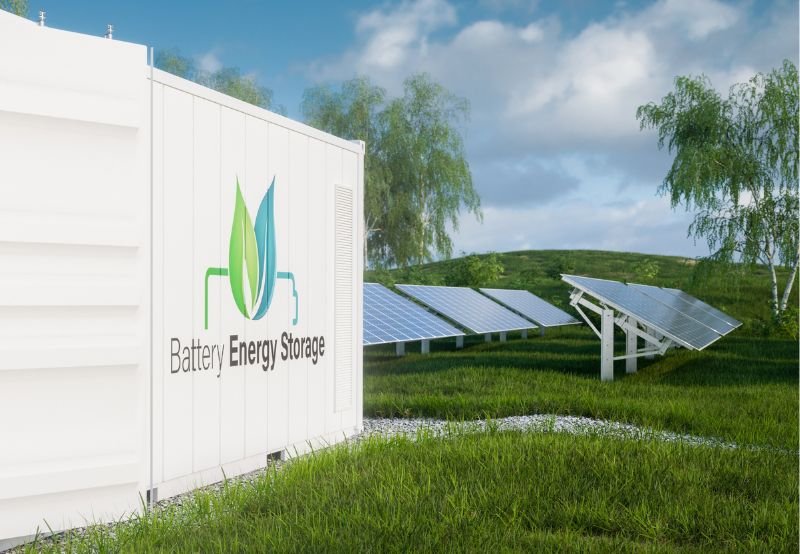
Modern energy systems require more than just generation capacity – they demand smart integration of technologies like hybrid solar systems with storage to withstand climate challenges. Key considerations include:
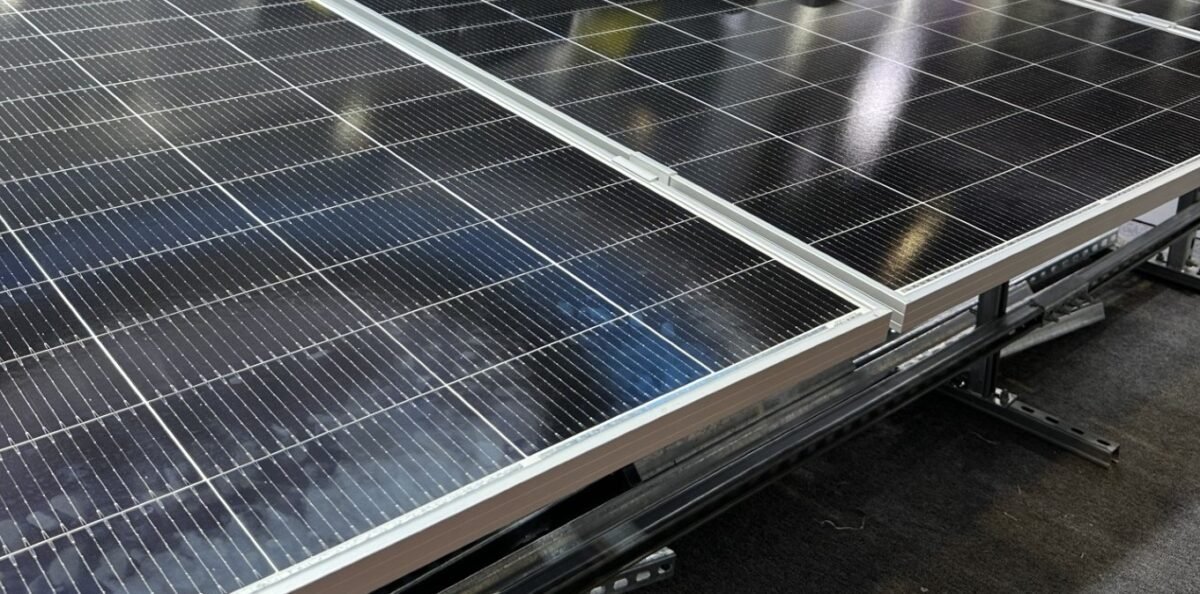
- Advanced materials resistant to extreme temperatures
- Real-time performance monitoring capabilities
- Modular designs for rapid post-disaster recovery
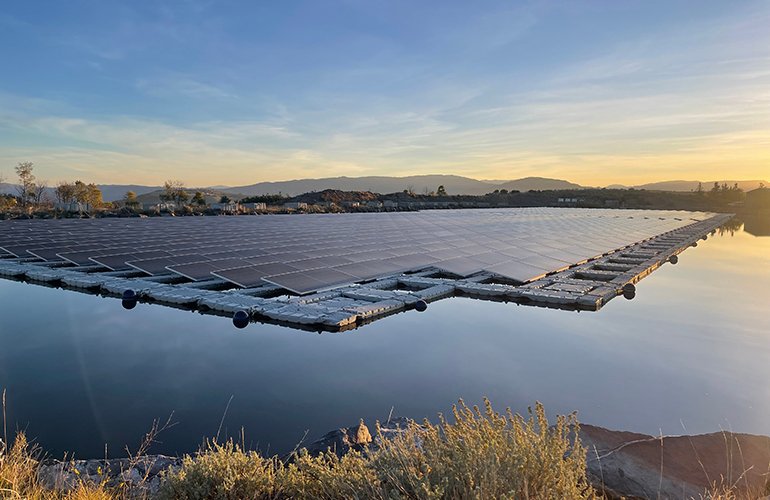
- Strategic placement considering climate projections
Case Studies in Resilient Design
Urban Solutions
Projects like the Beauflor USA rooftop solar array in Atlanta demonstrate how industrial facilities can maintain operations through grid disruptions.
Utility-Scale Innovation
The Recurrent Energy Kentucky solar farm incorporates weather-resistant trackers and flood mitigation features.
The Economic Case for Resilient Infrastructure
Investing in quality upfront prevents costly failures later. The SEIA circular economy plan shows lifecycle approaches that reduce long-term costs while boosting reliability.
Future-Proofing the Energy Transition
Key emerging technologies for climate resilience include:
- AI-driven predictive maintenance systems
- Storm-proof mounting solutions
- Redundant microgrid architectures
- Advanced battery storage configurations
By combining innovative design with strong execution strategies, the renewable sector can deliver both sustainability and reliability in our changing climate.