India’s Renewable Energy Crisis: SECI Cancels 4.5 GW Offshore Wind Tenders
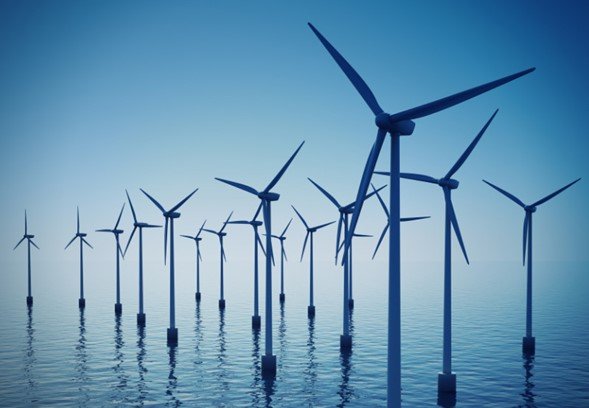
In a shocking move, the Solar Energy Corporation of India (SECI) has canceled 4.5 GW offshore wind tenders due to a lack of interest from developers. This decision raises questions about India’s ambitious renewable energy goals, particularly in the offshore wind sector.
Why Offshore Wind Projects Are Struggling
Offshore wind projects require massive upfront investments, complex logistics, and a great deal of patience. Unlike solar panels, which can be installed on rooftops in a matter of weeks, offshore wind turbines demand years of planning and development. This has led many to wonder if SECI misjudged the market’s readiness for such projects.
The Financial Hurdle: High Costs and Limited Returns
The financial realities of offshore wind projects are daunting. A single turbine can cost upwards of $3 million before installation, and the returns on investment are often slow to materialize. In contrast, solar farms have become increasingly cost-effective, with prices dropping to $0.50 per watt in some cases. It’s little wonder that developers are hesitant to take on the risks associated with offshore wind.
While solar energy has achieved grid parity in many Indian states, wind power, particularly offshore wind, still lags behind. Transmission infrastructure is patchy, and tariffs often fail to justify the risks involved. The Indian government’s draft offshore wind policy has been in limbo since 2018, leaving developers without clear incentives or guidance.
A Lesson from Germany’s Success
Germany’s success in the wind energy sector offers a valuable lesson for India. By providing streamlined permits and feed-in tariffs, Germany has fueled a wind boom that has helped the country transition to cleaner energy sources.
What’s Next for India’s Offshore Wind Ambitions?
SECI may retry with sweetened terms or pivot to hybrid projects combining wind and solar, like those popping up in Tamil Nadu. One thing is certain: the 4.5 GW of canceled offshore wind tenders will not disappear. It will be interesting to see how India’s renewable energy landscape evolves in response to this setback.
Learn more about India’s solar manufacturing boom and supply chain challenges here.
Explore the latest developments in hybrid solar systems and their benefits here.