Rajasthan Invites Bids for 500 MW Standalone Battery Storage
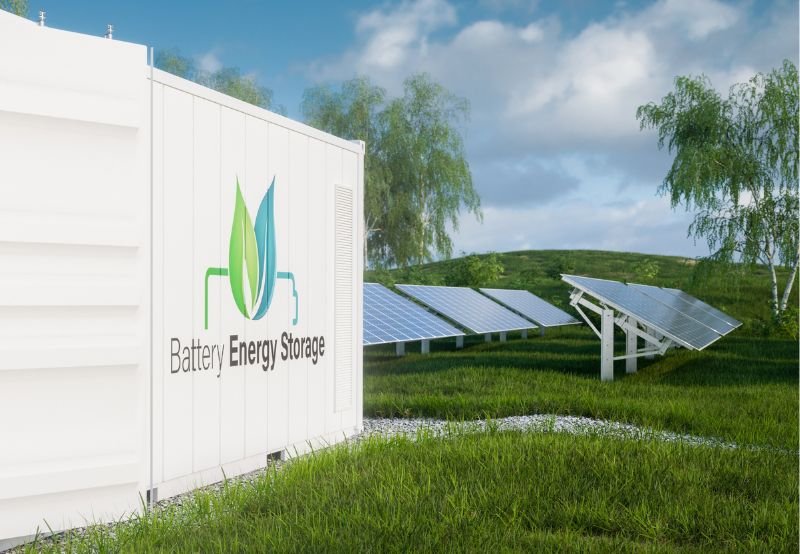
Rajasthan Rajya Vidyut Utpadan Nigam (RVUNL) has put out a request for setting up 500 MW/2,000 MWh standalone battery energy storage systems (BESS) under the build-own-operate model. This move could be a game-changer for India’s renewable energy push. But what does it mean for solar professionals?
Why Battery Storage Matters More Than Ever
Solar panels are great when the sun’s shining, but they don’t solve the night-time problem. That’s where battery storage comes in. The Rajasthan tender isn’t just about capacity – it’s about reliability. Think of it like a giant Powerwall for the grid, but on steroids.
The Numbers Behind the Tender
500 MW capacity might sound modest compared to solar parks, but 2,000 MWh storage changes everything. That’s enough to power ~800,000 homes for an hour during peak demand. The build-own-operate model means private players take on the risk – and reap the rewards.
Challenges Hidden in the Fine Print
Land acquisition in Rajasthan isn’t always smooth sailing. Then there’s the thermal management puzzle – keeping lithium-ion batteries happy in 45°C heat requires clever engineering. Some say the tariff structure favors big players, but smaller innovators might surprise us.
Learning From Global Precedents
Australia’s Hornsdale Power Reserve (aka Tesla’s big battery) showed storage can stabilize grids faster than gas plants. Rajasthan’s project could do the same while creating local jobs. The key? Getting the right partners – maybe someone like Fluence or LG Chem.
What Solar Developers Need to Watch
Pairing storage with existing solar farms could unlock new revenue streams. Time-shifting energy to peak pricing periods might turn marginal projects into winners. And let’s not forget ancillary services – batteries are killer at frequency regulation.
The submission deadline looms in Q3 2023. Will this tender spark the storage revolution India needs? Only if execution matches ambition.