PM Surya Ghar Rooftop Solar Target Hits 5 Million with Utility Model
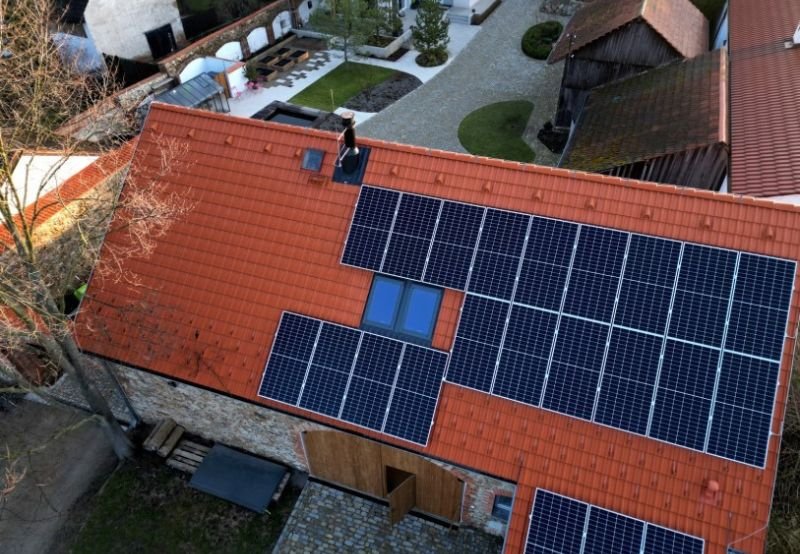
India’s PM Surya Ghar rooftop solar revolution has reached a milestone with 5 million registrations under its utility-led model. This game-changing approach, announced by Union Minister Pralhad Joshi, transfers responsibility to DISCOMs for end-to-end project execution – from approvals to subsidies. For installers and homeowners, this means streamlined processes and faster adoption.
Why the Utility-Led Model Accelerates Solar Growth
India’s rooftop solar sector previously struggled with bureaucratic delays and inconsistent policies. The new model makes power utilities one-stop shops for:
- Net metering approvals
- Subsidy processing
- System installation coordination
This shift mirrors successful hybrid solar system deployments in commercial projects, where centralized management boosts efficiency.
Operational Efficiency Breakthrough
Where states once took months to process applications, DISCOMs now complete approvals in weeks. Standardized processes eliminate regional policy variations, while their customer networks enable targeted outreach based on energy usage data.
5 Million Rooftops: Groundbreaking but Achievable
While ambitious, India’s solar capacity growth makes this target realistic when considering:
- 40-60% subsidies for systems up to 3 kW
- Falling panel costs (now ₹1.5-2 lakh for 3 kW)
- 5-6 year payback periods
States like Gujarat demonstrate this potential through initiatives like their 300 MW renewable energy plan integrating rooftop solar.
Solar Professionals: Adapting to the New Model
EPC companies must align with utility procurement standards, where quality benchmarks favor established players. Smaller installers can compete through:
- Tier-1 equipment partnerships
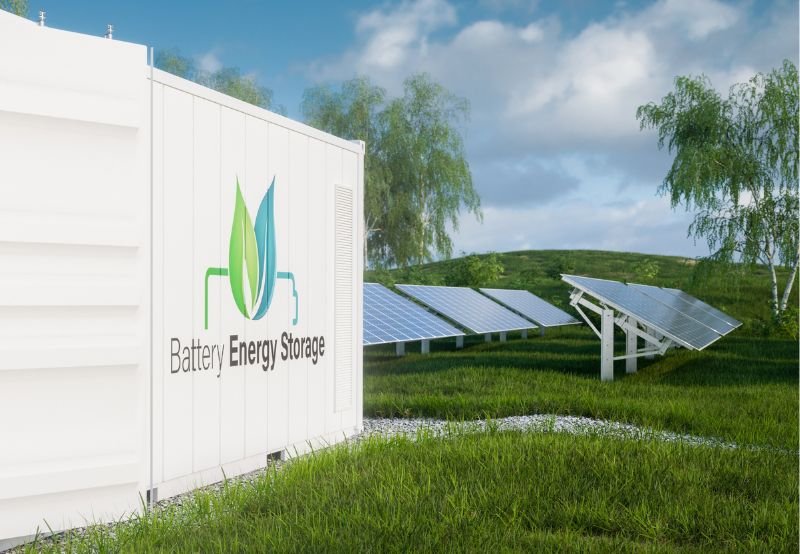
- Battery storage add-ons (crucial for industrial solar adoption)
- Specialized financing options
Financial Incentives Explained
The scheme’s Central Financial Assistance (CFA) covers 60% of system costs for 2 kW, tapering to 40% for 3 kW systems. When combined with net metering credits, most homeowners recover costs within 5 years, followed by decades of near-free electricity.
The Road Ahead: Infrastructure and Innovation
Successful implementation requires:
- DISCOM infrastructure upgrades for bidirectional power flow
- Continued consumer education on long-term savings
- Expansion of battery storage solutions for grid reliability
With strong execution, this utility-led approach could position India as a global leader in distributed solar – one rooftop at a time.