North Carolina Solar Industry Faces Rate Hike Uncertainty After SB 266 Veto Override
North Carolina’s solar sector just hit a regulatory speed bump. Legislators overrode Governor Roy Cooper’s veto of SB 266, clearing the way for utilities to implement more frequent rate increases—including charges for projects that might never materialize. For solar installers and customers alike, this could mean rougher seas ahead.
What Exactly Changed With SB 266?
The new law lets utilities bypass traditional rate review timelines under the NC Utilities Commission. Instead of waiting for scheduled hearings—where consumer advocates and industry groups typically weigh in—Duke Energy and others can now petition for mid-cycle rate adjustments tied to “grid improvements.”
The Fine Print That Should Worry Solar Pros
Buried in the legalese is a provision allowing utilities to bill customers for renewable energy investments before they’re even built. Picture homeowners paying for solar farms through higher rates… that might get canceled later. It’s like funding a Tesla Powerwall installation, then finding out the company kept your deposit without delivering the batteries.
Why Solar Installers Should Care
When electricity rates become unpredictable, financing solar arrays gets trickier. Businesses rely on steady utility rates to calculate payback periods—the math gets fuzzy when tariffs can spike unexpectedly. We saw this play out in Ohio last year, where similar policies led to a 15% drop in commercial solar applications.
But Here’s The Optimistic Angle
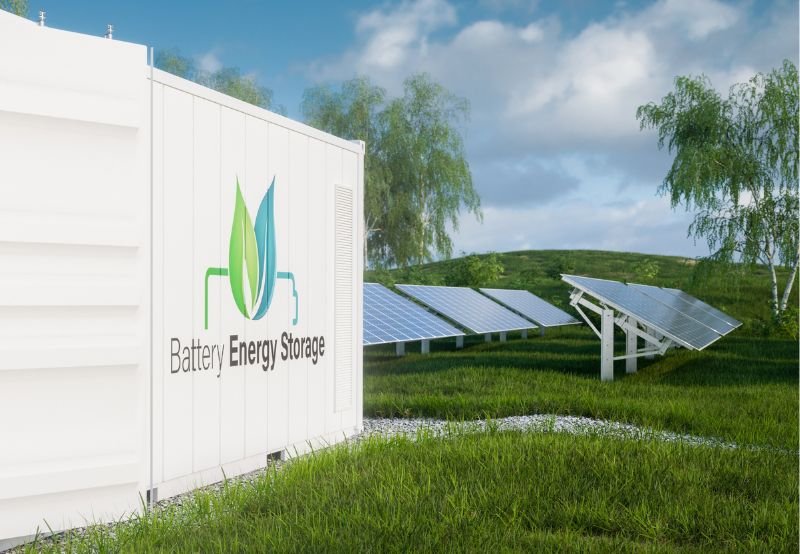
Chaos breeds opportunity. More volatile utility rates could actually boost interest in solar-plus-storage systems. With Fronius inverters and lithium batteries now hitting sub-$300/kWh price points, going off-grid is becoming realistic even for mid-sized manufacturers. One Charlotte-based installer told me they’ve already fielded 20% more backup system inquiries since SB 266 passed.
The road ahead isn’t straightforward, but neither is it a dead end. Solar has survived policy shakeups before—remember the 2018 tariff wars? What matters now is adapting the value proposition: stable energy costs in an unstable regulatory landscape.