New Treasury Rules Reshape Solar Tax Credit Landscape
The U.S. Treasury Department’s latest guidance on renewable energy tax credits has sent ripples through the solar industry. While some feared drastic cuts, the changes—though restrictive—aren’t the death knell many predicted. Here’s what you need to know.
Understanding the Changes
New rules limit how wind and solar projects can qualify for federal incentives, particularly for Investment Tax Credits (ITC) and Production Tax Credits (PTC). But analysts agree: This isn’t 2012’s solar coaster ride. The adjustments target specific project structures, not blanket reductions.
Boost to Domestic Content
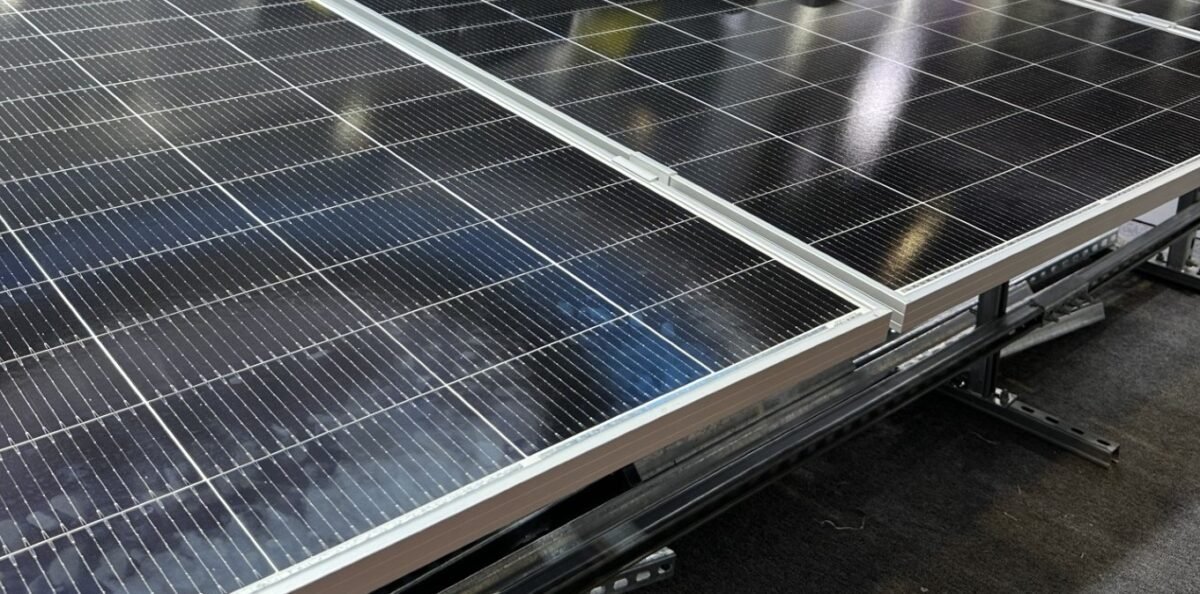
Projects using U.S.-made components—think Sungrow advanced home battery Southeast Asia panels or Schneider Electric inverters—now see enhanced credits. The message? Buy American, build American. This could reshuffle supply chains faster than a Texas hailstorm.
Community Solar Impact
Shared solar arrays face tighter qualification hurdles. For developers like Nexamp or Sunrun, it means recalculating payback periods. “The math just got fuzzier,” one installer told me last week. But before you panic—remember the 30% base credit remains intact.
Storage Loophole Shrinks
Battery systems like Tesla Powerwall now require direct solar coupling to claim credits. Standalone storage? Out of luck. Yet with grid instability rising, this might push more hybrid systems into the market.
What Installers Should Do Tomorrow
1. Audit active projects for new domestic content thresholds
2. Re-educate sales teams on revised credit timelines
3. Reconfigure storage proposals to maintain eligibility
The rules take effect January 2024—giving you six months to adapt. Not exactly a grace period, but better than overnight upheaval.
The Silver Lining Playbook
Yes, it’s paperwork. Yes, it’s constraints. But compare this to fossil subsidies vanishing overnight during past administrations. Solar’s fundamentals stay strong—modules are 80% cheaper than 2010, and rooftops aren’t going anywhere.
Final thought: Policy winds shift. Your job? Keep panels pointing sunward regardless.