KACARE Empowers Female Students in Japan with Renewable Energy Training
The King Abdullah City for Atomic and Renewable Energy (KACARE) just took a bold step toward closing the gender gap in sustainable energy. They’ve launched a specialized training program for female students in Japan, blending cutting-edge solar tech education with real-world applications. But why Japan, and why now?
Bridging the Gender Gap, One Solar Panel at a Time
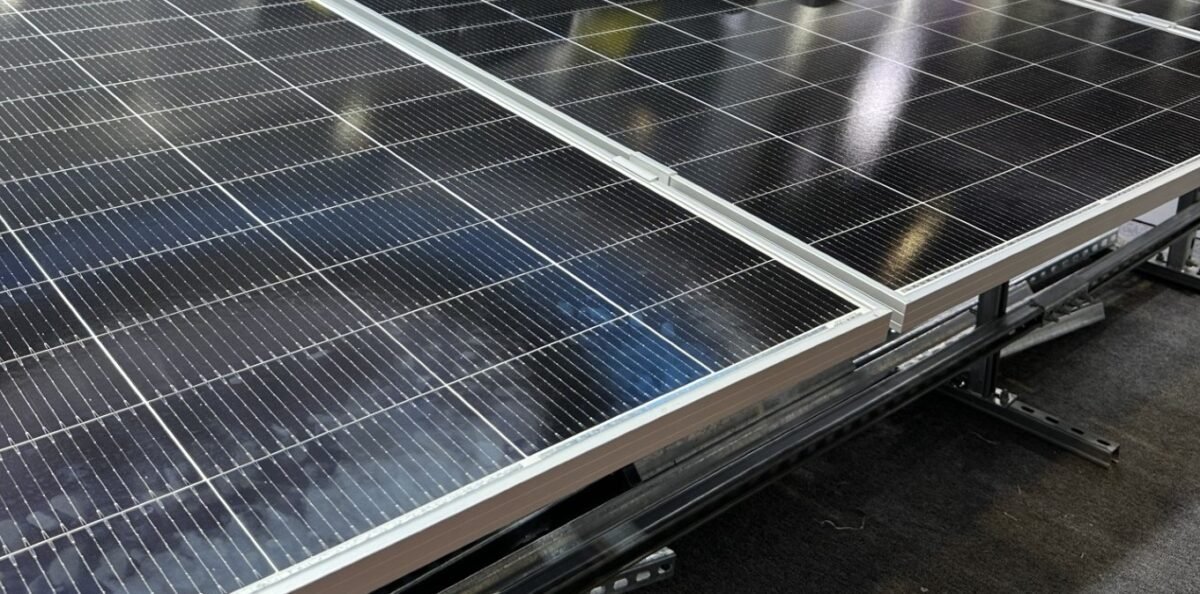
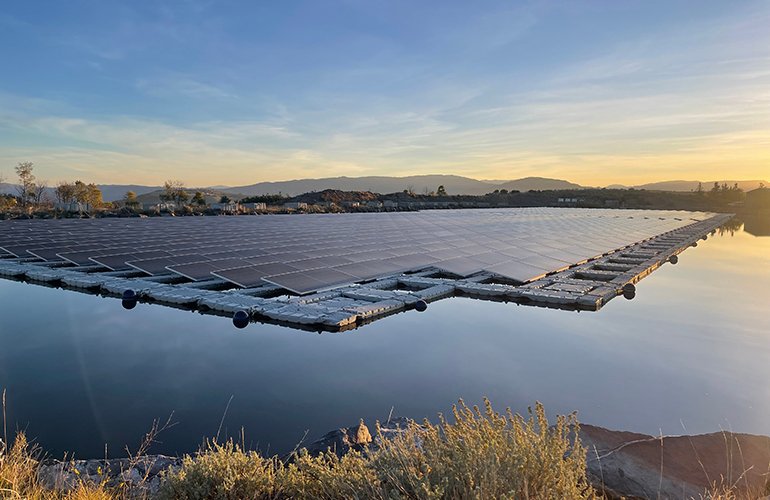
Saudi Arabia’s KACARE might seem like an unlikely player in Japan’s renewable energy scene. Yet their new initiative—focused squarely on empowering women—could reshape both countries’ clean energy futures. The program covers everything from PV module efficiency to grid integration, with hands-on workshops at Japanese solar farms.
More Than Just Technical Skills
Participants won’t just learn how inverters like Fronius or SolarEdge optimize power output. The curriculum dives into policy frameworks, financing models, and even community engagement strategies that work in dense urban areas like Tokyo versus rural Hokkaido.
The Surprising Synergy Between Saudi and Japanese Solar Markets
At first glance, Japan’s feed-in tariffs and Saudi Arabia’s vast photovoltaic farms appear worlds apart. But both nations face similar challenges: aging grids, rising energy demand, and public skepticism about renewables’ reliability. This program creates a knowledge bridge while addressing cultural barriers.
Why Female Leadership Matters
Studies show women reinvest 90% of their income in community development versus 40% for men. When female engineers install solar panels in Osaka or design microgrids for Kyushu, the ripple effects could accelerate Japan’s 2030 decarbonization goals faster than any government mandate.
As one trainer put it: ‘Teaching voltage curves is easy. Building confidence to lead in a male-dominated field? That’s where real change happens.’