India Mandates Local Software for BESS VGF Scheme Upgrades
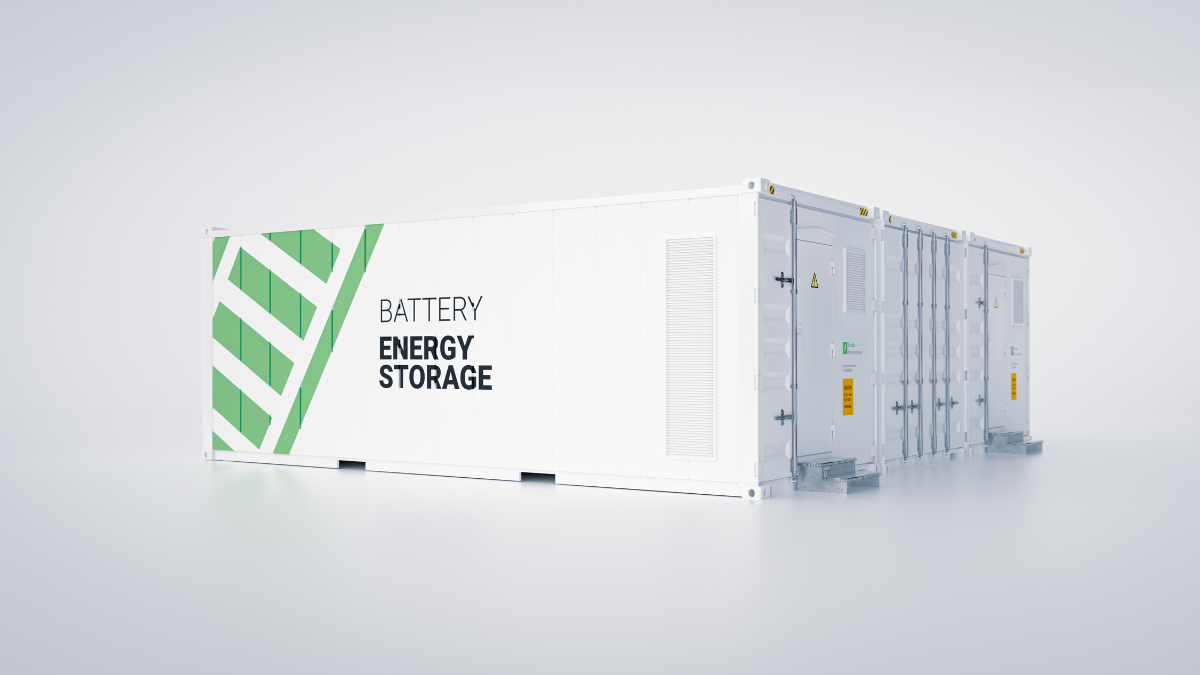
The Ministry of Power has introduced groundbreaking changes to the Battery Energy Storage Systems (BESS) VGF scheme, reshaping India’s renewable energy infrastructure. Solar professionals must adapt to these transformative requirements for control software and quality benchmarks.
Key Changes in the VGF Scheme
The revised guidelines now mandate:
- Indian-made control software for all BESS projects
- Stricter quality standards matching global benchmarks like Tesla Powerwall
- 60% local content requirement by 2026 for maximum subsidies
Make in India Software Mandate
This shift replaces black-box foreign software with domestic solutions from developers like AmpereHour and e-Propel. Grid operators gain immediate access for algorithm adjustments without waiting for overseas support.
Enhanced Quality Standards
The government has set rigorous specifications:
- Minimum 6,000 cycles at 80% depth of discharge
- 85% round-trip efficiency requirement
- Ban on uncertified Chinese battery packs
Funding and Implementation Timeline
VGF support now scales with indigenization levels, mirroring the successful net metering model that boosted rooftop solar. All new bids from Q1 2025 must comply with these regulations.
Balancing Growth and Grid Stability
While some developers face short-term adaptation challenges, these measures prevent the battery failures seen in South Korea. The changes also align with the Central Electricity Authority’s grid code updates for better frequency stabilization.
This policy shift represents India’s growing confidence in domestic renewable technology, following similar successes like the solar manufacturing boom. The tight implementation timeline underscores the urgency of India’s energy transition.