IFC’s Green Banking Alliance Expands With $5.6 Trillion Push Across Asia-Pacific
The International Finance Corporation (IFC) has added 20 major banks to its Green Banking Alliance, collectively managing $5.6 trillion in assets. This landmark move accelerates solar financing across developing economies – but what does it mean for renewable energy developers?
Solar Development Gets a $5.6 Trillion Boost
Solar projects from Mumbai rooftops to Vietnamese mega-farms require substantial capital. The alliance’s participation of institutions like DBS (Singapore) and HDFC (India) transforms renewable energy from high-risk to mainstream lending.
The Game-Changing Signal for Solar Finance
When institutions controlling $5.6 trillion collectively endorse green financing, it reshapes risk assessments. The IFC’s technical guidelines now enable:
- Faster approvals for hybrid solar systems
- Lower interest rates for commercial solar assets
- Standardized processes for large-scale projects
Key Impacts on Solar Project Development
Asia has reached grid parity with solar cheaper than coal in 80% of markets. This alliance forces financial institutions to reclassify solar as low-risk infrastructure rather than experimental technology.
Overcoming Commercial Solar Financing Hurdles
The initiative tackles persistent challenges through:
- Automated performance analytics for solar assets
- Weather-adjusted ROI modeling tools
- Standardized industrial solar evaluation templates
The Rooftop Revolution Expands
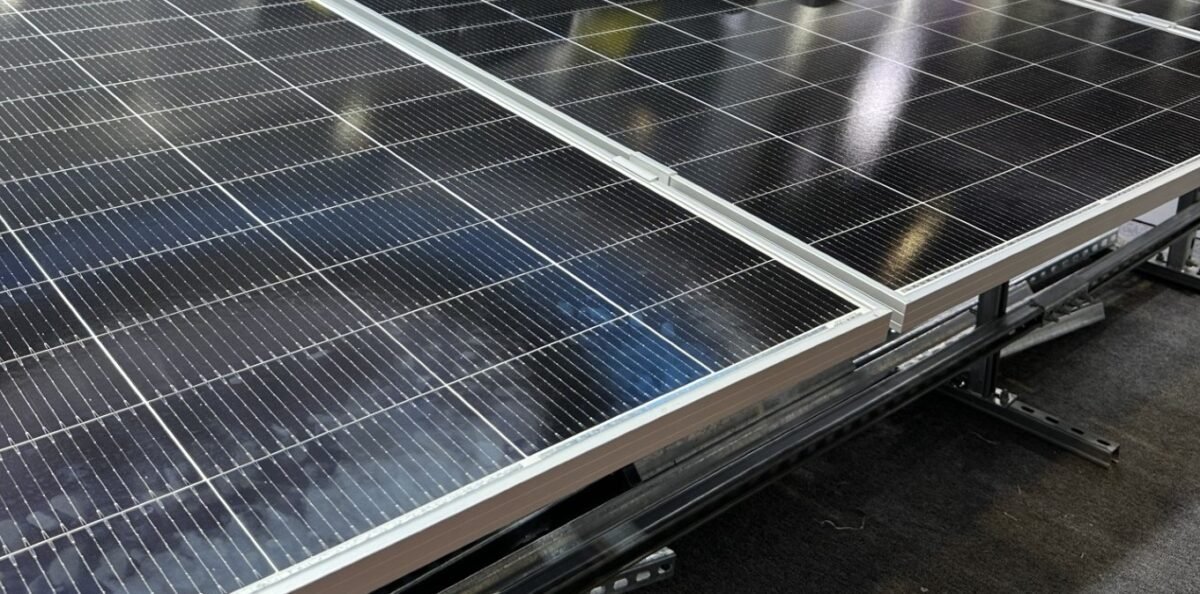
While residential solar garners attention, commercial rooftops like Tamil Nadu’s textile factories showcase 5-year payback periods. The alliance’s standardized lending makes these projects more accessible than ever.
Storage Breakthroughs on the Horizon
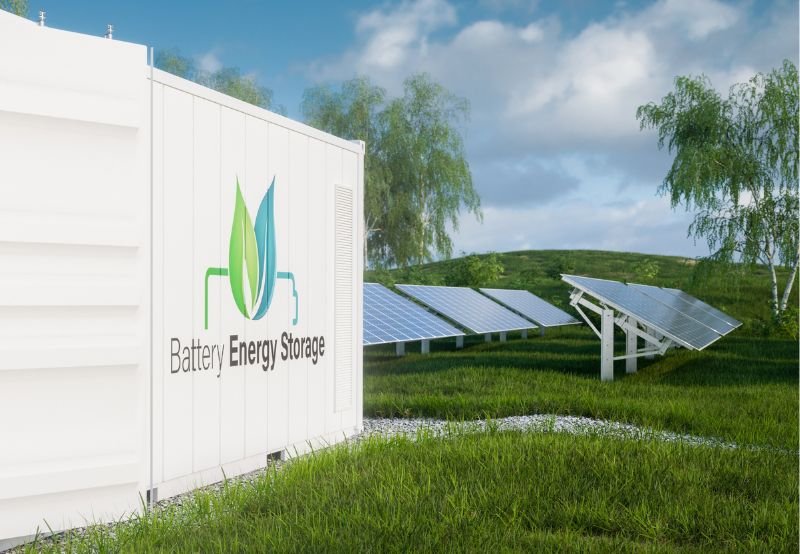
Historically difficult-to-finance battery storage gains traction through improved degradation models, enabling solar+storage solutions for hospitals, malls and telecom infrastructure.
The Path Forward for Asian Solar
Watch for two key developments: rapid regional bank adoption of these standards, and microfinance institutions following suit. The real transformation occurs when small businesses can secure $15,000 solar loans as easily as conventional financing.
One message rings clear – with $5.6 trillion in committed financing and proven technology, Asia’s solar revolution now has the capital to match its ambition.