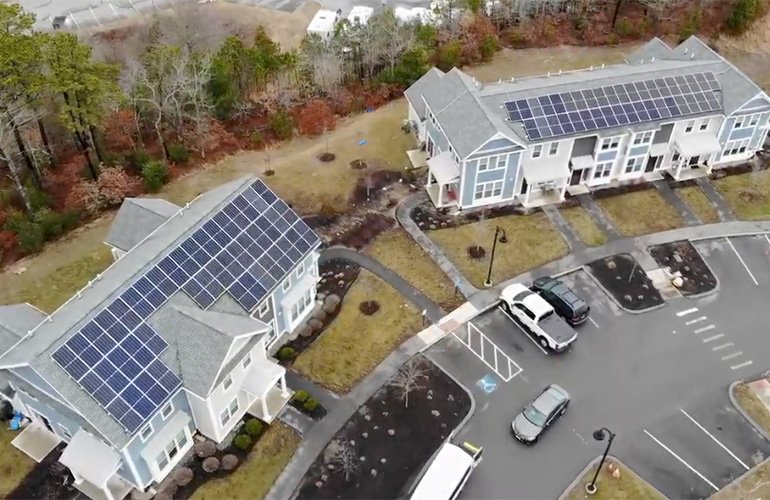
How a 40.3-kW Solar Array Transforms Affordable Housing on Cape Cod
Bourne, Massachusetts has taken a significant step toward sustainability with the activation of a 40.3-kW rooftop solar system at a family housing development. The Nonprofit Preservation of Affordable Housing (POAH) secured Eversource approval for this project, partially funded by Massachusetts’ innovative Gap Energy Grant program. This installation demonstrates how solar energy can enhance affordability while reducing carbon footprints.
Breaking Barriers in Affordable Solar Solutions
Affordable housing projects often face financial hurdles when considering renewable energy. However, programs like Massachusetts’ Gap Energy initiative address this through strategic funding. By bridging cost gaps, they enable projects where every dollar counts to adopt clean energy solutions.
System Specifications and Benefits
- 40.3 kW capacity tailored for maximum impact
- High-efficiency panels optimized for New England conditions
- Significant energy cost reductions for residents
- Grid decarbonization through net metering
The Role of Energy Storage Solutions
While this project currently focuses on solar generation, the future lies in integrated solar-plus-storage systems. As battery prices continue declining, solutions like those from GoodWe could make affordable housing both resilient and grid-independent.
Grid Integration Challenges and Solutions
Utility interconnection approvals, often lengthy in older neighborhoods, were streamlined for this project. Modern inverters from companies like Fronius or SolarEdge facilitated seamless grid synchronization, showcasing how technology improves accessibility.
A Model for Renewable Affordable Housing
This Cape Cod project follows the successful model of California’s 2020 low-income solar initiative. With rooftop solar costs down 70% since 2010, the economics increasingly favor such installations. The POAH system demonstrates how policy support and smart engineering can create win-win solutions for residents and the environment.
Looking ahead, the convergence of falling hardware costs and advancing storage technology suggests this model will expand nationwide. As Massachusetts shows, strategic incentives paired with practical implementation can light the way for sustainable, affordable communities.