Empower New Energy Expands Solar Partnership in Kenya with 9 MWp Project
Empower New Energy and Abyssinia Group Industries are doubling down on their solar ambitions in Kenya. The duo just secured an Electricity Generation License from EPRA for a 4 MWp solar plant and announced plans to scale up to 9 MWp. This isn’t just another solar project—it’s a game-changer for Kenya’s energy landscape.
Why Kenya? The Solar Gold Rush
Kenya’s solar potential is off the charts. With over 300 sunny days a year, it’s like nature’s gift to renewable energy. But here’s the kicker: only 30% of rural Kenya has grid access. Solar isn’t just nice-to-have here; it’s lifeline infrastructure.
The 9 MWp project will power Abyssinia’s industrial operations first, feeding excess energy into Kenya’s grid. Think of it as a two-for-one deal: cleaner industry power plus community electricity access.
The Tech Behind the Megawatts
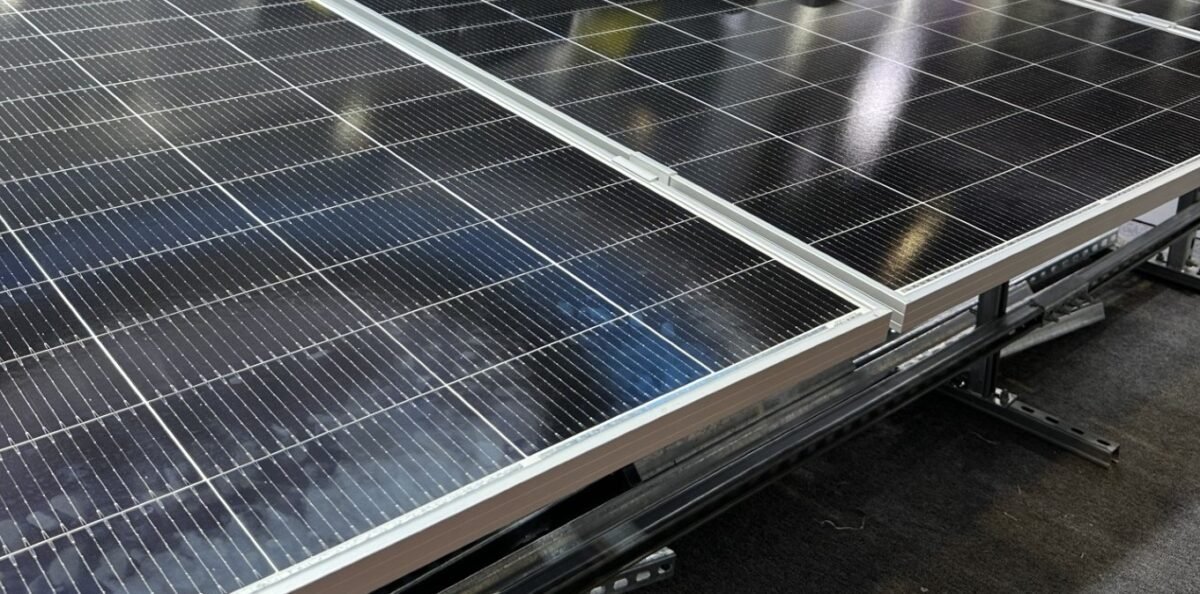
While specs aren’t fully public yet, expect tier-1 solar panels (likely JinkoSolar or Longi) paired with SMA or Fronius inverters. These aren’t your uncle’s backyard solar setups—we’re talking industrial-grade systems with 25-year performance warranties.
Fun fact: 9 MWp can juice up ~15,000 Kenyan homes. That’s bigger than Nairobi’s Karen suburb.
License to Kilowatt: EPRA’s Green Light
Scoring an Electricity Generation License in Kenya isn’t like ordering chapati. EPRA mandates:
- Environmental impact assessments
- Grid interconnection studies
- Proof of financial backing
This approval signals serious government buy-in. Remember when Kenya pledged 100% renewable energy by 2030? Projects like this make that plausible.
But What About Cloudy Days?
Solar skeptics love asking this. Kenya’s ‘worst’ solar day still delivers 4-5 peak sun hours—better than Germany’s annual average. The plant will use bifacial panels that catch sunlight from both sides, squeezing out extra watts like a masala chai vendor maximizing tea leaves.
The Ripple Effect: Jobs, Skills, and Beyond
Expect 200+ temporary jobs during construction and 15-20 permanent ops roles. But the real win? Knowledge transfer. Kenyan engineers will train on cutting-edge solar tech, creating local expertise that outlasts this project.
Abyssinia—a major paint manufacturer—will cut its carbon footprint while locking in predictable energy costs. In an era of volatile diesel prices, that’s financial breathing room.
What’s Next for East African Solar?
This project could ignite similar industrial solar partnerships across Uganda, Tanzania, and Rwanda. Tanzania just slashed solar import taxes—coincidence? Probably not.
The hybrid model (industrial self-consumption + grid feed-in) is replicable across emerging markets. India’s 40 GW rooftop target? Same playbook, different continent.
One lingering question: Will Kenyan factories start demanding solarPPAs the way Indian IT parks do? Watch this space.