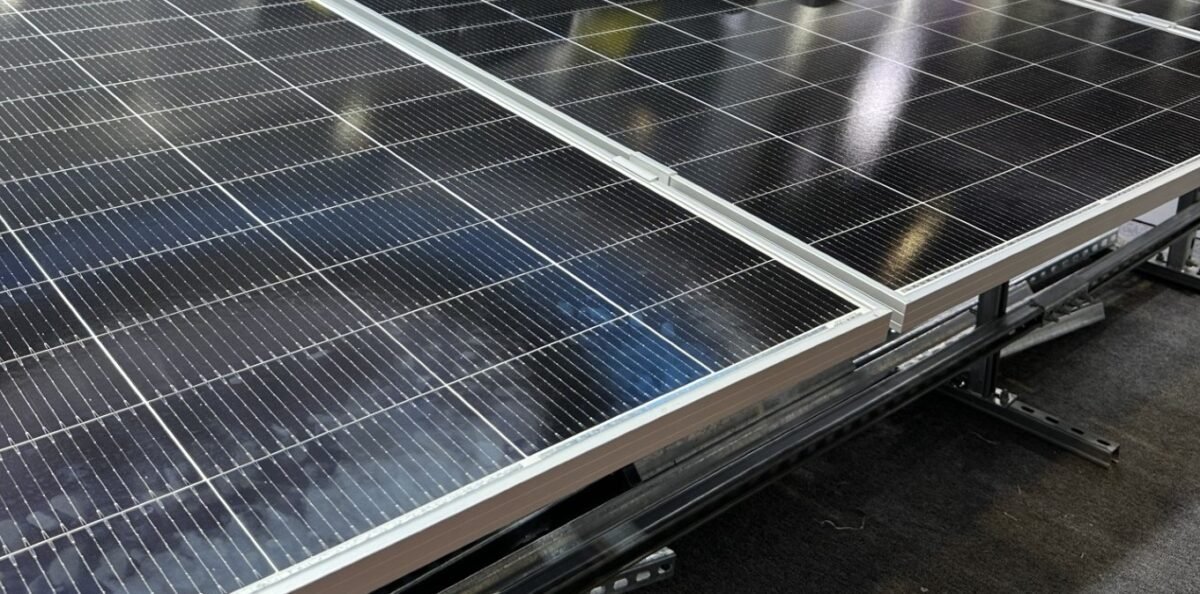
CERC Approves Tariff for 1400 MW Renewable Energy Projects in India
India’s Renewable Energy Sector Gains Momentum with CERC Approval
The Central Electricity Regulatory Commission (CERC) has approved tariffs for 1400 MW renewable energy projects, marking a significant milestone in India’s clean energy transition. This decision accelerates progress toward India’s ambitious target of 40% non-fossil fuel capacity by 2030.
What This Means for India’s Clean Energy Future
- Strengthens progress toward 175 GW renewable capacity target
- Attracts new investment in solar and wind sectors
- Creates green jobs across the renewable value chain
Competitive Tariff Rates Boost Solar Adoption
With tariffs set at ₹3.43/kWh, renewable energy becomes more cost-competitive with conventional power. This pricing aligns with India’s strategy for renewable energy investment and supports industrial transition to cleaner power sources.
Key Players Driving India’s Renewable Expansion
NHPC emerges as a major contributor through its 1400 MW renewable portfolio, while regulatory bodies like CERC enable project viability through supportive policies. This framework mirrors successful approaches seen in Germany’s solar integration projects.
The Road Ahead for India’s Energy Transition
While this approval marks progress, India faces ongoing challenges including grid integration and storage solutions. Experts highlight parallels with solar manufacturing and supply chain hurdles that require strategic solutions.
Future Outlook
- Expected surge in utility-scale projects
- Growing emphasis on hybrid renewable systems
- Continued policy support for clean energy adoption