Madhya Pradesh Tenders 500 MW Energy Storage for Grid Stability
The Madhya Pradesh Power Management Company (MPPMCL) has just dropped a major opportunity for pumped storage projects (PSPs) developers. They’re calling for bids to set up 500 MW of PSPs connected to the interstate transmission system (ISTS). The deadline is October 27, 2025, with bids opening four days later. This isn’t just another tender – it’s a game-changer for India’s renewable energy push.
Why Pumped Storage Matters Now
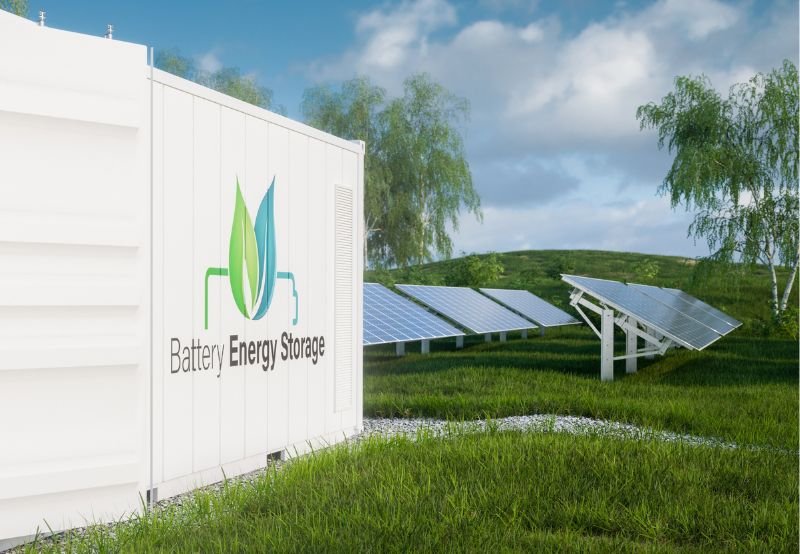
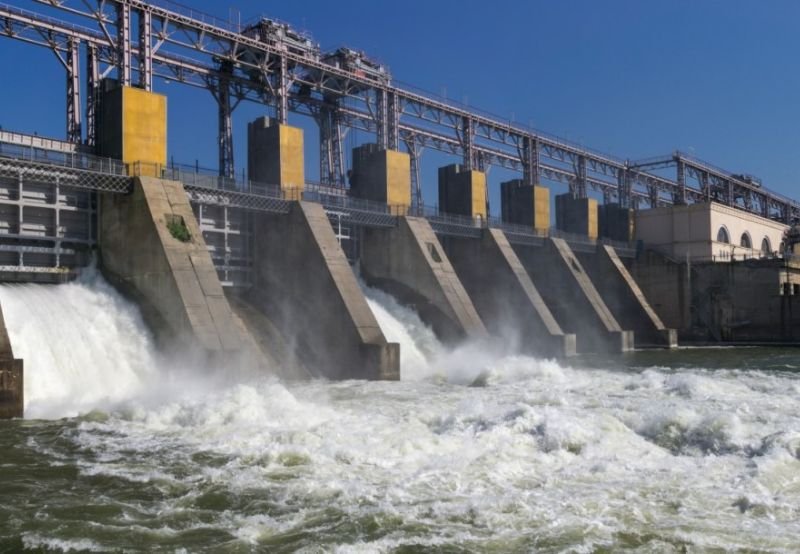
Remember how solar panels flooded the market but left grids struggling with intermittent supply? PSPs are the unsung heroes here. They store excess energy when demand is low (think midday solar surges) and release it during peak hours. It’s like a giant battery, but using water and gravity instead of lithium.
The Technical Nitty-Gritty
IST-connected PSPs mean these projects can feed into the national grid, not just local networks. For developers, that translates to better revenue stability – no more begging discoms with weak finances. The 500 MW capacity will likely be split among multiple projects since even the biggest PSPs, like Tata Power’s 1,000 MW plant in Bhivpuri, take years to build.
What’s In It for Solar Companies?
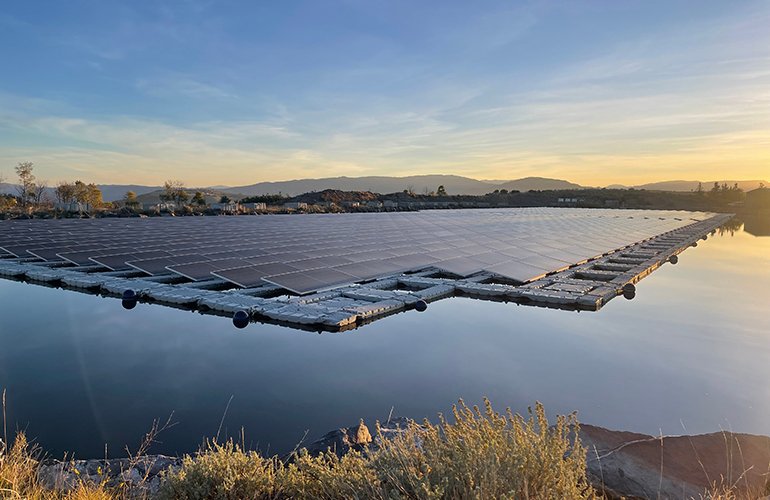
Here’s where it gets interesting. Solar farms paired with PSPs could bid for round-the-clock (RTC) power contracts. Imagine guaranteeing Delhi’s midnight electricity using midday sunlight! Companies like ReNew and Adani Green are already eyeing such combos. The economics work because PSPs have lower long-term costs than lithium-ion batteries – about ₹4-5/kWh versus ₹6-8/kWh.
Potential Roadblocks
Land acquisition near existing reservoirs could spark local resistance. Environmental clearances for flooding valleys? That’s another hurdle. But MP’s geography helps – the Vindhya ranges offer perfect elevation drops for PSPs. Remember the Sardar Sarovar project? Similar terrain advantages here.
How This Compares Nationally
While Rajasthan bets on solar-wind hybrids, MP is going all-in on storage. Karnataka tried this with a 1,000 MW tender last year but saw lukewarm response. This time, expect serious players – Torrent Power, JSW Energy, maybe even international firms like Norway’s Statkraft. The tariff ceiling (likely around ₹4.50/unit) makes returns attractive.
The Policy Push
MNRE’s draft PSP policy promises viability gap funding, but states are moving faster. MP’s tender cleverly bundles storage with existing hydro infrastructure. It’s smart: retrofit old dams with reversible turbines instead of building from scratch. Think of it as giving grandma’s Ambassador car an electric makeover.
Bottom Line for Developers
If you’re bidding, focus on three things: 1) Site selection near existing reservoirs cuts costs, 2) Tie-ups with solar/wind generators boost project viability, and 3) Don’t underestimate the civil engineering – these aren’t quick rooftop solar installs. The payoff? A 25-year revenue stream with inflation-linked tariffs.
When Storage Becomes the Star
Solar panels hog the spotlight, but PSPs do the heavy lifting. This tender proves storage is graduating from backup dancer to lead vocalist. With over 50 GW of PSPs planned nationally, MP’s move could inspire similar tenders from Uttar Pradesh to Tamil Nadu. Now, who’s ready to dive into these water batteries?