True Power Launches 1 GW Solar Plant in Barabanki Accelerating UP’s Renewable Goals
Uttar Pradesh is making waves in India’s solar energy sector. True Power Limited just unveiled a ₹100 crore solar panel manufacturing plant in Barabanki, promising to generate 1 gigawatt of clean energy annually. This strategic move supports PM Modi’s ‘Viksit Bharat’ vision while tackling energy access and employment challenges.
Why Barabanki? The Strategic Location Advantage
Barabanki offers ideal conditions for solar innovation with ample land, robust grid connectivity, and proximity to major UP industrial hubs. The facility is expected to create over 1,200 direct jobs—a significant boost for local employment. Projects like this demonstrate how industrial rooftop solar sustainability can transform regional economies.
From Silicon to Kilowatts: Plant Technology Overview
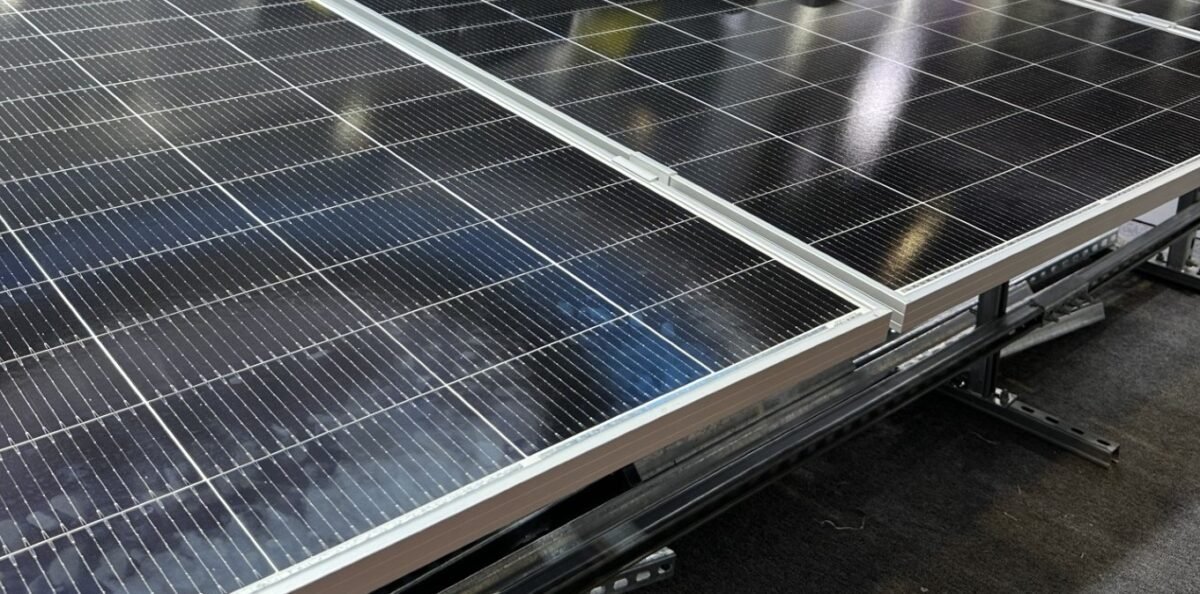
While technical details remain undisclosed, industry experts suggest the plant utilizes monocrystalline PV modules (those sleek black panels) with Tier-1 manufacturing standards. The facility could potentially incorporate innovations like Jinko Tiger Neo III bifacial technology to maximize energy output.
Addressing Solar Cost Concerns
Critics often cite high upfront solar costs, but this project demonstrates how scale changes the equation. At 1 GW capacity, True Power achieves economies of scale that significantly reduce per-unit costs. Combined with UP’s solar incentives, this development brings India’s solar manufacturing boom closer to widespread grid parity.
Beyond Direct Employment: Ripple Effects
The project’s impact extends beyond its 1,200 direct jobs, creating opportunities for logistics teams, maintenance crews, and training centers. This mirrors the ancillary benefits seen in other major renewable projects across India.
Technical Challenges and Solutions
Northern India’s foggy winters can reduce solar output by 15-20%, but modern bifacial panels mitigate this issue. The plant’s technology choices could set new benchmarks for projects across the Indo-Gangetic plains.
Contributing to India’s 500 GW Renewable Target
While this 1 GW plant represents just 0.2% of India’s 2030 renewable goal, it’s part of a growing network including Adani’s Gujarat factories and Tata’s Rajasthan farms. Each renewable energy investment brings the nation closer to its ambitious targets.