Meta Commits to 385 MW Solar Pact for Louisiana AI Operations
When Meta says it’s going green, it’s not just a marketing stunt. The tech giant has locked in a massive 385 MWAC solar deal with Treaty Oak Clean Energy in Louisiana’s Morehouse and Sabine Parishes. We’re talking real electrons powering AI data centers—not just carbon credits. But how does this fit into the bigger picture of renewable adoption? Let’s unpack the wires and watts.
Why Louisiana, and Why Now?
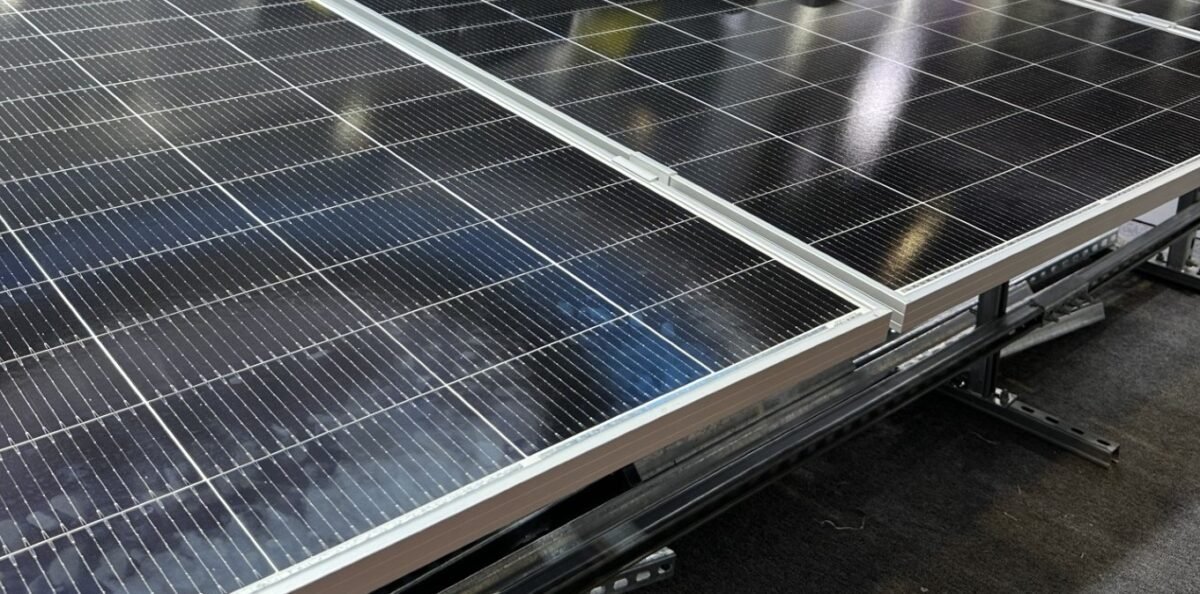
Louisiana isn’t Wyoming sunny, but it’s got something better: hungry utilities and industrial zones. The two solar farms will feed grids near Meta’s data centers, thanks to Entergy’s evolving net metering policies. Remember when critics said humidity kills panel efficiency? Modern bifacial modules laugh at 80% relative humidity while still hitting 95% PTC ratings.
The AI Energy Crunch Nobody’s Talking About
Each GPT-5 query slurps enough juice to light a bulb for minutes. Multiply that by billions, and suddenly 385 MW seems modest. Meta’s VP of Energy famously said, ‘AI without renewables is like a sports car with a coal engine.’ These projects could offset up to 40% of their Louisiana compute load—if battery swaps sync with peak training sessions.
Inside the PPA Fine Print
Unlike vanilla corporate PPAs, Meta’s deal grabs environmental attributes (RECs) but leaves physical power with local grids. It’s a win-win: utilities get dispatch flexibility while Meta ticks ESG boxes. The 12-year term raises eyebrows—short for solar, eons in tech. Maybe they know something about perovskite tandem panels we don’t?
Sabine Parish’s Hidden Advantage
That swampy land hides a grid secret: 230kV transmission lines from retired gas plants. Treaty Oak’s engineers can plug in without begging for new infrastructure. Smart siting cuts interconnection queues from years to months. Meanwhile, Morehouse crews are already testing NEXTracker’s self-powered tracking system—no diesel generators needed.
The Reliability Paradox
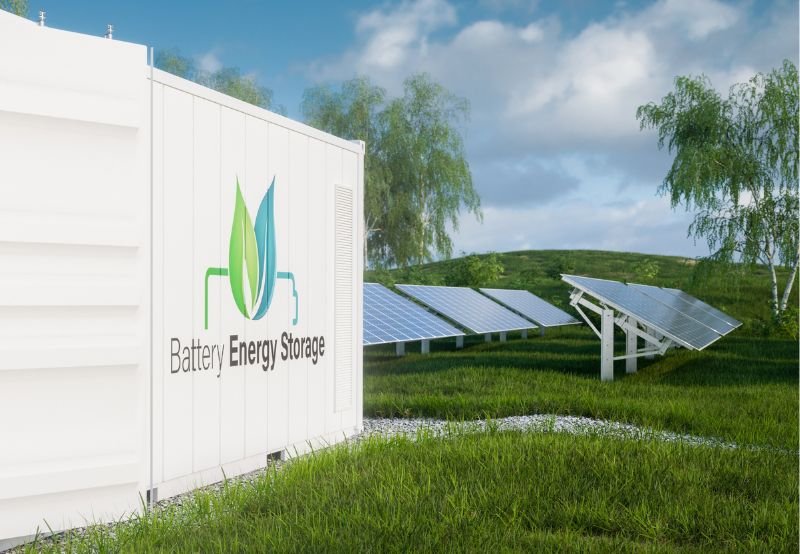
Solar seems unpredictable for 24/7 data centers… until you see the numbers. These plants will sync with Tesla Megapacks storing midday surpluses for night-time inference workloads. Grid operators initially balked at ‘non-dispatchable’ inputs until Meta showed their load-shaving algorithms. Now they’re begging for more behind-the-meter solutions.
This reminds me of California’s 2020 rollout hiccups—sometimes the problem isn’t generation, but billing systems stuck in 1998. Louisiana’s energy regulators finally updated their REC tracking software last quarter, just in time.
What This Means for EPCs
Contractors eyeing this space should dust off their Fronius inverter certs. Meta insists on European-style ‘green steel’ racking, and Treaty Oak’s RFP mandates anti-soiling coatings for the region’s infamous pine pollen. The real kicker? They want dual-port solar modules—because apparently even panels need backup connections now.
So yes, 385 MW sounds impressive. But watch where those electrons actually flow. Between ERCOT’s chaos and MISO’s lumbering approvals, Louisiana might just become the dark horse of solar—assuming the crawfish don’t unionize against construction crews first.