MIT-WPU Innovates Solar Panel Recycling for Green Construction
India’s solar energy boom has created an unexpected challenge—what to do with old solar panels. Researchers at MIT World Peace University (MIT-WPU) have cracked the code with a breakthrough recycling method that turns photovoltaic waste into eco-friendly building materials. This innovation could reshape two industries at once, making it a significant development in the field of sustainable solar energy.
The Solar Waste Problem Nobody Saw Coming
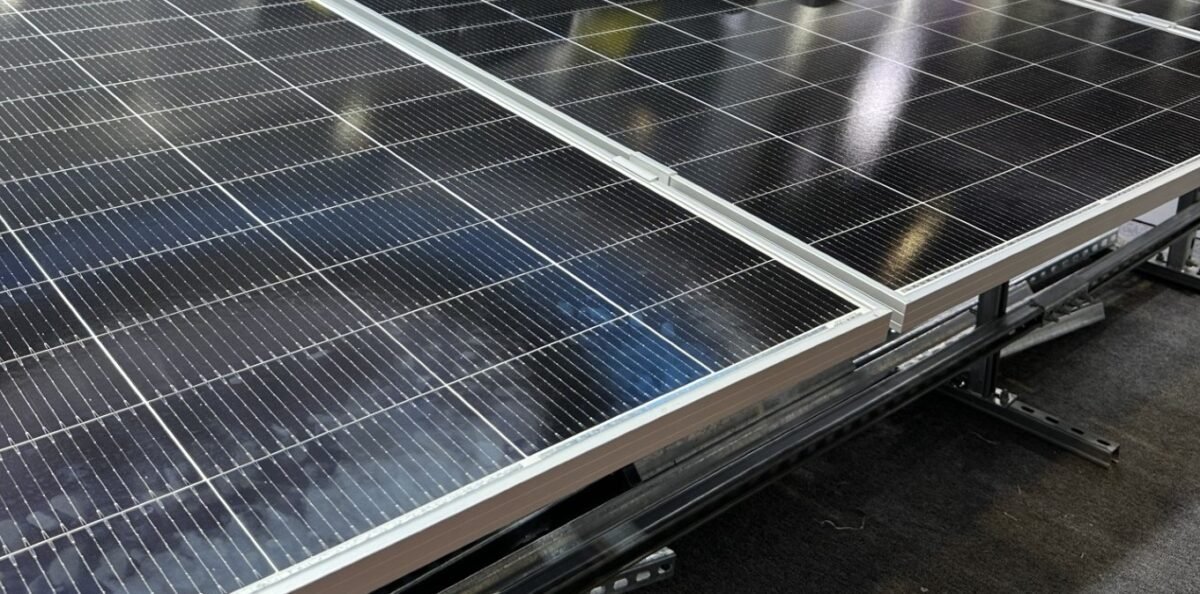
Solar panels last 25-30 years, but India installed its first major projects in the early 2000s. Now, decommissioned panels are piling up faster than chai at a Mumbai construction site. Most contain silicon, glass, and toxic metals like lead that shouldn’t end up in landfills. MIT-WPU’s team realized we’re looking at this all wrong—it’s not waste, it’s raw material waiting to be reborn. This problem is particularly pressing in countries with large solar installations, such as Australia.
How the Magic Happens
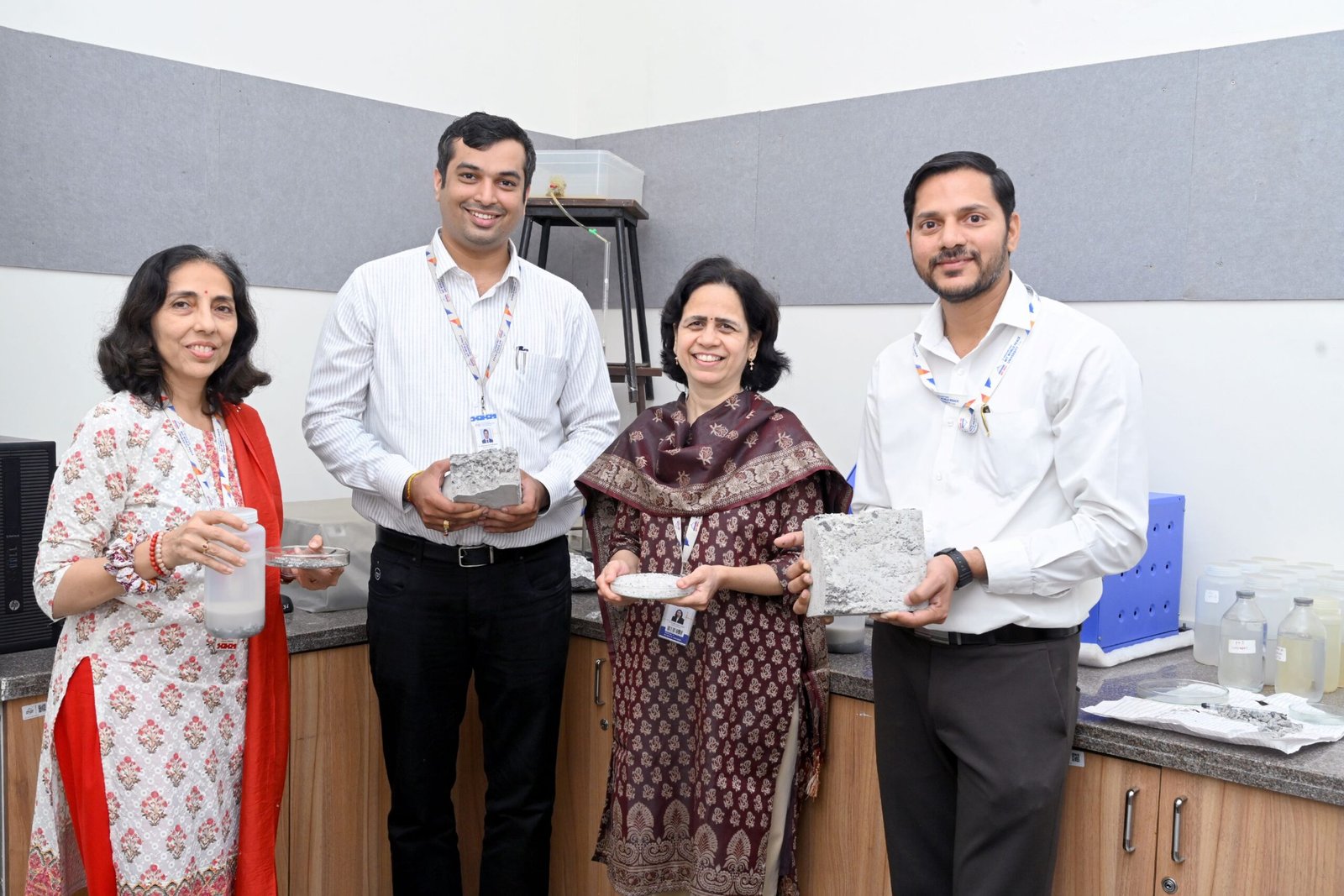
Their patented process dismantles panels like a surgeon operating: First, robotic arms separate aluminum frames from glass layers. Next, a chemical bath dissolves adhesives without damaging the precious silicon inside. The real innovation? They’ve tuned the chemistry to work with India’s humid climate—no energy-guzzling climate control needed. “We wanted something a small-town recycler could run,” explains Dr. Rajesh Patil, who led the research. This breakthrough could lead to more efficient solar energy storage solutions.
From Solar Farms to Smart Buildings
The recycled materials get a second life as:
- Solar-embedded bricks: Glass fragments mixed with polymers create translucent blocks that diffuse sunlight, reducing indoor lighting needs by 40% in trials.
- Thermal insulation panels: Processed silicon waste reflects heat better than conventional foams, keeping buildings cooler without AC overuse.
- Road construction aggregates: Crushed panel bases mixed with asphalt improve durability—a trick already proven by German autobahns.
It’s economically viable too. Construction firms save 15-20% on material costs compared to imported alternatives. That’s why major players like Tata Projects are already in talks for licensing. This could be a game-changer for the