Rajasthan Mandates 5% Energy Storage for Renewable Projects Over 5MW
The Rajasthan Electricity Regulatory Commission (RERC) has introduced a groundbreaking policy requiring energy storage systems (ESS) for all new renewable projects exceeding 5 MW capacity. Developers must install ESS with at least 5% of project capacity and minimum 2-hour storage duration, marking a significant shift in India’s renewable energy landscape.
Importance of Rajasthan’s Storage Mandate
This regulation addresses Rajasthan’s chronic solar curtailment issues while ensuring grid stability as renewables dominate the state’s energy mix. The policy aligns with global trends toward solar-storage hybrids for reliable power supply and reduced energy waste.
Understanding the 5% Capacity Rule
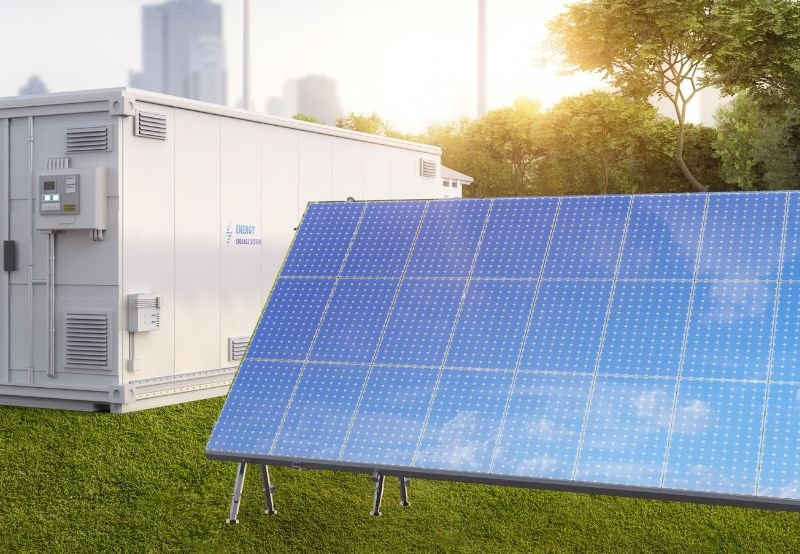
The 5% rule means a 100 MW solar farm requires 5 MW of batteries – sufficient to power 1,000 homes for 2 hours. This storage buffer helps balance evening demand spikes when solar generation dips.
Cost and Investment Considerations
While ESS adds 15-20% to initial project costs, Rajasthan’s high solar insolation enables faster payback (4-5 years). The state’s flexible grid policies also make storage investments more attractive compared to other regions.
Sector-Wide Impact
- EPC contractors face higher Balance of System costs but gain new revenue opportunities
- Creates demand for storage integration expertise
- Potential to influence national renewable trends
Future of Energy Transition
This policy underscores solar-storage as crucial for India’s clean energy future. By addressing intermittency challenges, Rajasthan positions itself as a leader in sustainable energy solutions while setting benchmarks for other states to follow.