Maharashtra Accelerates Renewable Energy Goals with 30 GW Target by 2029
Maharashtra is pioneering India’s clean energy transition through a balanced approach – leveraging thermal power for grid stability while aggressively expanding its renewable energy capacity to reach 30 GW before 2030. This dual strategy addresses current electricity demands while progressing toward national decarbonization objectives.
Strategic Thermal Power Utilization
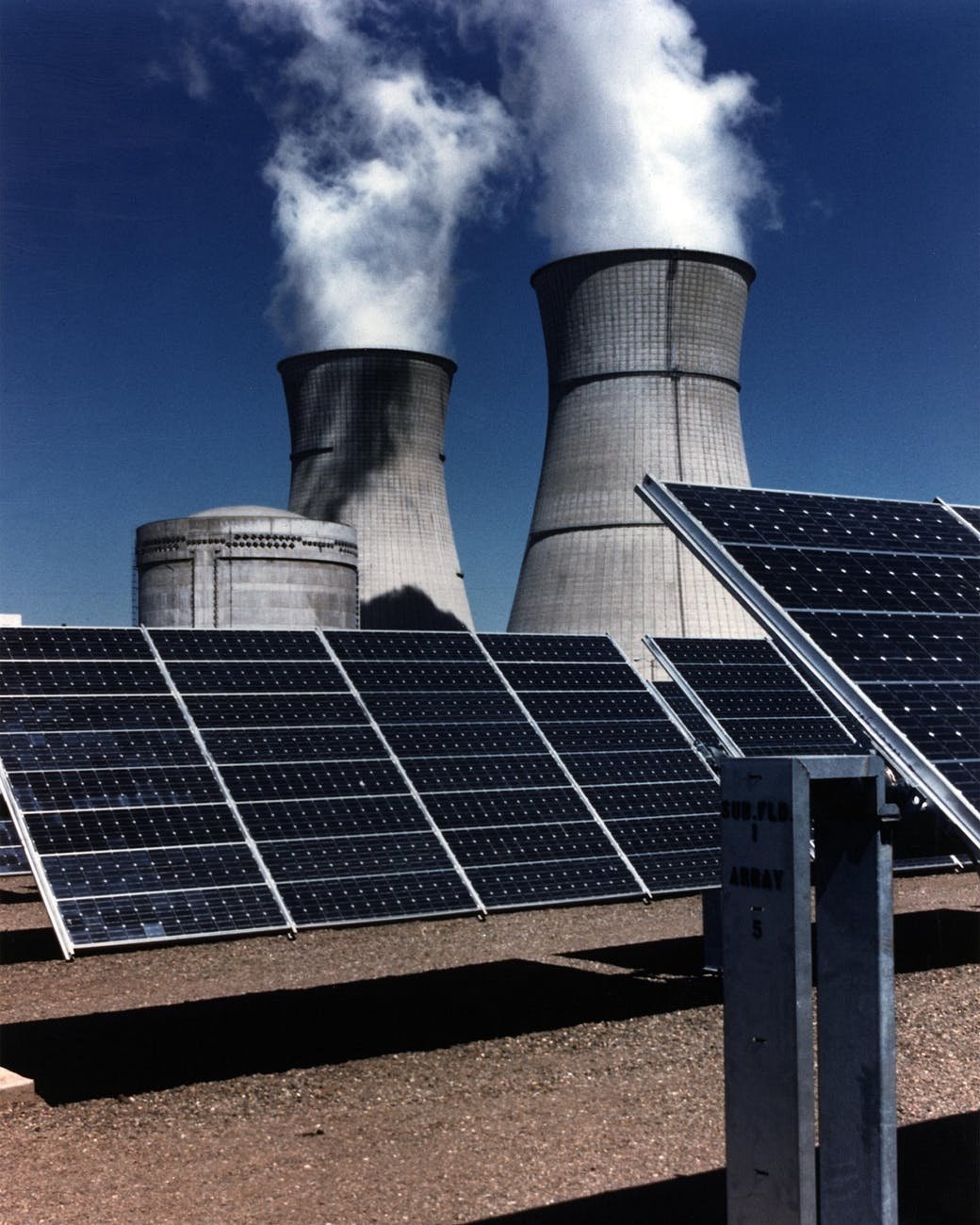
With peak demand exceeding 28,000 MW, Maharashtra’s coal plants serve as crucial baseload support during solar intermittency. This transitional measure enables scaling of large-scale solar projects until advanced storage solutions achieve commercial viability.
Innovative Solar Applications
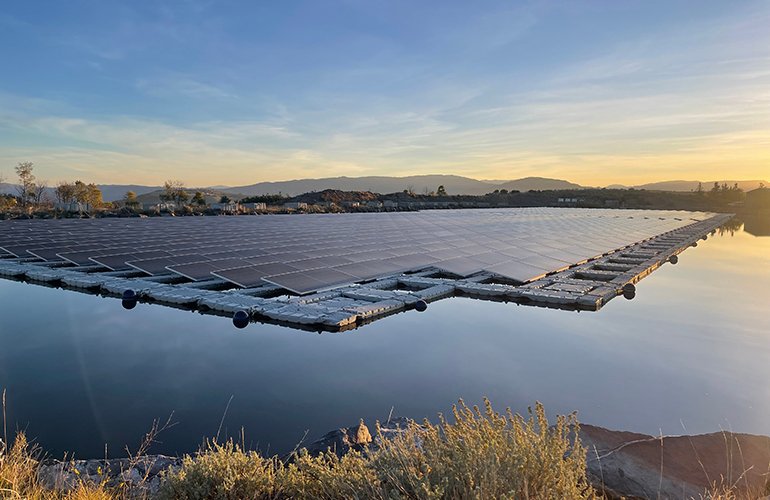
- Developing 500 MW floating solar arrays on irrigation reservoirs
- Implementing distributed solar farms to complement utility-scale installations
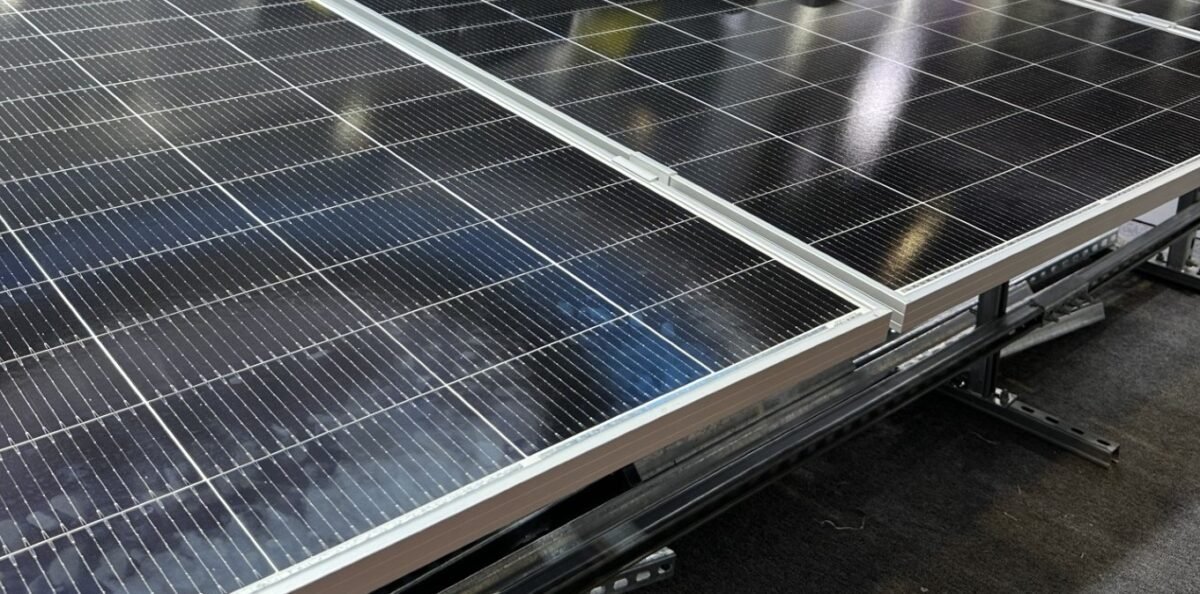
- Deploying advanced solar panel technology to maximize generation efficiency
Policy Reforms Driving Solar Adoption
New net metering regulations streamline processes for commercial users, while draft rules for battery storage integration address renewable intermittency challenges. The state leads in piloting hybrid solar-storage projects to optimize grid performance.
Critical Infrastructure Requirements
Key development areas include:
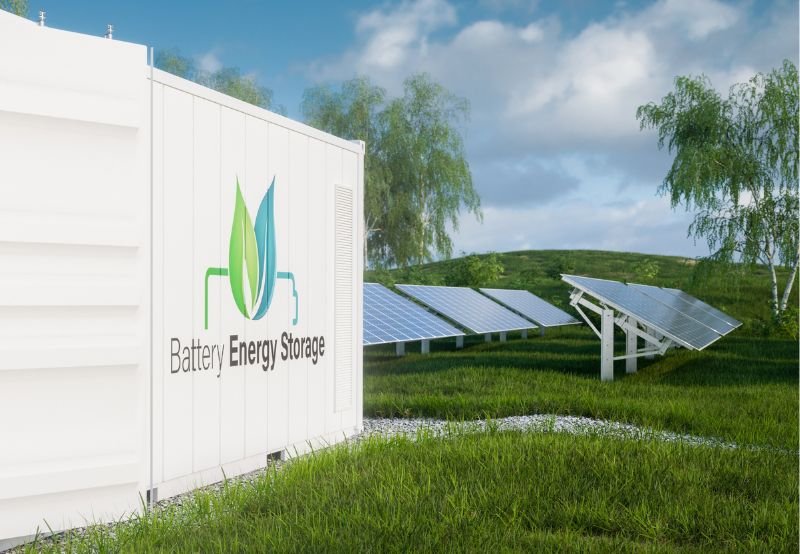
- 2 GWh energy storage capacity for grid stabilization
- Upgrading delayed substation infrastructure
- Resolving land acquisition complexities for solar parks
Through its innovative thermal-renewable synergy, Maharashtra demonstrates India’s roadmap for balancing energy security with climate commitments. The 30 GW target cements its position in India’s solar revolution while ensuring reliable power for industrial and residential users.