India’s 2025 Monsoon Sparks Solar Irradiance Fluctuations
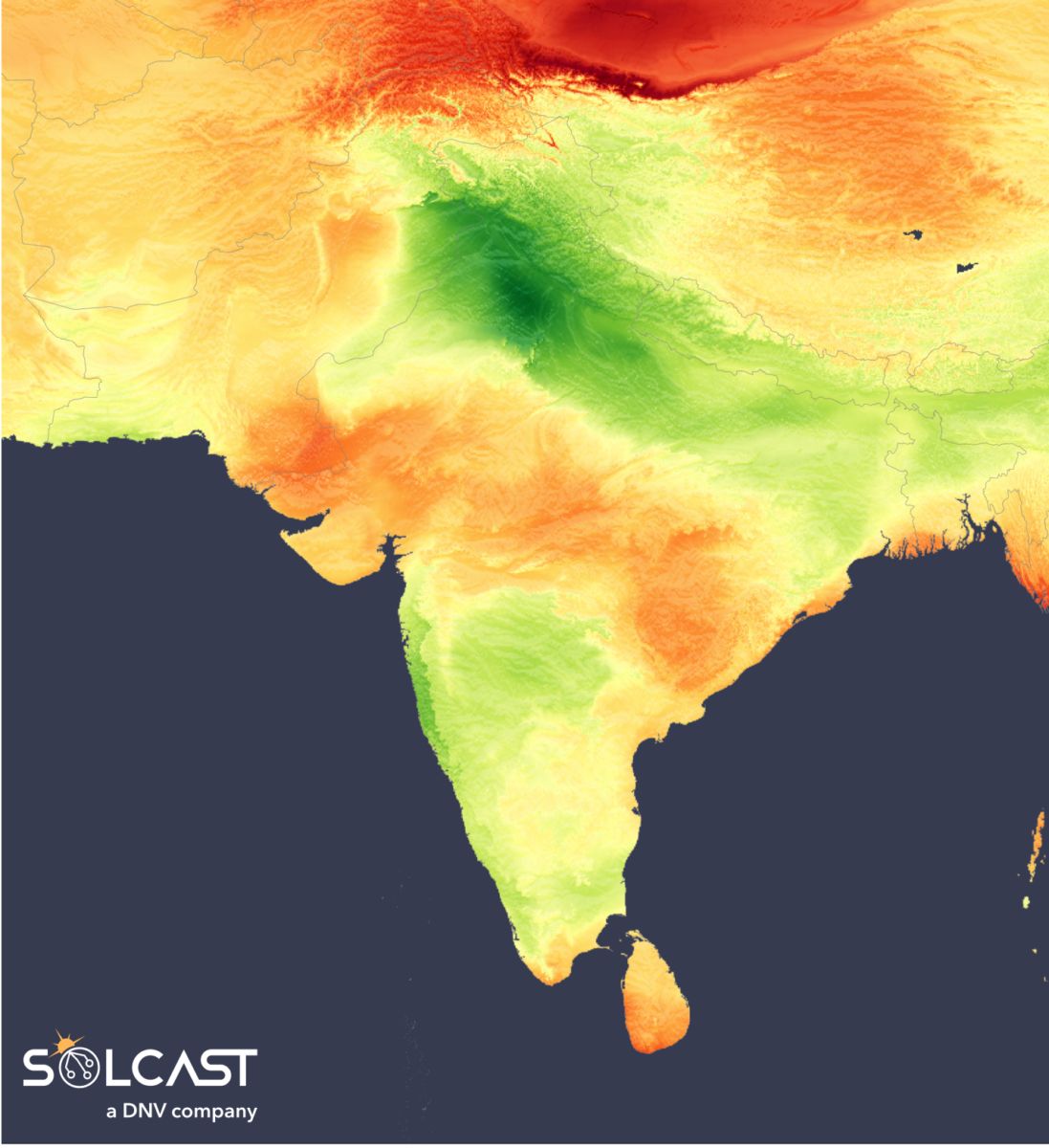
India’s 2025 southwest monsoon arrived early, creating dramatic solar yield variations across regions. Northern states saw 30% irradiance drops while central areas gained unexpected solar efficiency boosts. This weather pattern highlights the growing importance of advanced forecasting for renewable asset managers.
Atmospheric Drivers Behind Early Monsoon
A powerful Mascarene High in the southern Indian Ocean combined with intensified Somali Jet currents to accelerate monsoon onset. These systems transported unseasonal moisture northward, triggering thunderstorms that reshaped August’s solar generation landscape.
Regional Solar Yield Divergence
Punjab and Haryana suffered significant power losses equivalent to 1.5 daily sunlight hours. Meanwhile, Maharashtra’s facilities benefited from 15% above-average irradiance, demonstrating the value of diversified project locations in India’s renewable portfolio.
Monsoon’s Financial Impact on Solar Farms
- 100MW Uttar Pradesh plant: 45,000 MWh August deficit
- Equivalent Madhya Pradesh facility: 22,500 MWh surplus
- 15% yield variations alter annual revenue projections
Cloud Cover’s Grid Management Challenge
Persistent non-rainy clouds suppressed Assam’s generation by 12%, emphasizing the need for grid-scale storage solutions to maintain stability during weather fluctuations.
Monsoon Infrastructure Risks
Himachal’s flooded inverter pads and Uttarakhand’s landslide-damaged combiner boxes underscore the necessity of reinforced solar farm designs in vulnerable regions.
Forecasting Becomes Operational Essential
High-resolution AI models proved invaluable, allowing operators to adjust grid integration strategies in real-time as irradiance patterns shifted unexpectedly during peak monsoon activity.
Opportunities in Central India
EPC teams addressing monsoon damage noted Chhattisgarh’s generation surplus, potentially reshaping project economics for upcoming bids in this emerging solar market.