Rhode Island Solar Project Cuts Costs for Public Housing
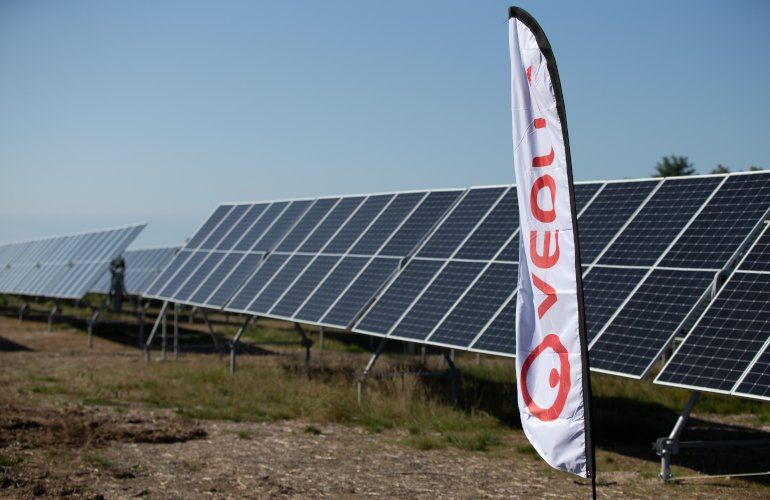
Ever wondered how solar power can directly benefit communities? The newly completed 6.5-MW Exeter Mail solar installation in Rhode Island, a collaboration between Veolia and Nautilus Solar Energy, is doing just that. This project is part of a trio of solar farms feeding clean energy into the state’s grid while slashing utility bills for regional housing authorities. Let’s break down why this matters—and how it works.
A Win-Win for Public Housing and Clean Energy
Here’s the scoop: the Exeter Mail project generates enough electricity to power hundreds of homes, but instead of sending profits to shareholders, it funnels savings straight to public housing residents. How? Through net metering credits. These credits reduce operating costs for housing authorities, which translates to lower energy bills for tenants. Think of it as a ripple effect—clean energy easing financial strain.
How Net Metering Makes It Possible
Net metering isn’t just jargon—it’s the secret sauce. When solar panels produce excess energy, it flows back to the grid, and utilities compensate the producer (in this case, the housing authorities). Rhode Island’s policies make this especially impactful, turning sunlight into tangible savings. Skeptics might argue solar is expensive upfront, but with incentives like the Federal ITC and state rebates, payback periods shrink to just a few years.
Behind the Scenes: Technology and Partners
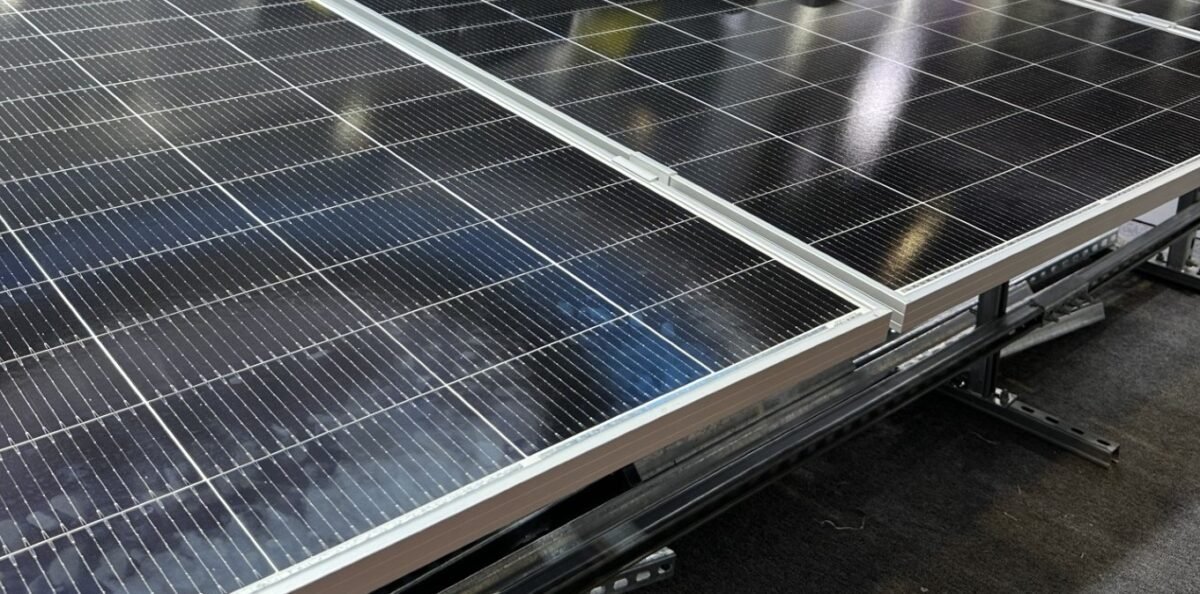
The Exeter Mail site uses standard solar panels (or PV modules, if you’re into technical terms) paired with durable inverters from brands like Fronius. These components are built to last, even in Rhode Island’s snowy winters. ‘But what about winter?’ you ask. Snow melts faster on dark panels than rooftops, and production rebounds quickly. This isn’t theory—it’s proven in similar climates like Massachusetts’ solar projects.
Why This Model Could Scale
Rhode Island’s approach isn’t revolutionary, but it’s replicable. By tying solar investments to public housing, they’ve created a blueprint other states could follow. Imagine this: California’s 2020 low-income solar program saw a 200% adoption surge. The lesson? Pairing renewable energy with social good drives results.
The Bigger Picture
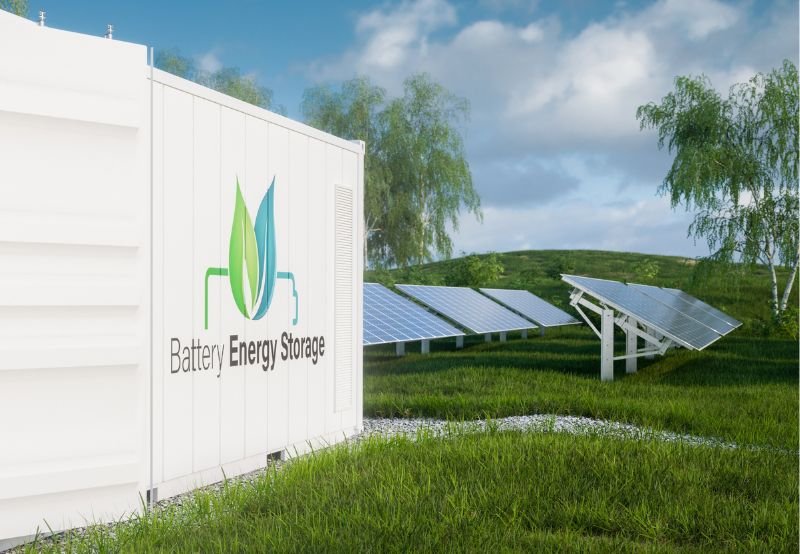
Projects like Exeter Mail aren’t just about kilowatt-hours—they’re about grid parity (when solar costs match conventional power) and community resilience. As battery storage prices drop (thanks, Tesla Powerwall), the next phase could see housing authorities storing daylight for nighttime use. That’s not sci-fi; it’s 2025.
So, what’s the takeaway? Solar isn’t just for tech giants or suburban rooftops. Done right, it’s a tool for equity—one panel at a time.