IB Solar to Build 4 GW TOPCon Factory in Uttar Pradesh by 2027
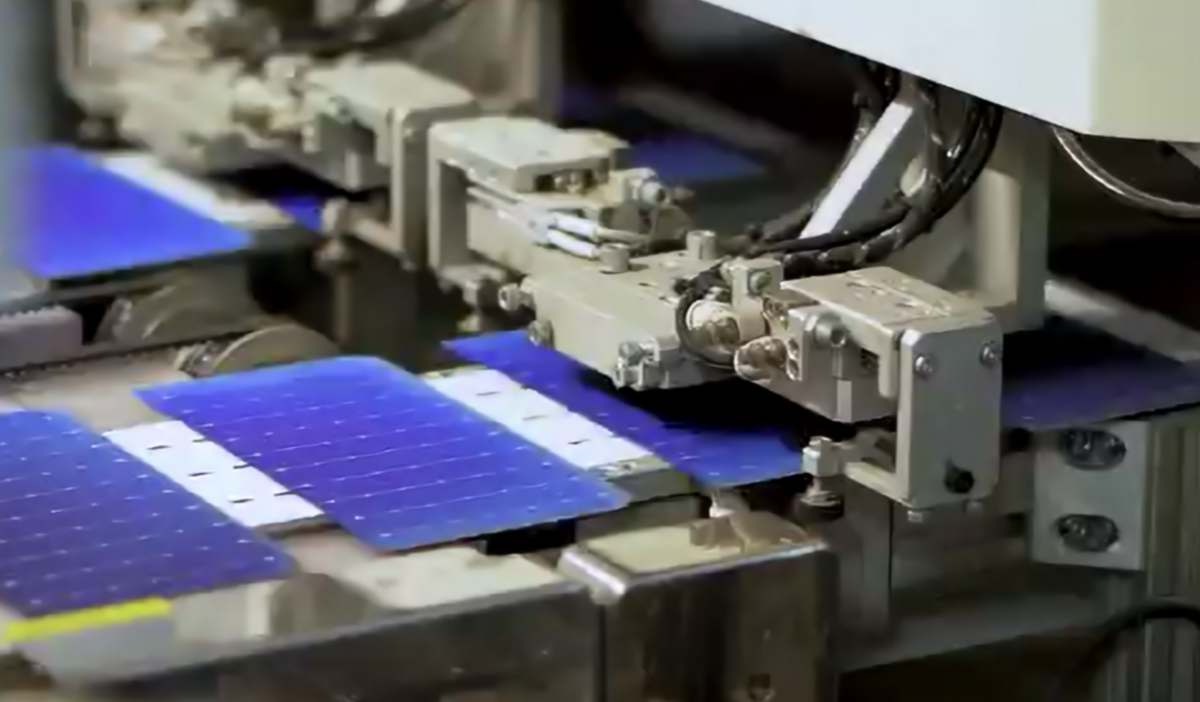
IB Solar is set to revolutionize India’s solar sector with its plans to establish a massive 4 GW TOPCon cell and module manufacturing facility in Uttar Pradesh. This project, backed by an investment of INR 30 billion ($340.2 million), is poised to become a cornerstone of India’s renewable energy push.
The Technology Behind TOPCon Solar Efficiency
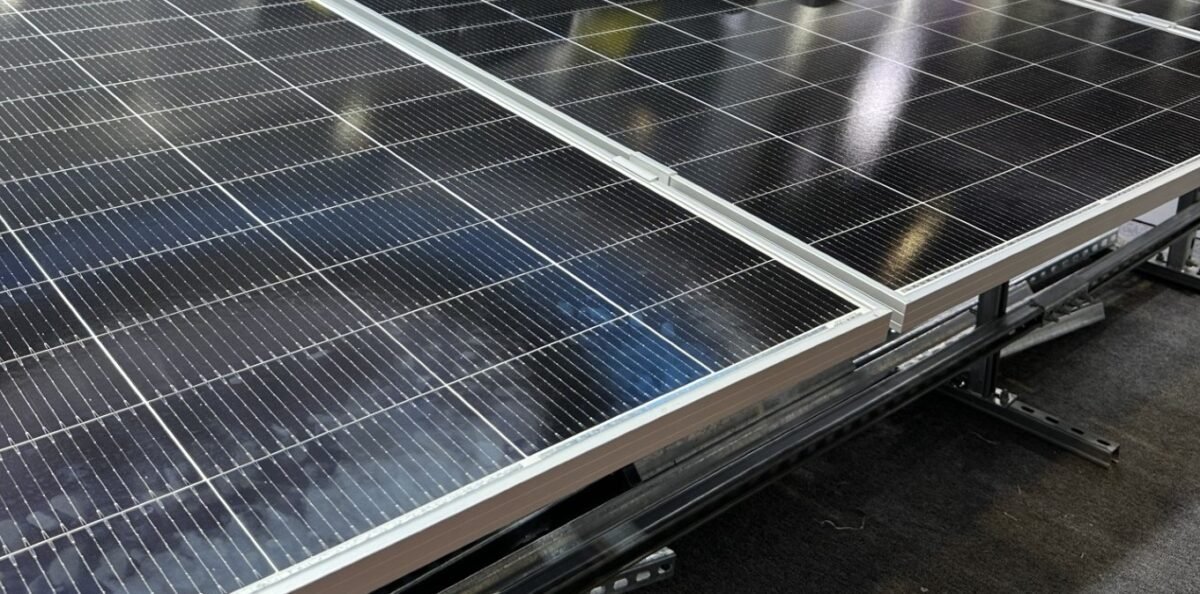
Tunnel Oxide Passivated Contact (TOPCon) isn’t just a buzzword; it’s a game-changer in solar efficiency. Offering higher energy yields compared to traditional PERC cells, TOPCon technology pushes efficiency to 24-25%, significantly outperforming the 22-23% of PERC modules. This extra 1-2% may seem minor but translates to substantial energy gains on a 4 GW scale.
Imagine this: A single percentage point in efficiency can power thousands of extra homes annually. For a country like India, where land acquisition is a challenge, squeezing more power from every square meter isn’t just smart—it’s essential.
The Uttar Pradesh Advantage
Uttar Pradesh isn’t just any location. With the upcoming Noida International Airport and YEIDA’s infrastructure push, the state is becoming a hub for industrial growth. IB Solar’s 25-acre plot in Sector 8 sits in a strategic corridor, ensuring easy logistics for raw materials and finished modules.
But here’s the kicker: UP’s solar policies are among the most aggressive in India. The state offers subsidies for manufacturers and has a growing demand for rooftop solar. It’s a win-win—IB Solar gets incentives, and UP gets jobs plus cleaner energy.
The Competition
You might wonder how IB Solar stacks up against giants like Adani or Tata. While those players dominate utility-scale projects, IB Solar’s focus on TOPCon gives it an edge in the premium residential and commercial segments. Think Tesla Powerwall integrations or Fronius inverter compatibility—this isn’t just bulk production; it’s high-performance tech.
Timeline and Challenges
Commissioning a 4 GW facility in three years sounds ambitious. But IB Solar isn’t starting from scratch—they already make solar panels and LFP batteries. Their supply chain partnerships (think Waaree for glass or ENF Solar-listed suppliers) could accelerate the rollout.
Still, challenges loom. Global supply chains for TOPCon equipment are tight, and India’s import duties on solar gear might hike costs. If IB Solar navigates this well, they could rewrite India’s solar manufacturing playbook.
Conclusion
Solar’s future isn’t about who makes the most panels—it’s about who makes them smarter. With TOPCon, IB Solar is betting on efficiency meeting scale. If they pull this off, Uttar Pradesh could become India’s answer to China’s solar dominance. Now, that’s something to watch.