New Solar Legislation Aims to Simplify Rooftop Solar Permitting
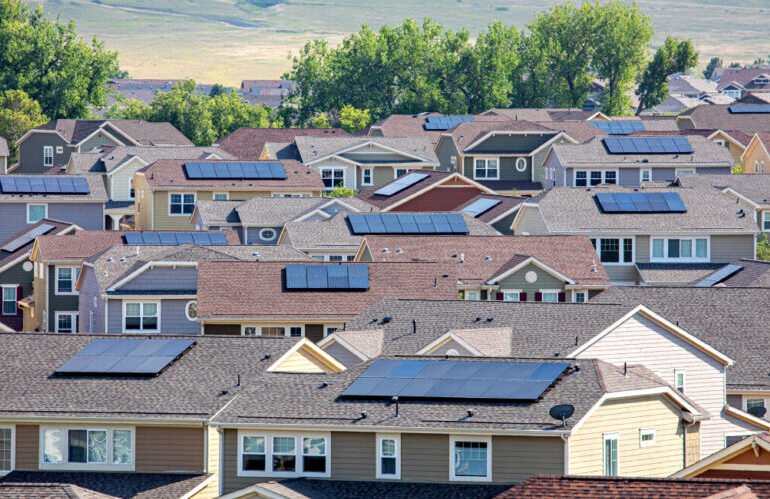
The Solar and Storage Industries Institute (SI2) and the Solar Energy Industries Association (SEIA) have unveiled a groundbreaking piece of draft legislation—the Grid Ready Home Act. This isn’t just another policy document; it’s a research-backed roadmap for states to cut red tape and accelerate solar adoption. Think of it as a cheat sheet for lawmakers who want to make rooftop solar a no-brainer for homeowners.
Why This Legislation Matters Now
Electricity demand is climbing faster than a utility bill in July, and outdated permitting processes are holding solar back. The Grid Ready Home Act tackles two major pain points: interconnection delays and permit bottlenecks. It’s like swapping a dial-up modem for fiber optic—suddenly, everything moves faster.
The Nuts and Bolts: What’s Inside?
The proposal standardizes forms across jurisdictions (goodbye, paperwork chaos) and sets clear timelines for approvals. Ever waited six months for a permit? Those days could be numbered. It also nudges states toward automated systems—picture uploading your solar panel specs and getting a green light in 48 hours.
But Will It Actually Work?
Skeptics might say policy can’t fix everything. Yet look at Massachusetts: after streamlining permits, residential solar installations jumped 30% in one year. This legislation packages those hard-won lessons into an off-the-shelf solution.
The Battery Bonus
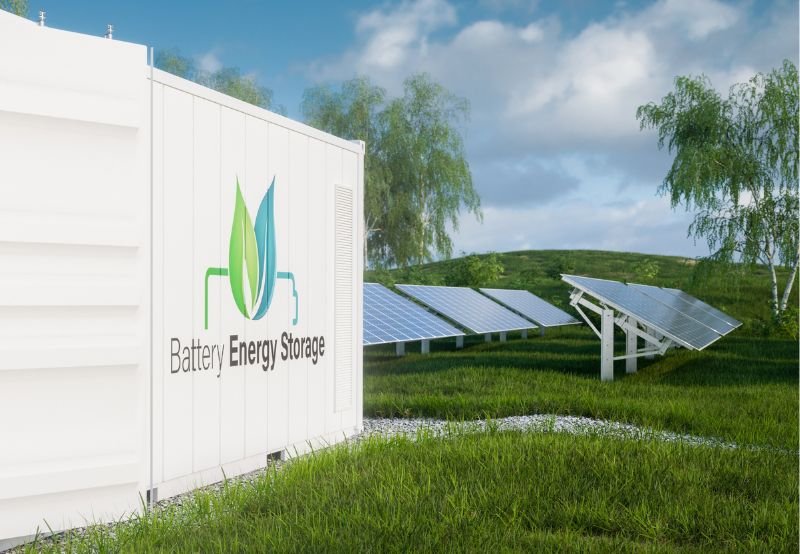
Here’s the kicker—the Act considers storage from the start. Pairing solar panels with batteries like the Tesla Powerwall isn’t just smart; it’s becoming expected. The draft makes sure local codes won’t treat home batteries like alien technology.
What’s Next for States?
Early adopters could see solar become as routine as getting a building permit for a patio. For installers, it means less time wrestling with paperwork and more time actually installing panels. And for homeowners? Faster access to savings that used to take years to materialize.
This isn’t just policy—it’s the missing link between solar’s potential and everyday reality. The ball’s now in state legislators’ courts to run with it.