Oil India and Rajasthan DISCOM Partner for Renewable Energy Push
In a major green energy initiative, Oil India Limited has forged a 50:50 joint venture with Rajasthan Rajya Vidyut Utpadan Nigam to develop renewable projects. This strategic partnership targets Rajasthan’s abundant solar resources, positioning the state as India’s next renewables hub.
Rajasthan: India’s Premier Solar Destination
With 325 sunny days annually, Rajasthan leads India’s solar revolution. The state’s existing infrastructure, including the 2,255 MW Bhadla Solar Park, makes it ideal for the JV’s gigawatt-scale ambitions. Transmission charge waivers and Rajasthan’s vast land availability give this partnership unique advantages over projects in other states.
Breaking Grid Parity Barriers
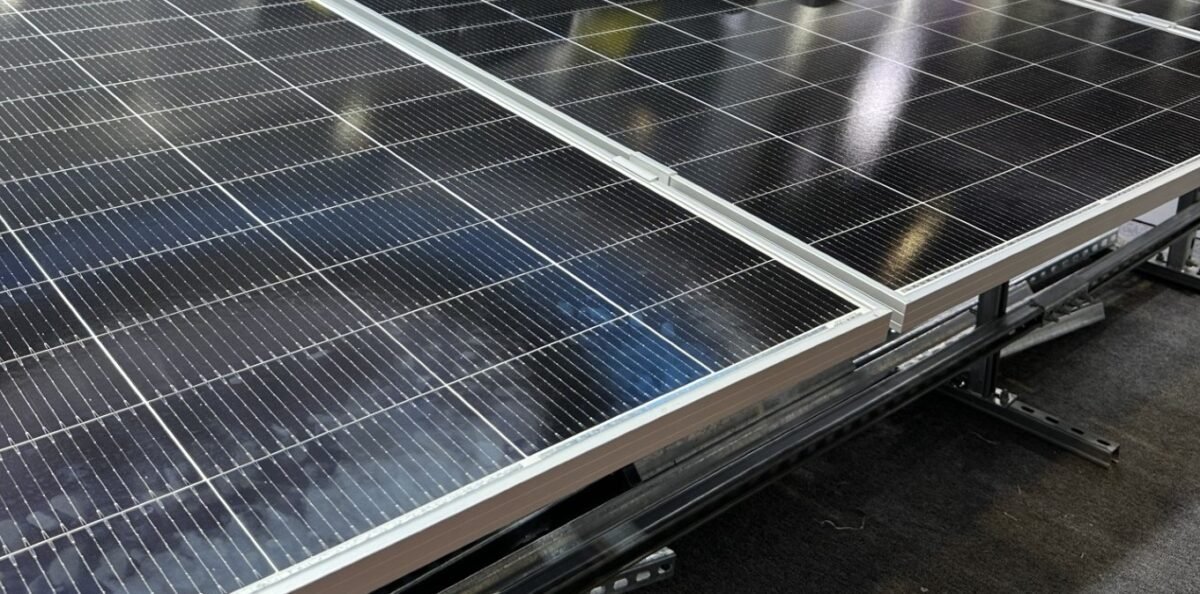
Solar tariffs here have plummeted to ₹2.48/kWh – now cheaper than coal. The JV will leverage cutting-edge bifacial panels and technologies like TOPCon solar advancements to maintain profitability despite these ultra-low rates.
Oil India’s Strategic Renewable Shift
While late to renewables, Oil India brings valuable fossil fuel expertise that translates well to large-scale solar projects. Their drilling capabilities could enable future geothermal ventures, while existing pipeline corridors may house underground DC cables – an advantage pure-play renewable firms lack.
Employment Versus Automation
Each 100 MW solar installation creates about 300 temporary jobs but only 3-5 permanent roles. The JV must navigate political employment promises against the industry’s automation trend, spotlighted by robotic cleaning systems at Gujarat’s Dholera park.
Addressing Rajasthan’s Energy Challenges
The state’s DISCOMs carry ₹1.2 lakh crore debt – among India’s highest. While solar PPAs help, intermittent generation strains antiquated grids. The JV might follow proven models like SECI’s agrivoltaic systems that combine farming with solar, benefiting both energy production and local agriculture.
This partnership represents a crucial test for traditional energy firms transitioning to renewables. Success could create a blueprint for similar collaborations across India’s evolving energy landscape.