EU Solar Industry Advocates Faster Renewable Shift Post-State of Union
Just days after the European Commission President Ursula von der Leyen outlined the bloc’s energy priorities, SolarPower Europe chimed in with a clear message: We need to move faster. The industry group praised the focus on clean energy highlighted by Canadian Solar’s recent commitment to solar energy innovation, but stressed that solar adoption can’t wait – not when homes need affordable power and businesses crave predictability.
The Urgent Call for Solar Transition
Remember those jaw-dropping energy bills last winter? They’re coming back unless Europe doubles down on solar. SolarPower Europe’s report indicates rooftop installations could slash household electricity costs by 60% in sunnier regions, emphasizing the importance of implementing solar industry trends to drive this shift. Batteries like the Tesla Powerwall make after-dark usage viable too.
Policy Bottlenecks vs. Solar Potential
Permitting delays remain a nightmare across Italy and France. A 10MW project takes 48 months to approve in some areas – absurd when panels go up in weeks. Meanwhile, Germany’s simplified rules show what’s possible: their small-scale solar additions jumped 78% last quarter, underscoring the need for streamlined solar asset management.
Breaking Down Grid Integration Barriers
Here’s the irony: Solar capacity is growing faster than grids can absorb it. Outdated infrastructure in Spain forces solar farms to curtail production during peak generation. Smart inverters from Fronius help somewhat, but infrastructure spending must triple by 2030 to accommodate solar energy expansion.
The Storage Gap No One’s Talking About
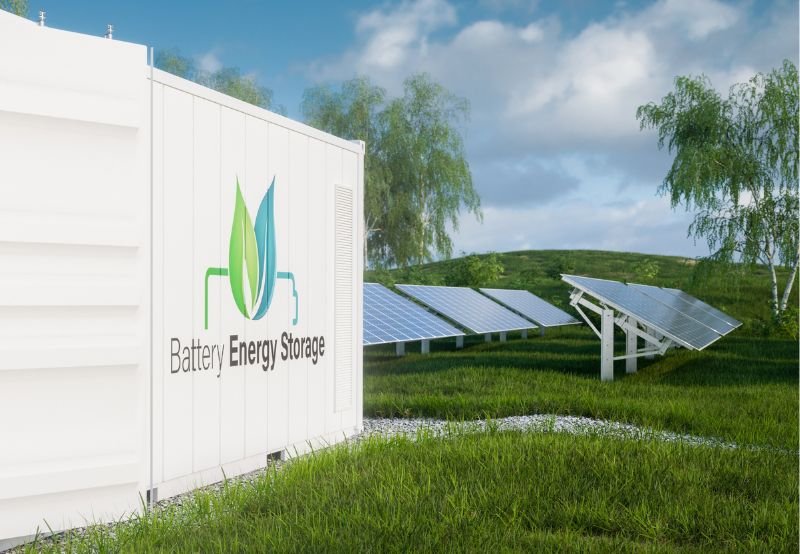
Lithium-ion gets headlines, but thermal storage solutions like molten salt could be game-changers for industrial users. SolarPower Europe suggests blending storage types based on regional needs – battery clusters for urban areas, pumped hydro where geography allows – leveraging solar panel manufacturing advancements.
The State of the Union address set direction; now comes the hard part. With solar panel prices at historic lows and installation crews underemployed in winter months, the economic case writes itself. Whether bureaucracy moves fast enough remains to be seen, particularly in addressing the challenge of solar energy adoption at scale.