Nextracker Acquires Origami Solar to Revolutionize Panel Frames
The solar industry just got a shake-up. Nextracker, a leader in solar tracking systems, has acquired Origami Solar, a pioneer in roll-formed steel frames, for $53 million in cash. This move signals a bold step into uncharted territory—modernizing a critical but often overlooked component: solar panel frames.
Why Frames Matter More Than You Think
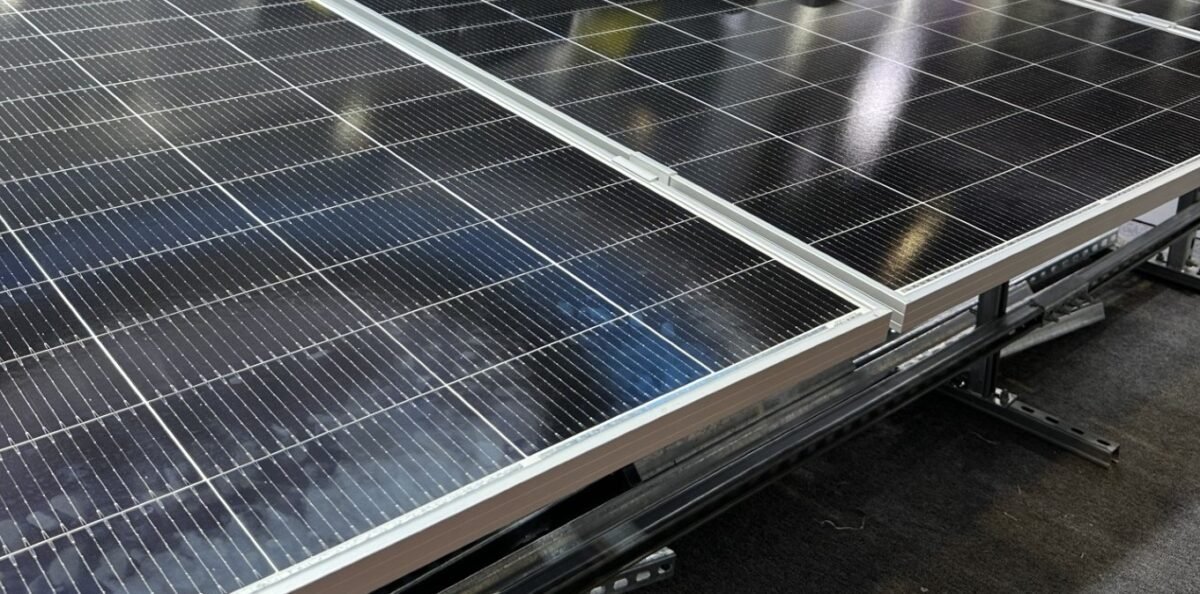
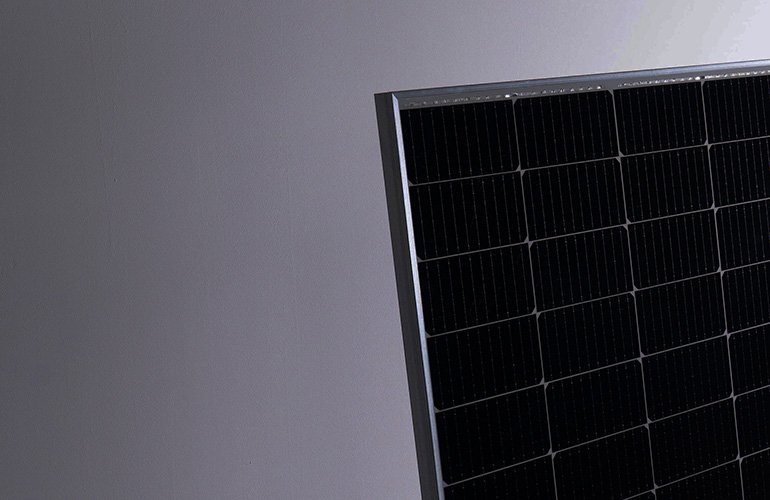
“Solar panel frame technology has been relatively unchanged for over 45 years,” admits Dan Shugar, Nextracker’s CEO. That’s right—while solar cells and inverters evolved, the humble frame stayed stuck in the past. But here’s the twist: frames account for nearly 20% of a panel’s weight and cost. Lightweight, durable alternatives could slash installation time and shipping expenses.
Steel vs. Aluminum: The Hidden Battle
Origami’s roll-formed steel frames aren’t just sturdy; they’re 30% lighter than traditional aluminum. Steel’s cheaper, too—but wait, doesn’t it rust? Not with modern coatings. This reminds me of Tesla’s shift to structural battery packs—sometimes old materials get a second life with new tech.
What This Means for EPCs and Developers
For contractors, lighter frames mean faster racking installations (think fewer backaches). Developers gain supply chain flexibility—steel’s abundant, unlike aluminum, which faced shortages during the pandemic. And with Nextracker’s clout, expect rapid scaling. Could this push solar below $0.20/W? Maybe not tomorrow—but it’s a step.
But What About Recycling?
Steel’s infinitely recyclable, unlike aluminum, which loses quality each cycle. With recycling mandates looming (looking at you, EU), this acquisition feels timely. Imagine decommissioned solar farms feeding steel back into cars or appliances—it’s a circular economy win.
The Bigger Picture: Nextracker’s Playbook
From trackers to frames, Nextracker’s vertical integration mimics First Solar’s module-plus-racking strategy. Is this the future? For utility-scale solar, maybe. Residential? Jury’s out—but with Enphase and SolarEdge dominating homes, why fight that battle?
Bottom line: This $53M bet could quietly transform how solar farms get built. And if steel frames take off, aluminum suppliers might need a new game plan.