Vikram Solar Wins 336 MW Module Order for Khavda Renewable Park
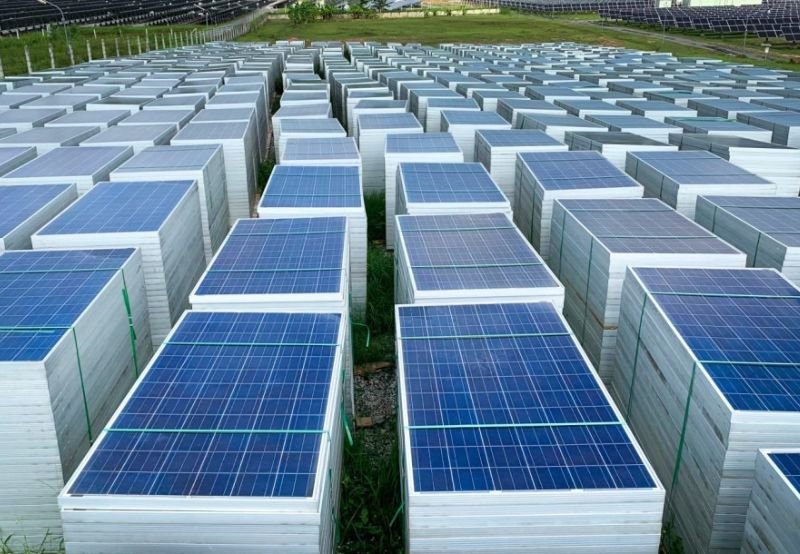
Big news in the solar sector—Vikram Solar just bagged a massive 336 MW module supply order from L&T Construction. This deal is for the upcoming Khavda Renewable Energy Park, a project that’s got everyone talking. But what makes it such a big deal? Let’s break it down.
Why This Order Matters for India’s Solar Ambitions
India’s pushing hard to hit its 500 GW renewable energy target by 2030. Projects like Khavda are the backbone of this plan. With Vikram Solar’s panels powering a chunk of it, the country gets closer to energy independence. And let’s be honest, we could use more homegrown success stories in solar manufacturing, like India’s solar manufacturing boom.
The Khavda Project: A Game Changer?
Khavda isn’t just another solar park. It’s one of the largest globally, spread over 538 square kilometers—that’s like covering Mumbai twice over in panels! L&T’s choice of Vikram Solar’s modules hints at their confidence in domestic tech. Sure, some still swear by imported panels, but hey, local isn’t just ‘good enough’ anymore—it’s competing head-on, thanks to innovations like JinkoSolar’s Tiger Neo 3.0 TOPCon advancements.
Vikram Solar’s Edge: More Than Just Panels
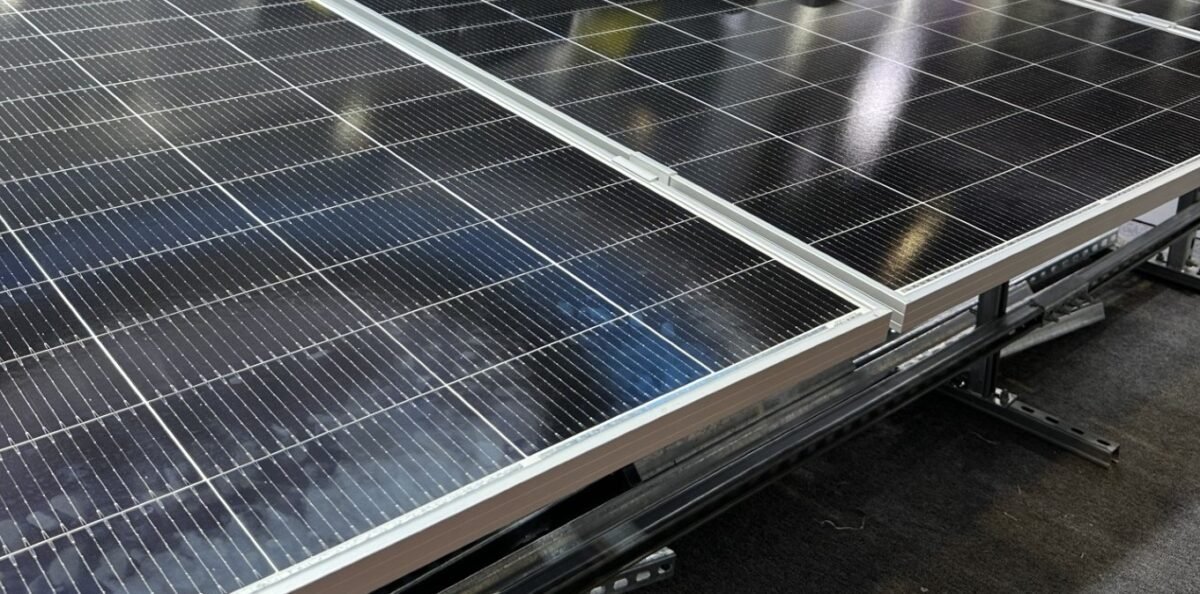
They’re not new to this game. With a track record of 3.5+ GW deployed worldwide, their PERC and bifacial modules are holding their own against global brands. Remember when Indian manufacturers struggled with efficiency gaps? Those days are fading fast. Their latest 540W panels hit 21.3% efficiency—that’s rooftop-to-utility-scale versatility right there, perfect for industrial rooftop solar savings.
Cost vs. Quality: The Eternal Debate
‘Made in India’ used to mean cheaper but middling quality. Not anymore. Vikram’s modules come with 12-year product warranties and 30-year performance guarantees. That’s Tesla Powerwall territory, minus the import headaches. Sure, the upfront cost might pinch, but when degradation rates are under 0.5% annually, the math works out, especially with India’s solar and energy storage revolution.
Challenges No One Talks About
Desert projects like Khavda aren’t sunshine and rainbows—literally. Dust accumulation can slash output by 15-25%. Vikram’s anti-soiling coating helps, but O&M crews will earn their keep here. And let’s not forget the transmission bottlenecks. Gujarat’s grid is robust, but pumping 30 GW eventually? That’ll need some serious infrastructure upgrades, possibly with India’s green hydrogen sector support.
What’s Next for Indian Solar?
Deals like this prove PLI schemes are bearing fruit. With Adani and Tata also scaling up, imports could drop below 30% by 2026. The real test? Sustaining quality while keeping prices competitive as raw material costs yo-yo. One thing’s clear—when global players like L&T bet on Indian manufacturers, it’s more than an order. It’s a vote of confidence in India’s solar PV surge.