GSECL Seeks GERC Approval for Chandarava Solar Project Tariff
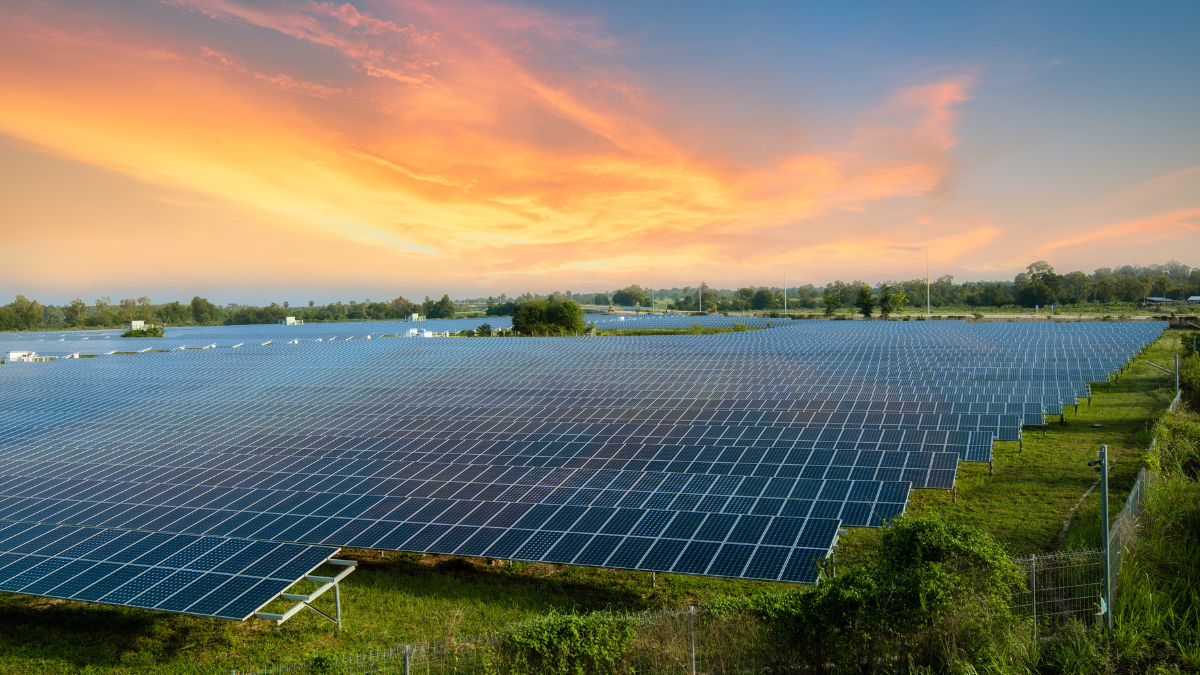
The Gujarat State Electricity Corporation Limited (GSECL) has taken a significant step forward in its solar energy ambitions by filing a petition with the Gujarat Electricity Regulatory Commission (GERC). The petition seeks tariff determination for the 30 MW Chandarava Solar Project, a move that could set a precedent for future solar initiatives in the state.
Why This Project Matters
Gujarat has long been a leader in renewable energy adoption, but the Chandarava project stands out for several reasons. First, it’s part of the state’s push to achieve 30 GW of solar capacity by 2030. Second, the tariff structure proposed here could influence how similar projects are priced across India.
The Nitty-Gritty of Tariff Determination
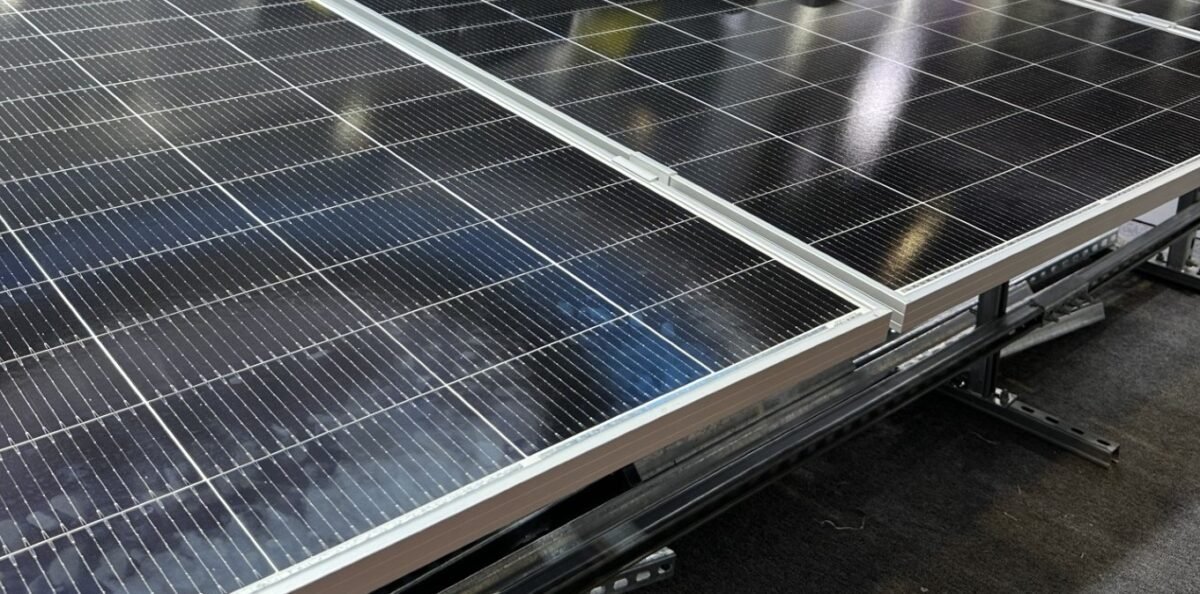
Tariff determination isn’t just about setting a price—it’s about balancing costs for developers with affordability for consumers. GSECL’s petition likely includes detailed breakdowns of capital expenditure (capex), operational costs, and expected returns. Solar panels, inverters from brands like Canadian Solar, and land acquisition costs all play into this equation.
Challenges and Opportunities
Some might argue that solar projects like Chandarava face uphill battles—land availability, grid integration, and fluctuating module prices. Yet, Gujarat’s track record suggests otherwise. The state’s existing solar parks and robust net metering policies create a favorable environment.
What’s Next for Chandarava?
Once GERC reviews the petition, stakeholders can expect public hearings and possible revisions. If approved, construction could begin within 12–18 months, putting Gujarat another step closer to its renewable targets.
This reminds me of California’s 2020 rollout, where streamlined approvals accelerated solar adoption. Could Gujarat replicate that success? Only time will tell, but the Chandarava project is certainly a step in the right direction.