US Solar Growth Faces 55 GW Shortfall by 2030 Despite Rising Demand
The U.S. solar industry kicked off 2025 with a strong 18 GW installed in just six months—enough to power roughly 3.4 million homes. Yet a new SEIA-Wood Mackenzie report warns we’re headed for a 55 GW deficit by 2030 if policy and supply chain challenges persist. How did we get here, and what’s really at stake?
The Policy Whiplash Effect
Solar installations grew 7% year-over-year despite recent regulatory headwinds, proving resilience isn’t just a buzzword for this sector. But dig deeper, and you’ll find a troubling trend: 82% of new grid capacity came from solar and storage in H1 2025, yet projected growth could slow dramatically. HR1’s tariff provisions and interconnection backlogs are creating what analysts call ‘an invisible ceiling’ on deployment.
Tariffs vs. Technology
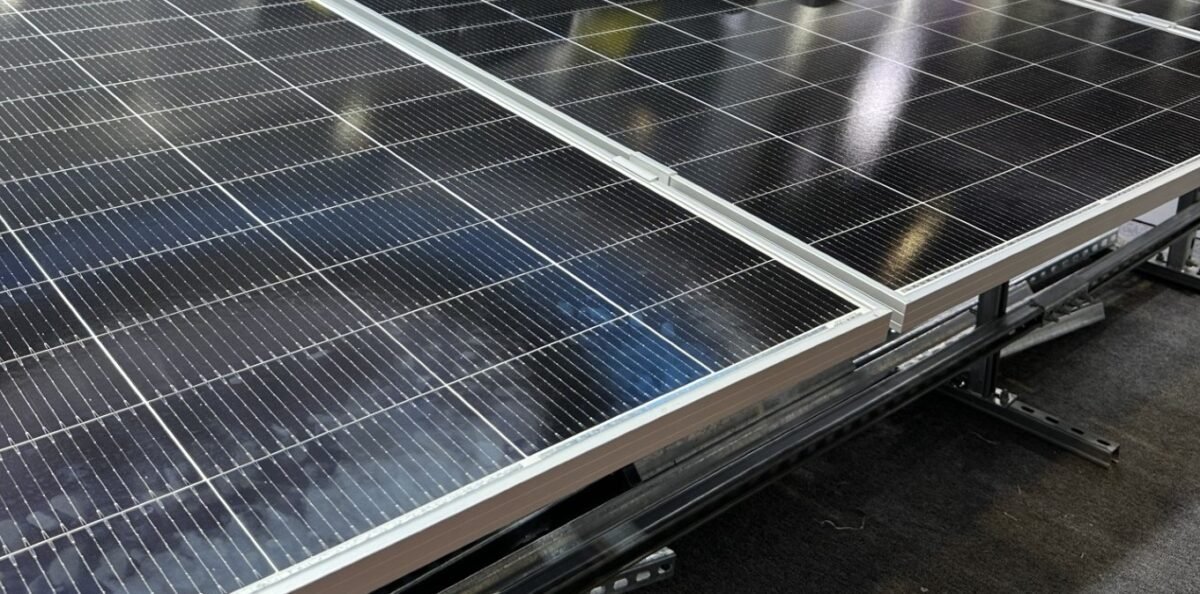
First Solar and SunPower panels now cost 12% more than pre-2024 prices due to import restrictions. While domestic manufacturing is expanding—Qcells’ Georgia factory will produce 5.1 GW annually by 2026—the gap between supply and demand keeps widening. ‘We’re trying to fill a swimming pool with a garden hose,’ one EPC contractor told me.
Storage: The Silver Lining?
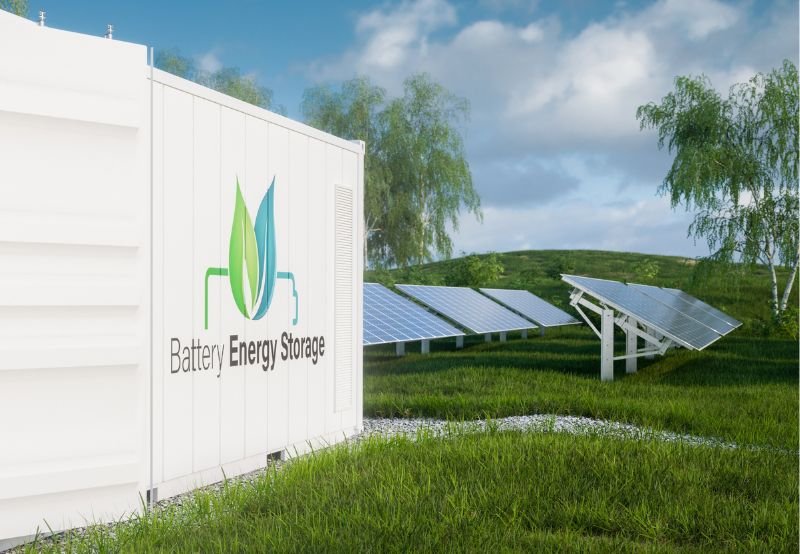
Here’s where it gets interesting. Pairing Tesla Powerwalls with solar arrays has become 23% more cost-effective since 2023, smoothing out duck curve challenges. But net metering reforms in states like Florida are making standalone PV less attractive. Could this shift actually accelerate battery adoption? The data suggests yes—but policy uncertainty remains the wild card.
Three Pathways Forward
- Domestic Production Surge: The IRA’s manufacturing credits could add 33 GW/year capacity by 2027 if supply chains cooperate
- Interconnection Innovation: Fronius and other inverter makers are developing grid-forming tech to speed up approvals
- Storage First Approach: Massachusetts’ new Solar+Storage mandate might become a national blueprint
One utility-scale developer put it bluntly: ‘We’ve got the demand, the tech, and the labor. What we need now is policy that doesn’t change every election cycle.’