PV Hardware Expands U.S. Solar Tracker Production in Houston
Houston, we have solar growth! PV Hardware USA, a key player in solar tracking and foundation solutions, just fired up its second U.S. manufacturing facility—a 95,000-square-foot powerhouse in Houston. This move isn’t just about square footage; it’s a jobs magnet, creating over 100 local positions while ramping up domestic solar tracker production. With operations kicking off in July, this facility complements PVH’s first $30 million U.S. plant, signaling a serious commitment to American-made solar infrastructure.
Why Houston? The Sun Belt’s Silent Advantage
Some might ask why a solar company would double down in Houston, a city synonymous with oil. But here’s the twist: Texas leads the U.S. in solar capacity additions, and Houston’s industrial ecosystem—think skilled labor, shipping routes, and tax incentives—makes it a stealthy solar hub. PVH’s trackers, designed for utility-scale projects, need exactly this kind of logistical backbone.
Tracking Tech: More Than Just Metal Frames
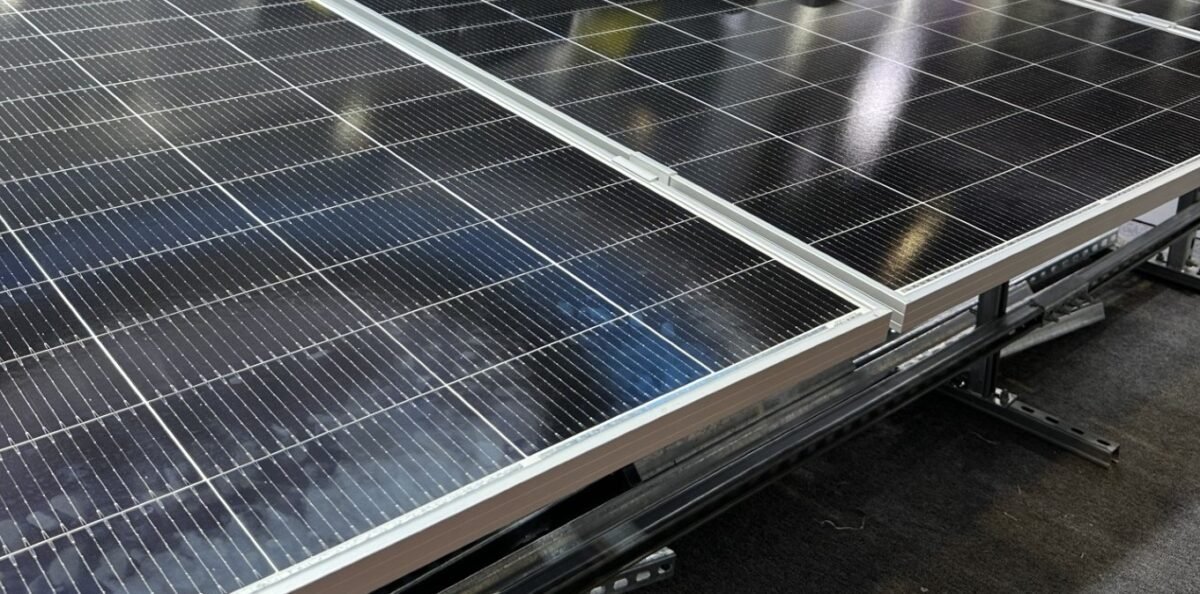
Solar trackers aren’t your grandpa’s fixed-mount racks. These systems tilt panels like sunflowers, boosting energy yield by 25-35%. PVH’s designs compete with giants like Nextracker, using robust motors and algorithms to outsmart clouds. The Houston facility will likely churn out their flagship T-160 model—a single-axis tracker that’s become a contractor favorite for its balance of cost and durability.
Jobs vs. Robots? The Human Factor
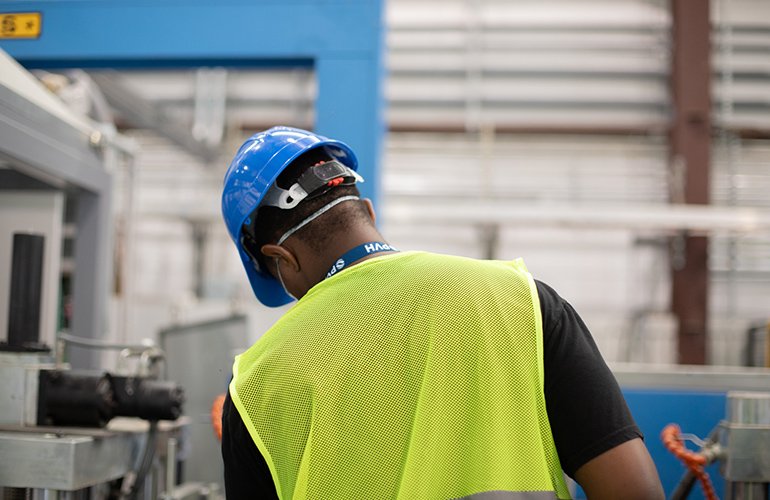
Automation might dominate factory talk, but PVH’s hiring spree highlights an overlooked truth: solar manufacturing still needs hands-on expertise. Welders, electrical assemblers, and quality control specialists will fill most roles, with wages averaging $22/hour—well above Texas’s minimum. It’s a win for workers and the industry’s push to localize supply chains post-IRA.
The Inflation Reduction Act’s Hidden Gears
Remember when critics said the IRA wouldn’t move the needle? PVH’s Houston expansion joins a wave of 93 new clean energy factories since the bill passed. Domestic content tax credits likely influenced this decision—trackers made in the U.S. now offer developers bonus incentives, making imports from China or Spain less appealing.
What’s Next? Beyond the Factory Walls
This launch isn’t just about trackers rolling off lines. Watch for partnerships with Texas solar farms, like those using First Solar panels or Enphase microinverters. And don’t be surprised if PVH leverages Houston’s port to export to Latin America—their Spanish parent company already dominates markets there.
For installers, more U.S.-made trackers mean shorter lead times and easier maintenance. One project manager told me, ‘Last year, we waited 14 weeks for parts from Europe. Now? Maybe three.’ That reliability shift could accelerate solar adoption faster than any policy.