New Farmers Powering Communities Boosts Rural Solar Access
Farmers Powering Communities (FPC), a partnership between Reactivate (an Invenergy company), American Farmland Trust, and Edelen Renewables Community Solar, is making waves in the rural solar sector. This collaboration aims to bring community-scale solar projects to farmers and rural areas, bridging the gap between agriculture and renewable energy.
Why This Partnership Matters for Rural America
Solar development in rural areas has often lagged behind urban installations—but FPC is changing that. By focusing on community-scale projects, they’re addressing two critical needs: providing farmers with additional income streams and expanding clean energy access in regions where the grid might be outdated.
How It Works: Solar Meets Agriculture
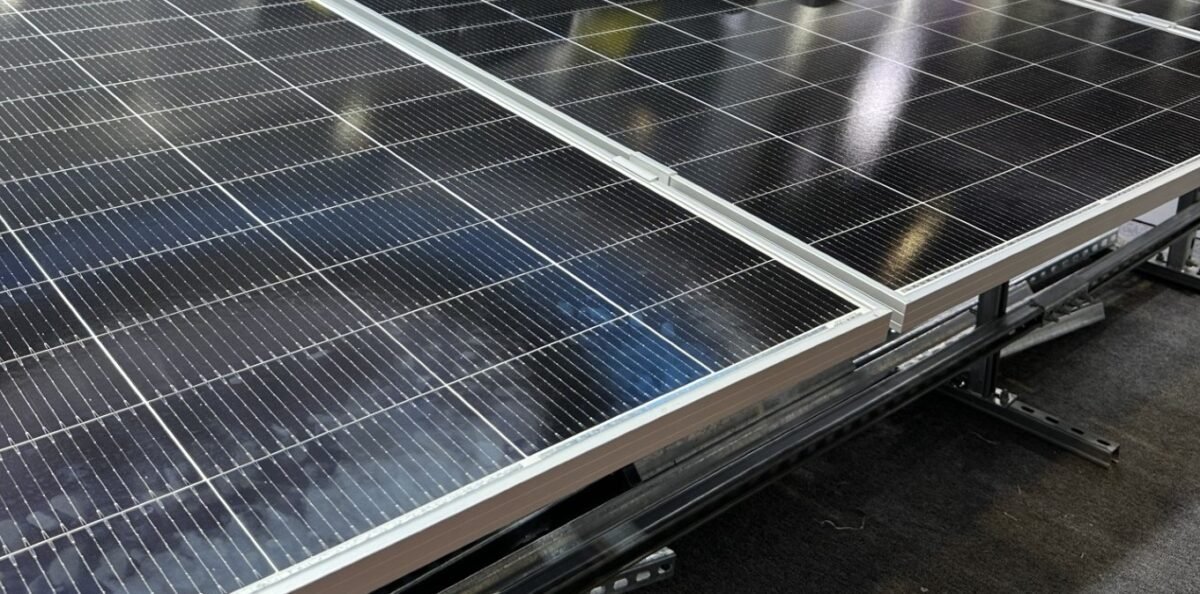
FPC’s model isn’t just about slapping solar panels on unused land. They prioritize dual-use solar farms, where crops or livestock coexist with PV modules. Think grazing sheep under solar arrays or planting pollinator-friendly vegetation between rows. It’s a win-win: farmers earn lease payments, and communities get locally generated power without sacrificing productive farmland.
But What About Land Use Concerns?
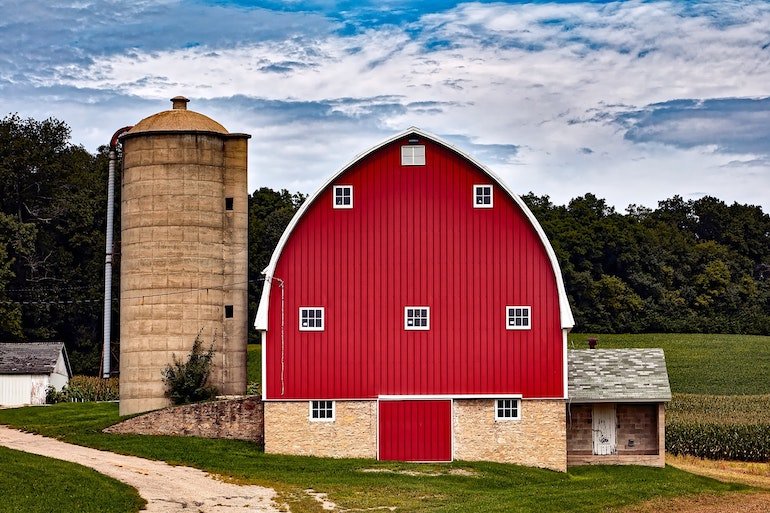
Critics argue solar farms compete with agriculture, but FPC’s approach proves otherwise. Their projects target marginal or underutilized land—like drought-prone fields or buffer zones near highways. Solar developers often work with agronomists to ensure soil health isn’t compromised. Remember California’s 2020 rollout? Similar dual-use projects there increased honey production by 30% near solar sites.
The Financial Upside for Farmers
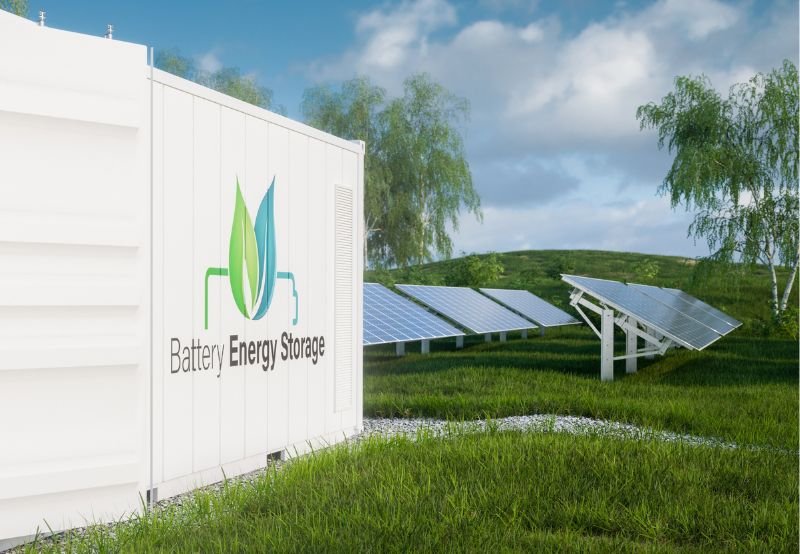
Leasing land for solar can provide $500-$2,000 per acre annually—a lifeline for small farms. Plus, with tools like Fronius inverters and Tesla Powerwall storage, these systems can stabilize local grids during peak demand. Surprised? Solar might seem expensive upfront, yet many farmers break even in under 5 years thanks to net metering and state incentives.
Challenges Ahead
Not every county welcomes solar with open arms. Zoning laws and outdated interconnection rules can delay projects. But FPC’s coalition includes policy experts to navigate red tape. Their secret weapon? Showing rural leaders how solar retains youth populations by creating skilled jobs—electricians, maintenance crews, even drone operators for site inspections.
As FPC scales, expect more partnerships with local cooperatives. After all, reliability isn’t a luxury—it’s non-negotiable for rural hospitals and schools. Could this be the model that finally brings grid parity to America’s heartland?