Repsol Taps RES for 1.5 GW Solar O&M in US Portfolio
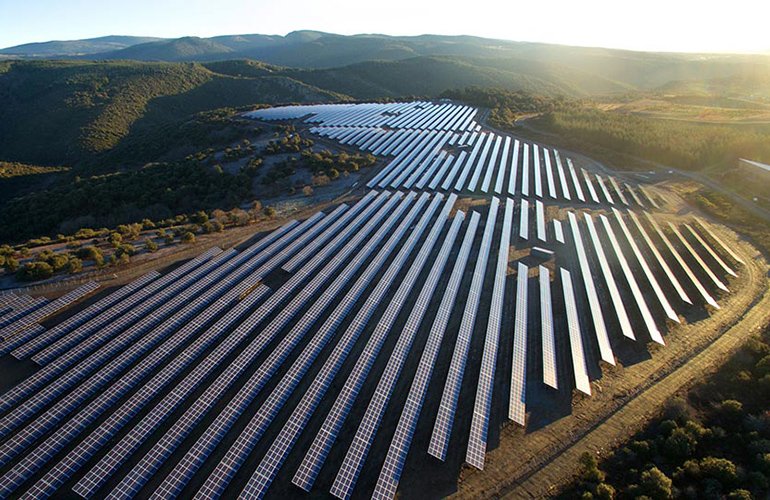
Spanish energy giant Repsol has picked Renewable Energy Systems (RES) to handle operations and maintenance (O&M) for its 1.5-gigawatt utility-scale solar fleet in the American Southwest. The deal covers four projects—two in Texas, two in New Mexico—including the massive 825-MW Pinnington array. Here’s why this partnership could ripple across the solar sector.
The Projects Behind the Headline
RES will oversee O&M for:
- Pinnington Solar (825 MW, Texas)
- Outpost Solar (620 MW, Texas)
- Jicarilla I & II (120 MW combined, New Mexico)
That’s enough panels to power roughly 300,000 homes when the sun’s high. Texas accounts for 96% of the capacity—no surprise given its booming ERCOT market and cheap land.
Why O&M Deals Like This Matter
Solar plants aren’t ‘set it and forget it.’ Dust storms in New Mexico slash output by up to 15% without cleaning. Inverter glitches—whether from Fronius, SMA, or others—can idle whole strings. RES’s track record with 20 GW under management gives Repsol defense against these risks.
The Underrated Challenge: Grid Coordination
ERCOT’s shifting interconnection rules mean O&M teams now handle more than just panel repairs. “We’re basically grid diplomats,” joked one site manager last year. RES will likely use Power Factors’ Drive software to juggle performance data across these sprawling sites.
Wait—Isn’t Solar Maintenance Simple?
You’d think. But consider: The Pinnington site alone has about 2.5 million panels. A 1% underperformance means losing $1.3 million annually at current PPA rates. Thermal drone inspections and robotic cleaners help, but human oversight ties it together.
This reminds me of California’s 2020 rollout where poor O&M led to new wildfire protocols. Repsol seems determined to avoid similar stumbles.
The Bigger Picture for Solar O&M
As PPAs dip below 2¢/kWh in some markets, operators can’t afford downtime. RES’s AI-driven predictive maintenance—pioneered on UK wind farms—might soon be standard. For now, their crew trucks rolling across West Texas prairies signal solar’s shift from construction boom to stewardship era.