West Bengal’s New Rooftop Solar Rules for Prosumers Explained
West Bengal is embracing the growth of rooftop solar with new rules announced by the West Bengal Electricity Regulatory Commission (WBERC). These regulations aim to simplify net metering, reduce bureaucratic hurdles, and make solar more accessible. This move comes after West Bengal has lagged behind states like Gujarat and Rajasthan in solar adoption. Specifically, the new policy targets 500 MW of rooftop capacity by 2027, with prosumers playing a key role in this growth.
Why This Matters for West Bengal
The new policy is crucial for West Bengal to catch up with other states in solar adoption. Notably, India’s solar PV surge and clean energy revolution in 2025 will likely see increased focus on such state-level initiatives. India’s solar PV surge is a key driver of the country’s clean energy transition.
Key Changes Under the New Rules
The rules introduce three significant shifts:
- Faster Approvals: A time-bound 15-day clearance for systems under 10 kW.
- Better Tariffs: ₹3.50/kWh for excess power fed to the grid.
- Banking Flexibility: Annual instead of monthly energy credits.
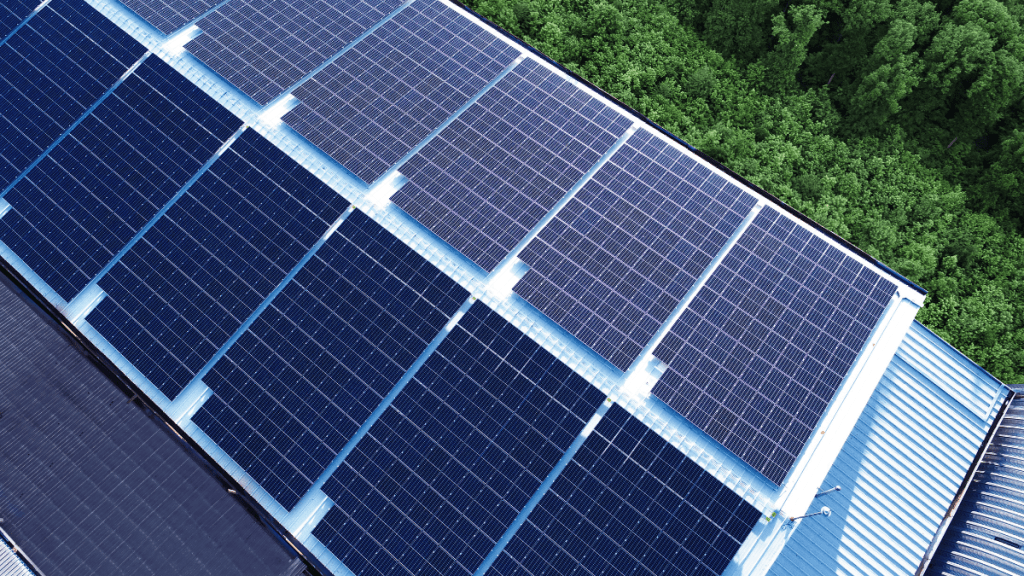
These changes, along with penalties for DISCOMs delaying installations, are expected to boost rooftop solar adoption among industrial rooftops for significant energy savings.
Batteries: The Missing Piece?
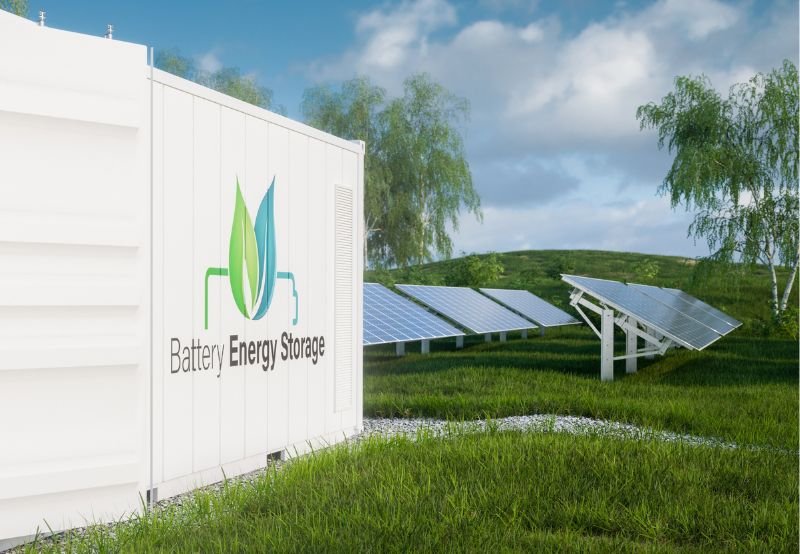
The policy remains silent on storage—a notable oversight considering solar-plus-storage solutions are gaining traction for their ability to address frequent blackouts.
Industrial vs Residential Impact
Textile mills in Howrah could see significant benefits, slashing daytime bills by 40% with 100 kW systems. Homeowners will also see improvements, with subsidies reducing breakeven points from 6 years to 4 years for 3 kW systems.
The Installer’s Opportunity
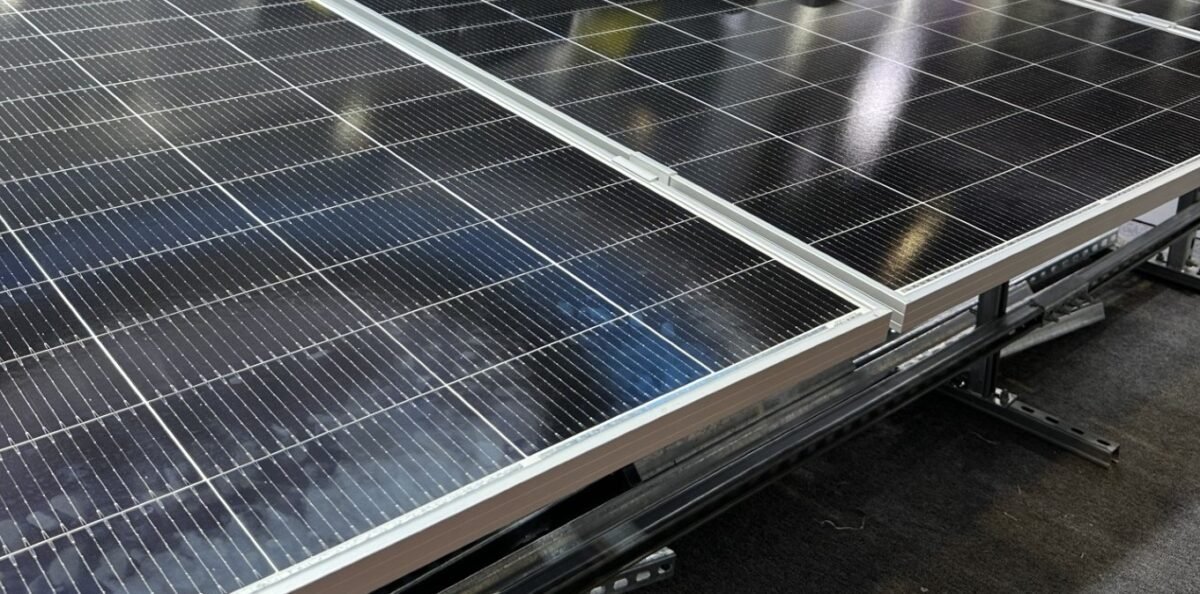
Local solar firms should prepare for increased demand, particularly for 400W+ bifacial modules.
As West Bengal’s solar revolution picks up, all eyes are on how effectively these new rules will be implemented to support the state’s renewable energy goals.