Jharkhand Drafts New Electricity Distribution Tariff Regulations for 2025
The Jharkhand State Electricity Regulatory Commission (JSERC) has rolled out its draft regulations for determining electricity distribution tariffs for 2025. This move could reshape how solar projects and grid integrations function in the state. Let’s break it down.
Impact on Solar Industry
If you’re in the solar industry, these regulations aren’t just paperwork—they’re a roadmap. Tariffs affect everything from net metering payouts to the feasibility of large-scale solar farms like the Geronimo Power Portage Solar Project in Wisconsin.
Transparent Pricing
The draft hints at a push for more transparent pricing structures. No more guessing games—utilities might soon have to justify every line item. Solar projects could see clearer ROI calculations with the help of solar-hydrogen technology benefits.
Grid Parity: Closer Than You Think?
Jharkhand’s solar potential is huge, but grid costs have been a hurdle. With revised tariffs, solar might finally compete head-to-head with conventional power. Imagine large-scale solar farms in Wisconsin like the Waaree Renewable Technologies 21 MW Solar Project scaling up without subsidy crutches.
Batteries Hold the Key
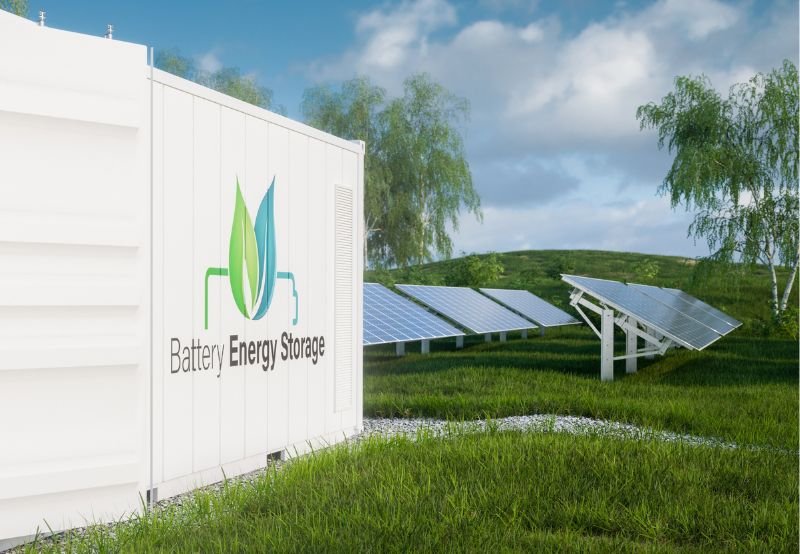
Solar panels alone won’t cut it after sunset. The regulations could pave the way for energy storage solutions like Tesla Powerwall or indigenous alternatives. Peak shaving? Now we’re talking.
The Future of Solar in Jharkhand
Stakeholder consultations are due. Solar developers like the Blue Leaf Energy should mark their calendars—this is your chance to voice concerns before policies harden.
Aftermath
Tariff revisions often hide devilish details. Cross-subsidies for agricultural users might dilute benefits for commercial solar, but industrial consumers could gain. It’s a trade-off. As solar innovation advances, policymakers must balance growth with grid stability and renewable energy incentives.