CERC’s 2025 Grid Access Amendments: A Boost for Solar Flexibility
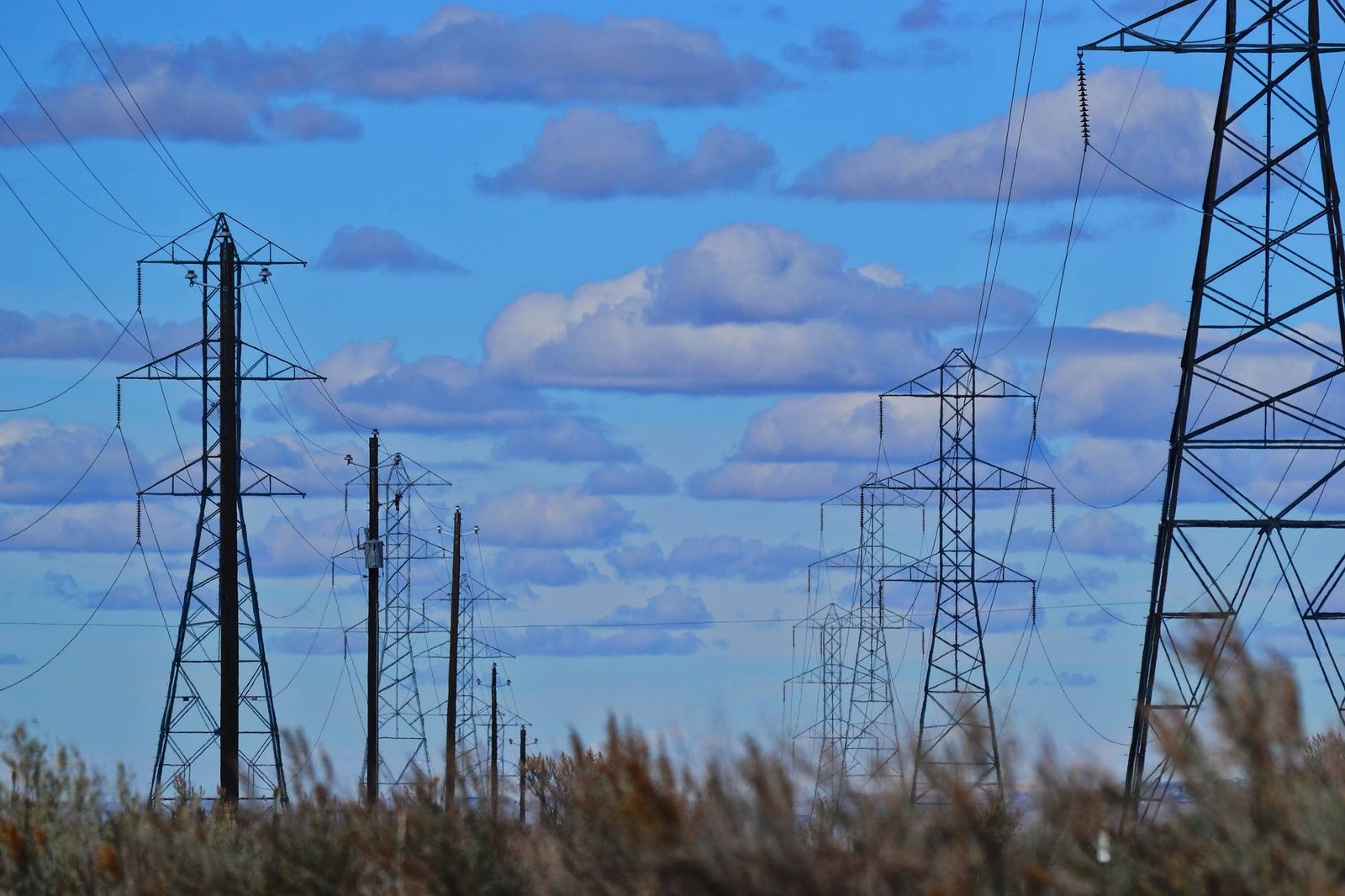
The Central Electricity Regulatory Commission (CERC) has rolled out its third amendment to the Grid Access Rules for 2025, and solar developers are buzzing. These changes aren’t just paperwork—they’re a game-changer for how renewable energy integrates with India’s power grid.
Why This Update? The Solar Industry’s Growing Pains
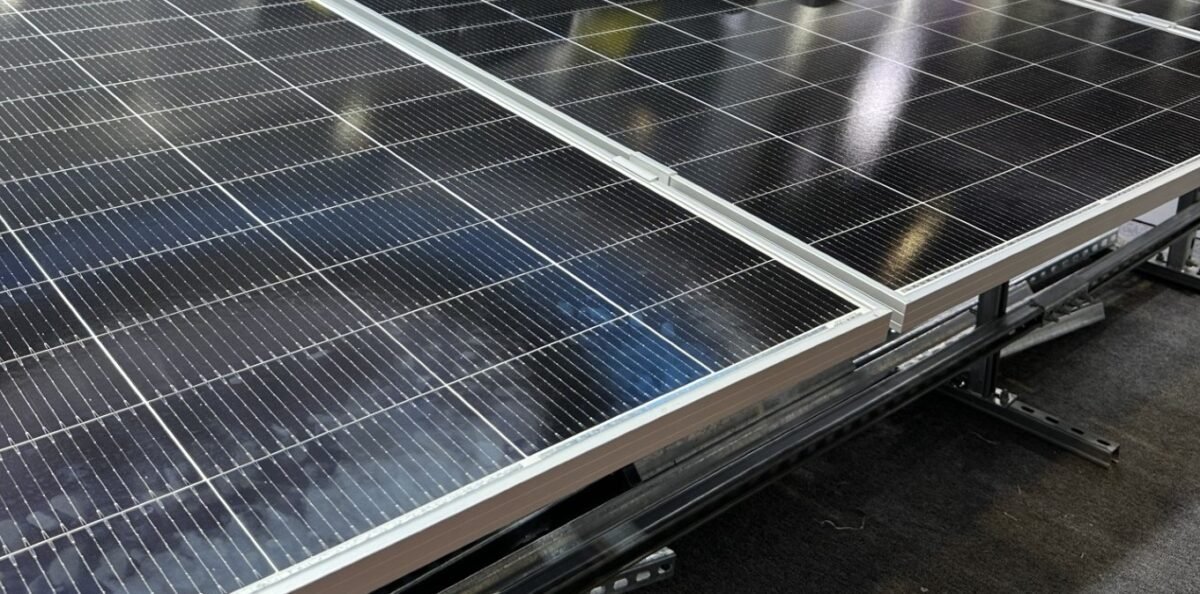
India’s solar capacity is exploding, but the grid wasn’t designed for this much variable power. Remember the chaos in Rajasthan last monsoon when curtailment spiked? The CERC’s amendments aim to prevent those headaches. They’re tweaking the rules to match the reality of solar’s unpredictability—cloudy days and all.
Key Changes: Scheduling Gets Smarter
Gone are the rigid scheduling windows. The new rules allow:
- Hourly revisions for solar generators (bye-bye, day-ahead stress)
- Reduced penalties for minor deviations (because perfect forecasting is a myth)
- Priority scheduling for hybrid projects pairing solar with batteries, like the innovative Sungrow advanced home battery in Southeast Asia.
It’s like trading a fixed train timetable for ride-sharing apps—way more flexibility when you need it.
Batteries Get Their Moment
Tesla Powerwall owners know storage smooths out solar’s bumps. Now, grid-scale projects get similar love. The amendments explicitly recognize battery storage as a scheduling resource. Hybrid solar+storage plants can now bid as single entities in power markets—a first. This could make projects using LFP batteries from BYD or Amperex way more viable.
The Catch? Implementation Hurdles
State DISCOMS aren’t famous for fast adaptation. While the rules look great on paper, getting utilities like MSEDCL or TSSPDCL to update their systems might take months. Some developers worry about:
- Uneven enforcement across states
- Data transparency gaps in grid availability
- Bank guarantees still tying up capital, making solar financing more challenging
Still, it’s progress. Remember when net metering seemed impossible? This feels like that turning point.
What’s Next for Developers?
Projects under construction—especially those using innovative solar modules or Sungrow’s advanced home battery—should review contracts now. The amendments allow renegotiation of existing PPAs to adopt new scheduling options. And for new bids? Factor in these rules to shave 5-7% off your risk premiums.
The grid is finally catching up with solar. Not with a bang, but with sensible tweaks that make kilowatt-hours flow smoother. That’s how real energy transitions happen—one amendment at a time.