US Grid Interconnection Hits Record 75 GW in 2024 Due to Reforms
The U.S. solar industry just smashed another milestone—grid interconnection agreements in 2024 surged 33% to a record-breaking 75 GW. For perspective, that’s enough capacity to power roughly 15 million homes annually. This leap didn’t happen by accident. Federal reforms finally tackled the infamous “interconnection queue bottleneck” that’s plagued developers for years.
Why the Sudden Jump?
Remember waiting 3-4 years just to connect a solar farm to the grid? The Federal Energy Regulatory Commission (FERC) did too. Their Order 2023 forced utilities to streamline approval timelines, standardized studies (bye-bye, redundant impact analyses), and slapped penalties on grid operators dragging their feet. Turns out, when you remove roadblocks, projects move faster. Who knew?
The Battery Boost Nobody Saw Coming
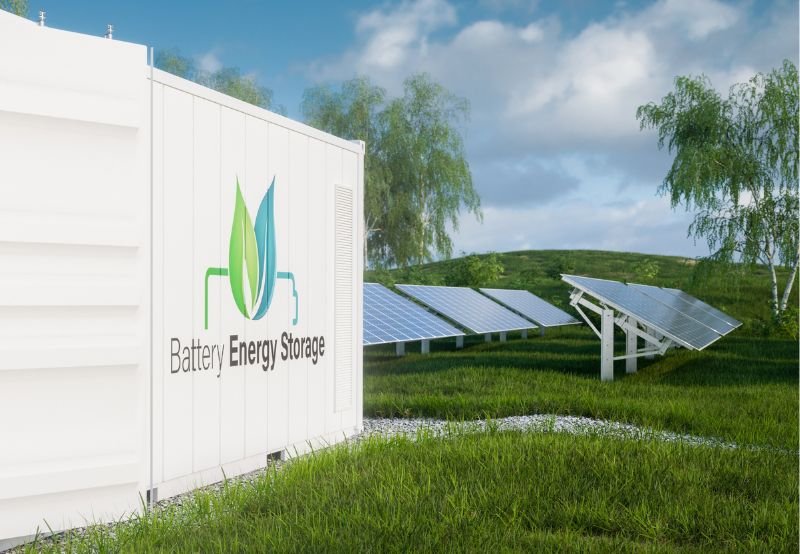
Here’s where it gets interesting—40% of newly connected projects paired solar with storage, like Tesla Megapacks or NextEra’s battery arrays. Hybrid systems are no longer exotic; they’re table stakes for securing interconnection slots. Storage acts like a traffic cop, smoothing out solar’s peaks so grids don’t get overwhelmed during midday surges.
But Wait—Isn’t Land a Problem?
You’d think so. Yet creative siting is flipping the script. Former coal plants in West Virginia are becoming solar hubs, leveraging existing transmission corridors. Even Nevada’s dried-up reservoirs now host floating PV arrays. It’s not just about empty deserts anymore.
What’s Next for Developers?
Don’t pop champagne yet. While 75 GW got the green light, supply chain snags could delay actual construction. Also, ERCOT’s new “connect and manage” policy—letting generators come online before upgrades finish—could either ease congestion or cause chaos. One thing’s certain: 2025’s queue will test if these reforms have staying power.
The Takeaway
This isn’t just paperwork progress. Faster interconnections mean lower financed costs—saving ~$0.02/Watt for utility-scale projects. For installers racing against the IRA’s domestic-content deadlines, that’s serious margin relief. The grid might finally be catching up to solar’s breakneck growth.