Noria Energy Launches 50 kW Floating Solar Pilot in Colorado With AquaPhi Tracker
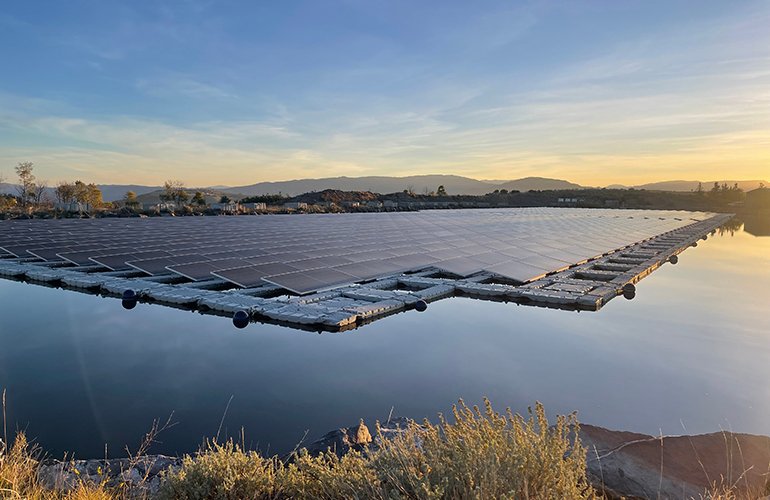
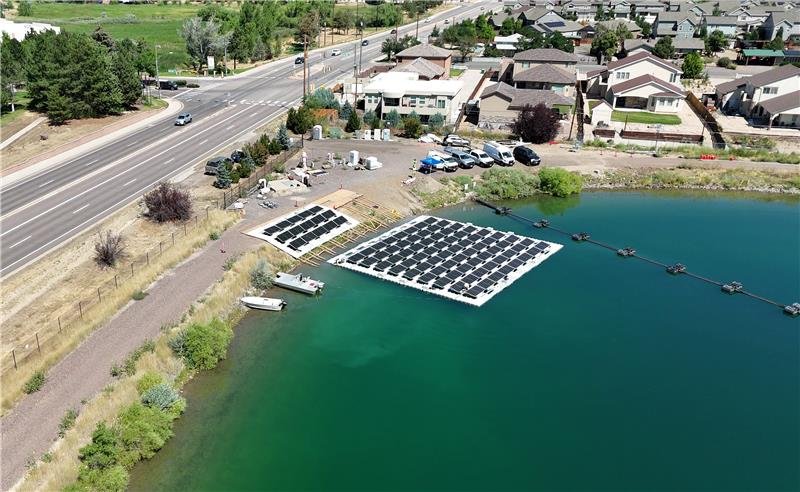
Floating solar is making waves—quite literally—as Noria Energy kicks off construction on its 50 kW Aurea Solar project in Golden, Colorado. This pilot installation for Consolidated Mutual Water Company isn’t just another solar array; it’s a high-efficiency system riding on AquaPhi trackers that follow the sun across the water. Think of it as sunflower tech for reservoirs.
Benefits of Floating Solar for Water Utilities
Water and energy have always been intertwined. Pumping, treating, and distributing water is energy-intensive, and reservoirs happen to be perfect real estate for solar panels. Unlike land-based systems, floating solar reduces evaporation—a big deal in drought-prone Colorado. Early data suggests these setups can cut water loss by up to 70% while generating power.
AquaPhi Tracker: Enhancing Solar Efficiency
Noria’s secret sauce is the AquaPhi tracker, which tilts panels at optimal angles without heavy anchors. Traditional fixed-tilt floating solar systems lose about 15-20% efficiency compared to tracked ones. This design uses passive rotation—no motors, just buoyancy physics. It’s like how a sailboat adjusts to wind, but for photons.
Project Details and Impact
At 50 kW, the Aurea project won’t single-handedly decarbonize Colorado’s grid. But its 85 MWh annual output will power reservoir pumps continuously, proving the model’s viability. For context, that’s enough to run 8 American homes for a year—except here, every watt goes toward critical water infrastructure.
Winter Performance and Ice Management
You might wonder about ice floes crushing the system. Noria’s team engineered for freeze-thaw cycles, using flexible mooring lines that accommodate movement. Snow slides off the angled panels faster than ground mounts too. Sometimes, cold weather actually helps—reflectivity from snow can boost production by 5% on clear days.
Global Trends in Floating Solar
This project mirrors global trends. Japan’s Yamakura Dam (13.7 MW) and Singapore’s Tengeh Reservoir (60 MW) show scaling potential. With water utilities accounting for 4% of U.S. electricity use, floating solar could slice their bills—and emissions—significantly. Xcel Energy’s nearby grid mix (57% fossil fuels) makes this pilot especially strategic.
Future Developments and Replication
Post-commissioning, the team will monitor performance against land-based counterparts. If the data stacks up, expect rapid replication. Sonoma County’s 12 MW proposal already cites Noria’s tech as inspiration. As permitting hurdles ease, these aquatic arrays might just become the new normal for water-intensive industries.