SECI Tenders 3.5 MW Rooftop Solar for Northeast Institutions
Big news for India’s solar sector! The Solar Energy Corporation of India (SECI) has floated a tender for setting up 3,540 kW (that’s 3.5 MW) of grid-connected rooftop solar projects in educational institutions across three northeastern states.
This comes under the RTSPV-Tranche-II scheme, which aims to promote rooftop solar installations in India. Rooftop solar provides several benefits to institutions, including reduced electricity bills and minimal environmental impact.
Why Educational Institutions?
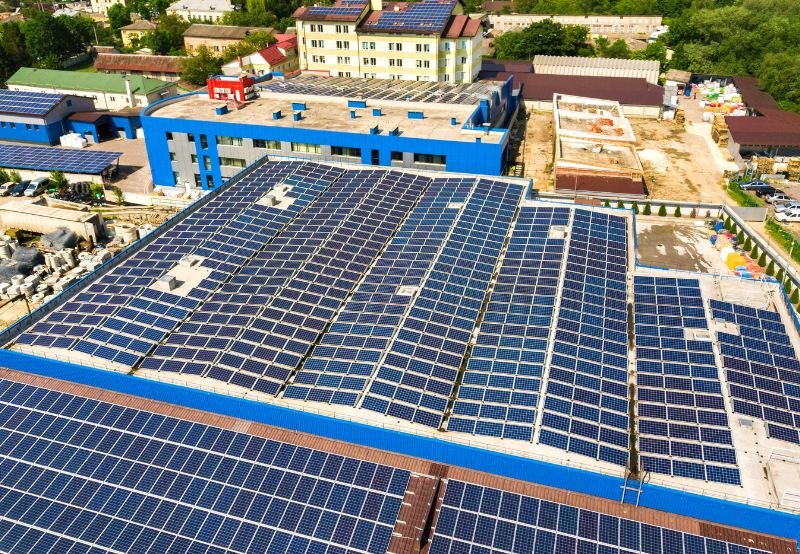
Schools and colleges are perfect for solar. Large rooftops, steady daytime consumption – it’s a no-brainer. Under the RESCO model, institutions don’t pay upfront costs. The developer handles everything from installation to maintenance, charging only for the power consumed. Think of it like leasing solar energy instead of buying panels.
Renewable Energy Growth in India
India has seen significant growth in the renewable energy sector, with solar energy contributing significantly. Earlier this year, the country achieved a major milestone with 60 GW of clean energy power sales.
RESCO Mode Explained Simply
In RESCO (Renewable Energy Service Company) mode, schools get solar power without owning the system. The developer installs panels – maybe JinkoSolar or Waaree modules with Fronius inverters – maintains them for 25 years, and sells electricity at pre-agreed rates. No capital expenditure, no technical headaches.
But What About Financial Viability?
Solar seems expensive upfront… yet the RESCO model makes it cash-flow positive from Day 1. Institutions save 20-40% on electricity bills immediately. As grid tariffs rise (and they will), savings compound. Some states offer additional subsidies too.
Technical Specifications
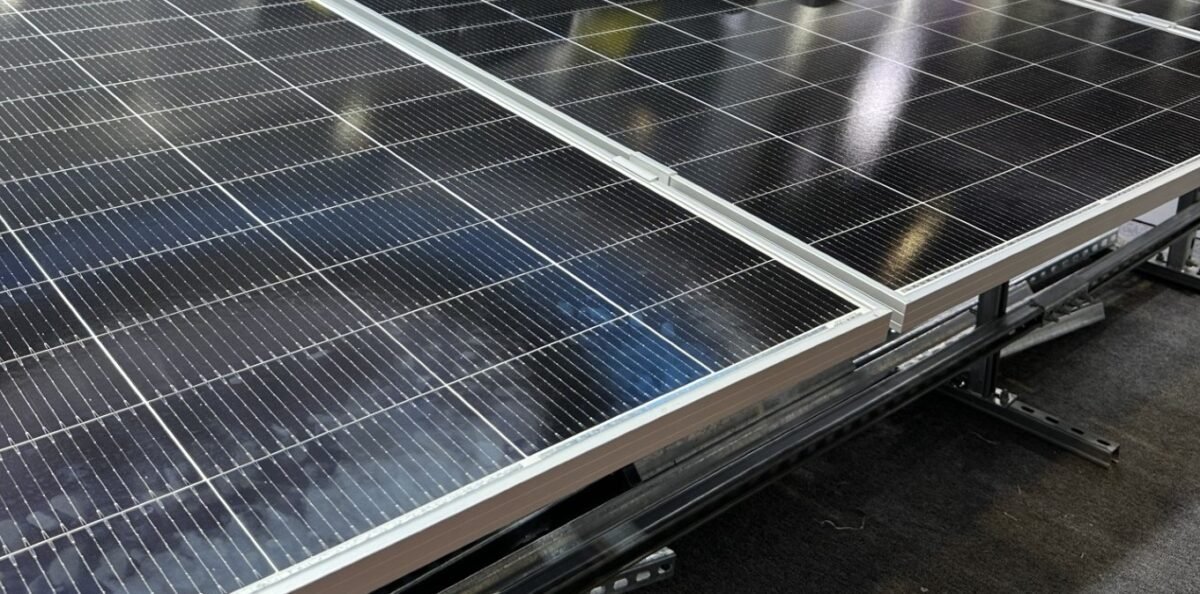
The tender calls for crystalline silicon panels (minimum 325W each) with 90% performance warranty after 10 years, 80% after 25. String inverters must have >97% efficiency. Monitoring systems? Mandatory. SECI’s learned from past projects – no compromises on quality.
Challenges Ahead?
Roof assessments in remote areas, getting clearances from multiple authorities, delayed payments – these hurdles exist. But companies with northeast experience (like SUNergy or Oriano) have cracked this code before. Proper project structuring is key.
What This Means for Developers
This 3.5 MW tender is small but strategic. Bidding starts soon, with tariffs likely around ₹3.50-4.00/kWh. For EPC companies, it’s a chance to build credibility in institutional solar. Future tenders could be 10x bigger if execution goes well.
Broader Impact
When students see solar panels daily, renewables become normal, not niche. That psychological shift drives tomorrow’s adoption. Plus, excess power feeds the grid – helping DISCOMs meet RPO targets. Everybody wins.
Honestly, projects like this don’t make headlines often. But quietly, they’re transforming India’s energy landscape – one school rooftop at a time.