Andhra Pradesh Proposes Virtual Net Metering for Rooftop Solar
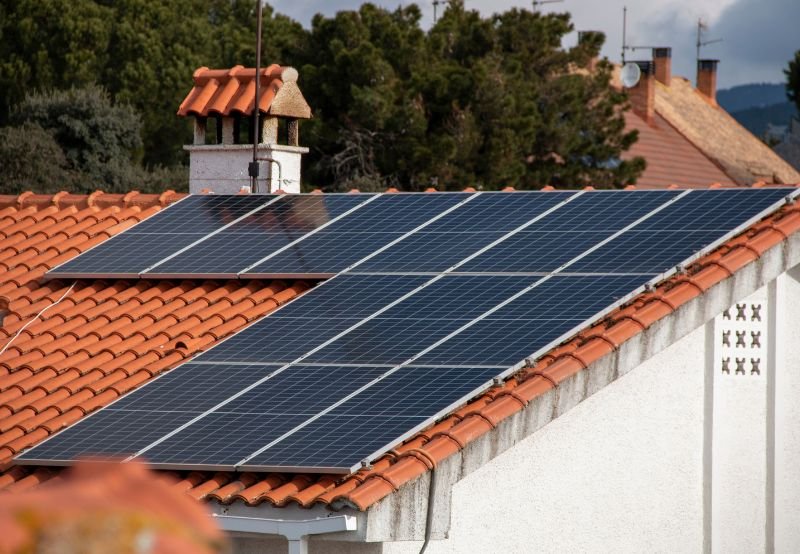
Big news for solar enthusiasts in Andhra Pradesh! The Andhra Pradesh Electricity Regulatory Commission (APERC) has dropped a potential game-changer—virtual net metering for rooftop solar. Think of it like sharing your solar power with neighbors through the grid. Housing societies, residential complexes, and even commercial clusters can now pool their solar energy exports. No more fretting about individual meters—just one gross meter to track it all.
Why This Matters for Solar Adoption
You know how some rooftops just aren’t sunny enough? Or maybe your neighbor’s building has ample space, but yours doesn’t? Virtual net metering solves that. Instead of relying solely on your own solar panels, you can now share the love (and the electrons) with others in your group. APERC’s draft policy suggests this could boost solar adoption by 20-30% in urban areas.
The Tech Behind It: Gross Meters and Group Billing
Here’s how it works: A single gross meter measures the total solar power fed into the grid by a group—say, a housing society with 50 apartments. The DISCOM then credits the group’s electricity bill based on their collective contribution. You don’t need a Fronius inverter or Tesla Powerwall to participate, though they’d certainly help optimize output.
But What About the Costs?
Solar seems expensive upfront—we get it. A typical 5 kW system costs around ₹2.5 lakhs. Yet, with virtual net metering, payback periods shrink. Imagine splitting costs with 10 neighbors. Your ₹25,000 share could pay itself off in 3-4 years, not 7-8. Andhra’s DISCOMs are also hinting at subsidies for group projects, though details are still fuzzy.
Challenges? Of Course
Regulatory approval is pending, for one. DISCOMs are wary of revenue loss, and grid stability could become a headache if too many groups flood the system. But remember California’s 2020 rollout? They ironed out similar kinks within months. Andhra might just pull it off faster.
What’s Next?
Stakeholder meetings are scheduled next month. If you’re a solar developer, now’s the time to pitch bundled solutions to housing societies. Homeowners, start chatting with your neighbors. This policy could make Andhra a solar leader—or fizzle out like a cloudy day. Either way, keep an eye on those gross meters.