DoD Deploys 13-MW Solar Farm at Fort Polk for Energy Resilience
The U.S. Army Garrison Fort Polk in Louisiana just got a serious energy upgrade—a 13-megawatt solar installation that’ll crank out 17,500 MWh annually. That’s enough juice to power roughly 1,600 homes. But here’s the kicker: this isn’t just about clean energy. It’s about keeping the lights on when the grid goes dark.
Why Solar at a Military Base? Think Grid Independence
Military installations can’t afford downtime. A blackout isn’t just inconvenient; it’s a security risk. That’s where projects like Fort Polk’s solar array come in. By generating power on-site, the Department of Defense (DoD) reduces reliance on Louisiana’s sometimes-fickle grid. Remember Hurricane Ida? Exactly.
The Numbers Behind the Panels
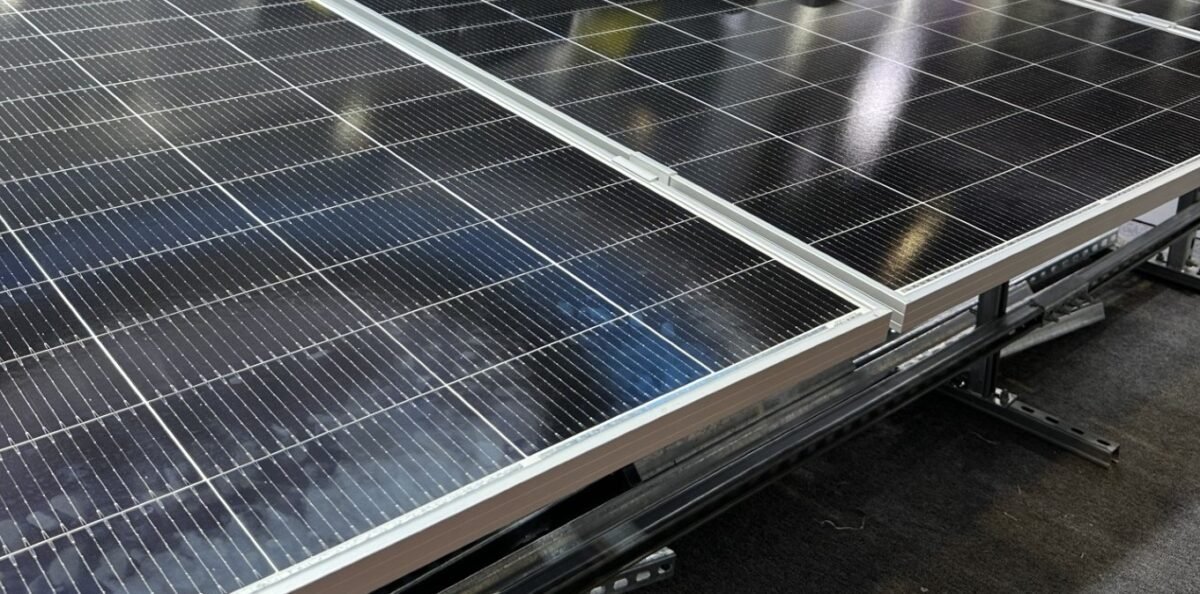
Let’s geek out for a sec: 13 MW isn’t pocket change. With an estimated annual output of 17,500 MWh, this system likely uses around 31,000 solar panels (assuming 420W modules). No word on whether they’re tracking arrays, but given Louisiana’s latitude, fixed-tilt seems probable.
Who Made It Happen? A Power Trio
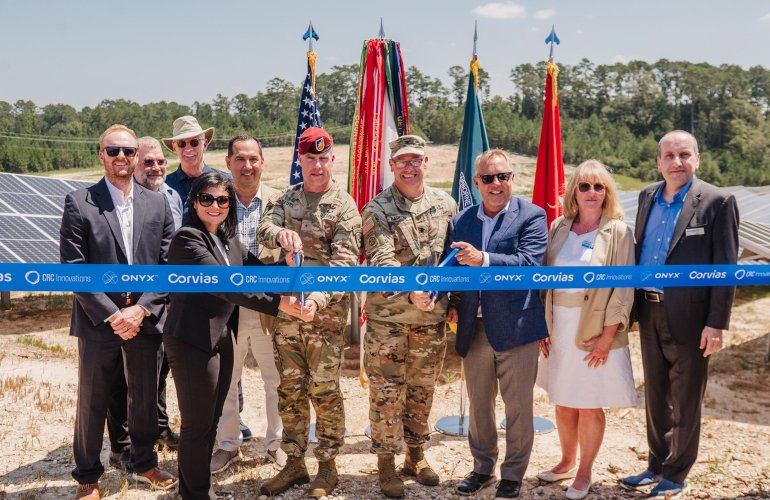
Corvias handled infrastructure, CRC Innovations brought tech savvy, and Onyx Renewables steered the solar build. Interesting fact: Onyx specializes in commercial-scale projects where space is tight—handy for confined bases.
But What About Cloudy Days?
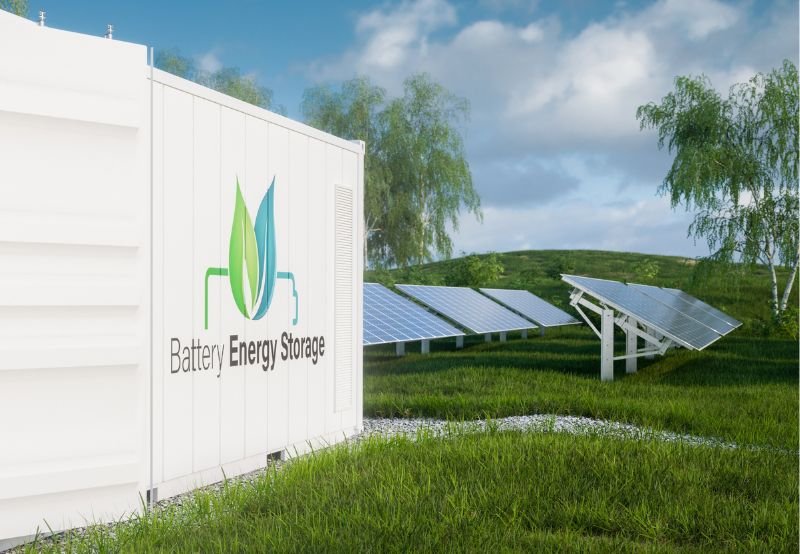
Good question. While the article doesn’t mention storage, most modern military microgrids pair solar with diesel backups or Tesla Megapacks. Daytime solar cuts fuel consumption; batteries cover nighttime ops. Win-win.
The Bigger Picture: DoD’s Renewable Push
This isn’t isolated. The military aims for 25% renewable energy by 2025. From solar carports at Nellis AFB to geothermal at Fort Bragg, they’re dead serious about resilience. Taxpayer savings? Just a bonus.
Final thought: If the Pentagon trusts solar for mission-critical loads, maybe your next commercial project should too.