USDA Tightens REAP Funding for Solar on Farmland
Solar developers and farmers just hit a snag: The USDA is pulling back financial support for solar projects on agricultural land. Secretary Brooke Rollins dropped the news on social media, calling out renewable energy’s ‘destruction’ of farmland. But what does this really mean for the industry? Let’s break it down.
Why the Sudden Shift in REAP Funding?
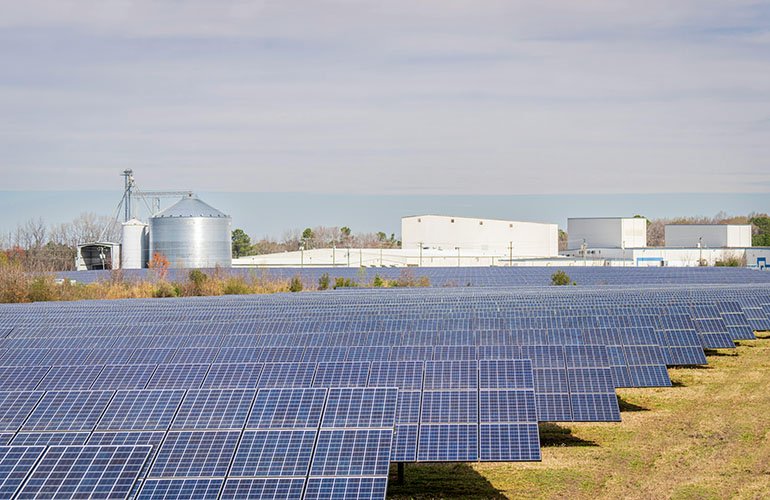
The Rural Energy for America Program (REAP) has long been a lifeline for small farms and rural businesses wanting to go solar. Now, the USDA claims solar panels are threatening fertile soil—despite studies showing agrivoltaics can boost crop yields. It’s a classic case of short-term optics versus long-term sustainability. Solar installations occupy under 0.1% of U.S. farmland, yet the narrative sticks.
The Numbers Don’t Lie
Since 2018, REAP grants have funded over 1,200 solar projects nationwide. Nebraska alone saw a 300% jump in farm-based PV systems last year. Now, with red tape mounting, expect delays in permit approvals and tighter acreage restrictions. Ironically, this clashes with the Inflation Reduction Act’s push for rural solar adoption.
How Installers Can Adapt
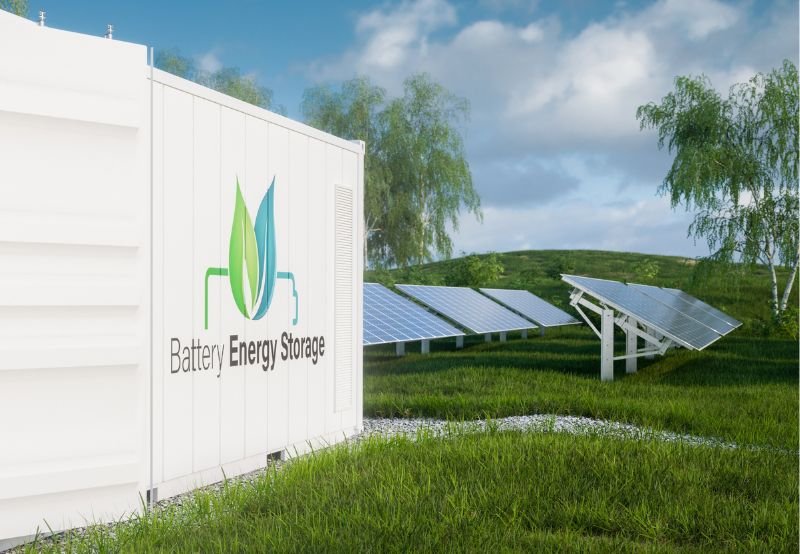
First, pivot toward dual-use solar sites. Brands like Nextracker now offer single-axis trackers designed for grazing livestock underneath. Second, emphasize storage integrations—Tesla Powerwall setups can make smaller arrays more viable for REAP’s pared-down budgets. Finally, local lobbying matters. The Iowa Solar Energy Trade Association recently secured carve-outs for pollinator-friendly solar farms. Could your state be next?
The Farmland Fallacy
Secretary Rollins isn’t entirely wrong—some early solar projects did pave over prime soil. But modern designs leave topsoil intact. A University of Massachusetts study found co-located solar and hay production increased land productivity by 60%. The USDA’s blanket restrictions ignore these advancements.
What’s Next for Rural Solar?
Industry groups are already drafting appeals, but don’t wait for policy shifts. Explore state-level agrivoltaic incentives (Minnesota’s are particularly robust) and consider leasing instead of buying land to ease farmer concerns. And remember: reliability isn’t a luxury—it’s non-negotiable. With grid instability rising, solar-plus-storage remains rural America’s best hedge against blackouts.
This isn’t the end for farm-based solar. It’s a detour—one that’ll force smarter project designs and stronger community partnerships. The panels aren’t going anywhere; they’re just getting more creative.