Enphase Energy Expands U.S. Solar Growth with Second Safe Harbor Deal
Unlocking Solar Energy Potential
Enphase Energy has secured its second safe harbor agreement with a major financing company, marking a significant milestone in the solar energy sector. This strategic move is not just paperwork; it’s a play to keep solar affordable as policy landscapes shift. Safe harbor agreements, like the Recurrent Energy deal, allow companies to lock in current solar incentives before potential changes, safeguarding against policy uncertainty.
Financing Angle and Third-Party Ownership Models
This deal ensures stability for third-party ownership models, such as leases and PPAs, which are crucial for solar energy expansion. With the Inflation Reduction Act’s tax credits facing political headwinds, safe harbor agreements like this one play a critical role in maintaining the momentum of residential solar adoption.
Microinverters vs. String: The Hidden Advantage
Enphase Energy outmaneuvers competitors like Tesla or Fronius with its microinverter tech, simplifying third-party financing. Leased systems need reliability, and microinverters offer a significant advantage by isolating issues, unlike string inverters, which can cause a whole system to fail. This technological edge, combined with domestic content production milestones, positions Enphase for continued success in the solar market.
Battery Bonus and Seamless Integration
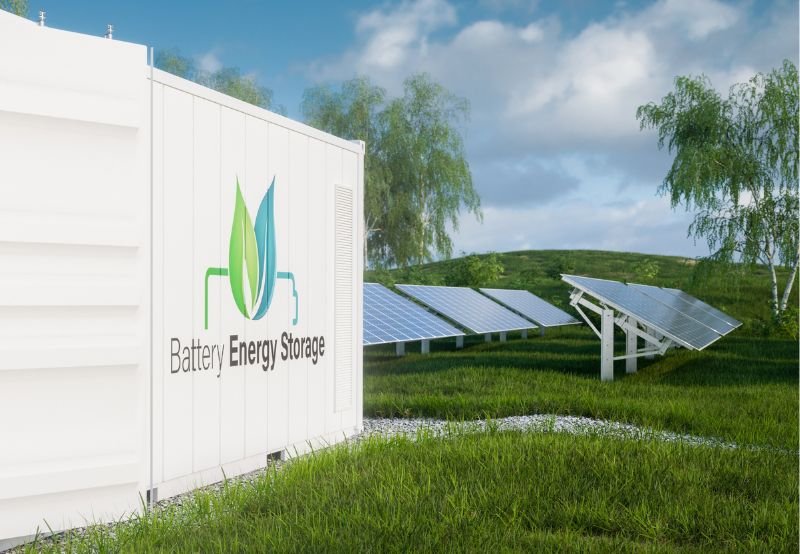
The agreement likely includes energy storage, with Enphase’s latest batteries syncing effortlessly with their inverters. This seamless integration makes them a financier’s dream, reducing maintenance risk and leading to happier investors and more installations, similar to the TotalEnergies and RGE deal.
Impact on Installers and Solar Industry Growth
Contractors get a clearer pipeline with financing pre-arranged, shortening sales cycles. However, there’s a catch: Enphase systems command premium pricing. Whether installers will absorb this cost or pass it to customers remains to be seen, but the trend of green hydrogen sector growth indicates a shift towards sustainable energy solutions.
The bottom line? This deal signals confidence in residential solar’s growth, policy turbulence notwithstanding. It’s a win for renewable energy, mirroring global trends like the growth of renewables in the EU.