Sungrow Boosts Solar Research with Unicamp Power Plant Donation
Renewable energy solutions are gravitating toward innovative research in solar technology. Sungrow has announced its partnership with MTR Solar, Risen, and VGR Energy to donate a 1.5-megawatt solar power plant to Brazil’s Unicamp to foster innovation and development in the solar energy sector. This collaboration is expected to reshape the future of solar innovation. Unicamp, Brazil’s top-ranked research institution for engineering and technology, will benefit from this donation.
Why Unicamp?
Unicamp (Universidade Estadual de Campinas) is not just any university. It holds the top spot in Brazil for engineering and technology research. With Sungrow’s 150kW plant feeding into their grid, students and professors will gain hands-on access to commercial-grade equipment, including solar panels, inverters, and monitoring systems.
The Equipment and Expertise Donated
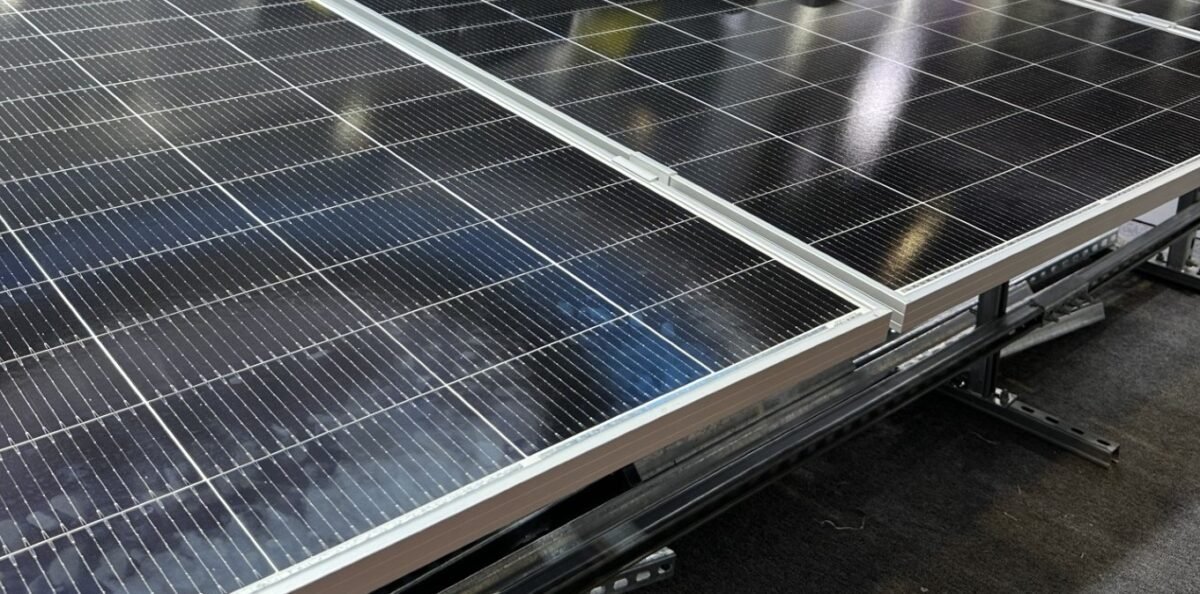
Sungrow’s SG125HV inverter will serve as the plant’s backbone, paired with Risen’s high-efficiency modules. These aren’t lab toys; they’re the same models powering utility-scale projects across Brazil. Researchers can study everything from voltage fluctuations to panel degradation under tropical conditions, advancing solar power technology.
The Bigger Picture for Brazil
Brazil’s energy matrix is already 85% renewable, thanks to hydropower. However, droughts are making reservoirs unreliable. Solar power seems like the obvious fix, yet it accounts for just 2% of generation. This donation tackles two barriers: training the next-gen workforce and proving distributed generation’s viability.
Energy Independence for Brazil
Data from Unicamp’s plant will influence real-world projects by answering practical questions, such as how monofacial panels perform in high-humidity environments and what the true ROI is when factoring in Brazil’s net metering policies. These insights could trim project payback periods by 6-12 months, making renewable energy more accessible.
What’s Next for Collaborative Research?
This model, where manufacturers donate operational assets, might become standard. Enphase did it in California, Tesla in Australia. Unlike one-off grants, these plants keep generating value. The research potential scales with each student cohort and software upgrade, driving solar energy growth.