Haryana Advances Grid Stability with 10MW Battery Storage Tender
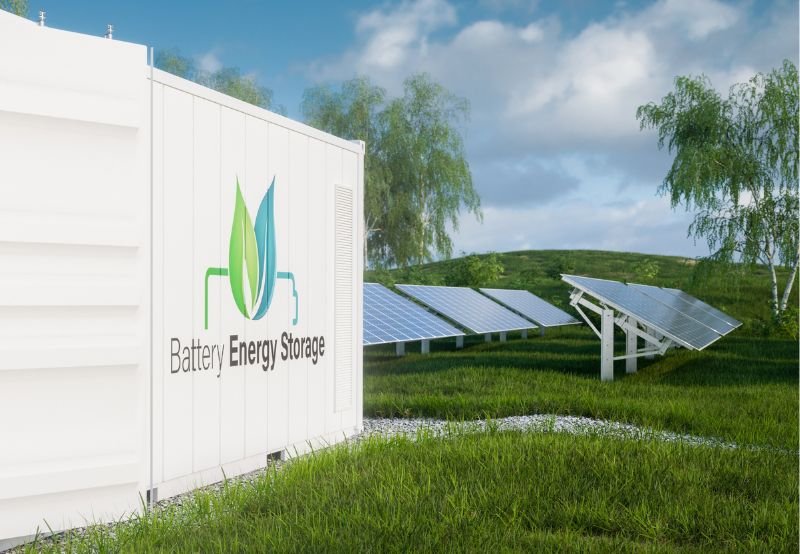
Dakshin Haryana Bijli Vitran Nigam Limited has launched a groundbreaking tender for four standalone battery storage projects of 2.5MW/5MWh each. This strategic initiative aims to bolster grid reliability and manage solar intermittency during peak demand cycles. The move follows global trends seen in advanced battery storage projects that enhance renewable energy integration.
Economic Viability of Utility-Scale Batteries
With lithium-ion prices dropping to $137/kWh from $1,000 just a decade ago, grid-scale storage becomes financially feasible. Haryana’s tender specifies 2-hour duration systems ideally suited for evening peak loads when solar generation declines but cooling demand remains high. This aligns with India’s broader renewable energy investment strategy.
Technical Specifications and Potential Bidders
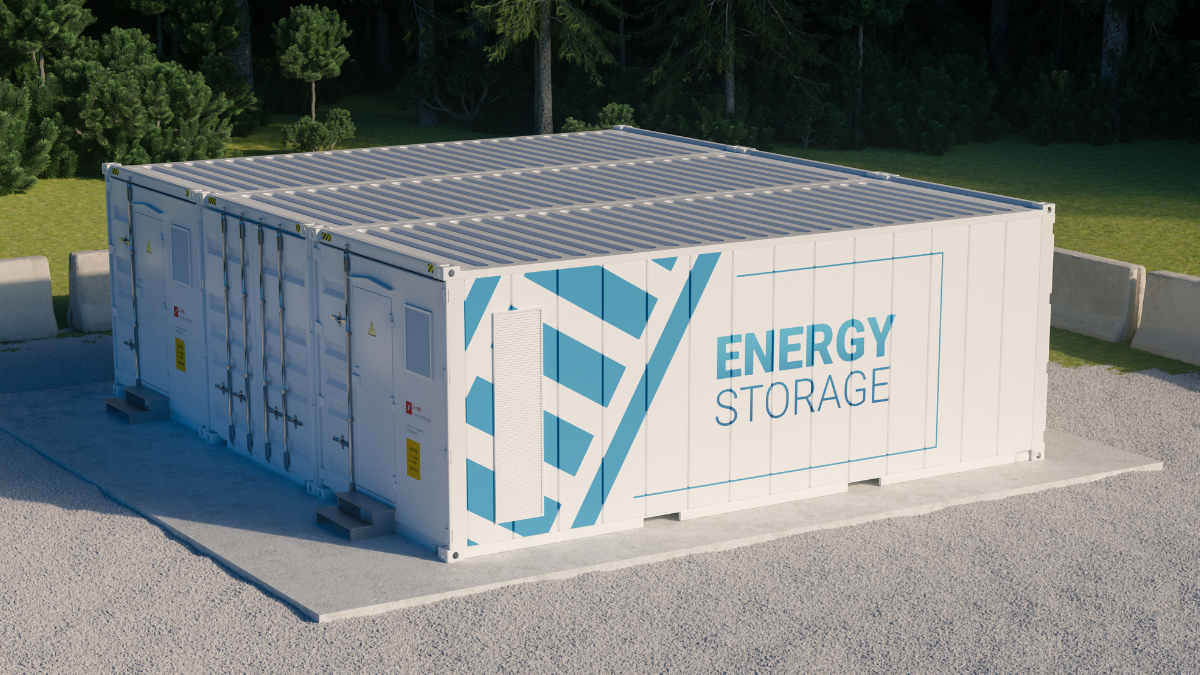
The tender technical requirements suggest strong prospects for major players like FLUENCE or Tata Power Solar, both experienced in grid-scale solar integration. The systems will likely incorporate containerized battery racks from leading manufacturers to meet the 45-day commissioning timeline.
Strategic Grid Benefits
Beyond energy storage, these projects will defer costly substation upgrades in Southern Haryana. The battery systems act as shock absorbers for sudden load spikes in outdated infrastructure originally designed for 1990s electricity demand patterns.
National Renewable Energy Implications
MNRE’s draft storage policy encourages similar deployments nationwide. Successful implementation in Haryana could catalyze battery adoption in Maharashtra and Gujarat, mirroring Rajasthan’s leadership in utility-scale storage solutions.
Financial Considerations
- Current levelized cost: ₹6.5/kWh
- Avoided transmission losses: 8-12% savings
- Peak demand charge reduction potential: 15-20%
The submission window allows developers to evaluate innovative financing models amid India’s evolving solar investment landscape.