Illinois Pioneers Equity Solar with 3.26-MW Community Project
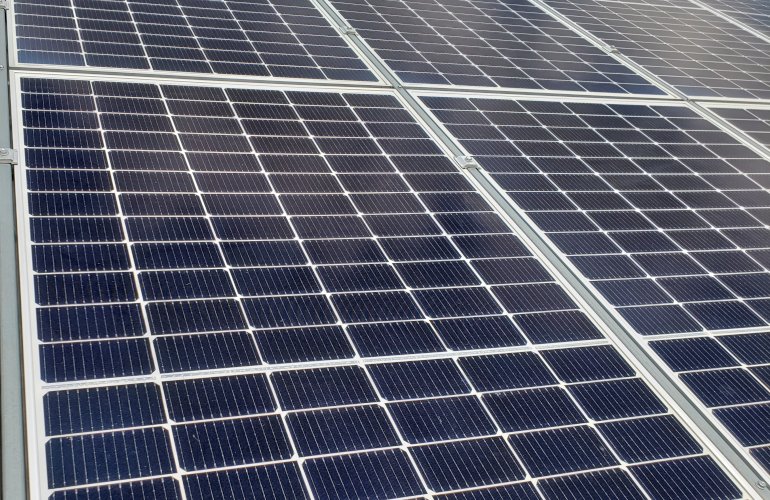
Equity Solar Illinois (ESI) has just flipped the switch on the state’s first Community Solar Garden under the Equity Eligible Contractor program. The 3.26-MWDC Cattail Solar project in Fulton isn’t just another array of solar panels—it’s a milestone for inclusive clean energy. But what makes this project stand out in a field crowded with renewables?
Why Fulton? Why Now?
Community solar has been gaining traction nationwide, but Illinois is playing catch-up. The state’s adjustable block program—a mouthful for “pay-as-you-go solar incentives”—finally has its flagship project. ESI’s installation powers roughly 600 homes, but its real impact lies in workforce development. Industrial solar adoption is crucial for the state’s renewable energy goals.
Empowering Local Communities
“We saw how lack of training kept locals from solar jobs,” says an ESI project manager. Now, they’re hiring and training Fulton residents to install PV modules. This model of industrial rooftop solar with a focus on local workforce development can be replicated in other areas.
Batteries Not Included—Yet
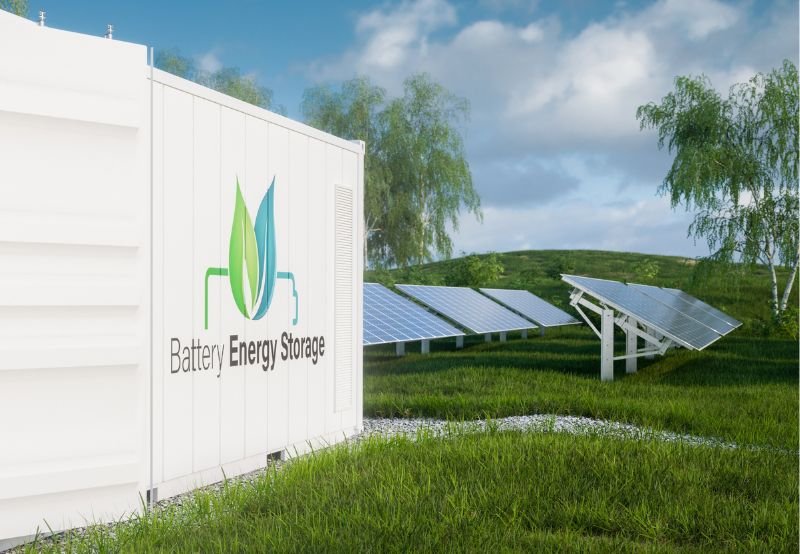
Here’s the catch: The Cattail system ships power straight to the grid without storage. Given Illinois’ net metering policies, that’s financially sound. But peek at next year’s plans, and you’ll see Tesla Powerwall battery integration. Solar without storage is like a car without a gas tank—functional, but limited.
The Equity Question
“Equity Eligible” sounds bureaucratic, but it means real change. Low-income households often get priced out of rooftop solar. Here, subscribers save 15-20% on bills without installing a single panel on their roofs. Critics argue community solar is just feel-good marketing, but this project proves it can be a game-changer for affordable energy access.
Midwest’s Solar Winter Myth
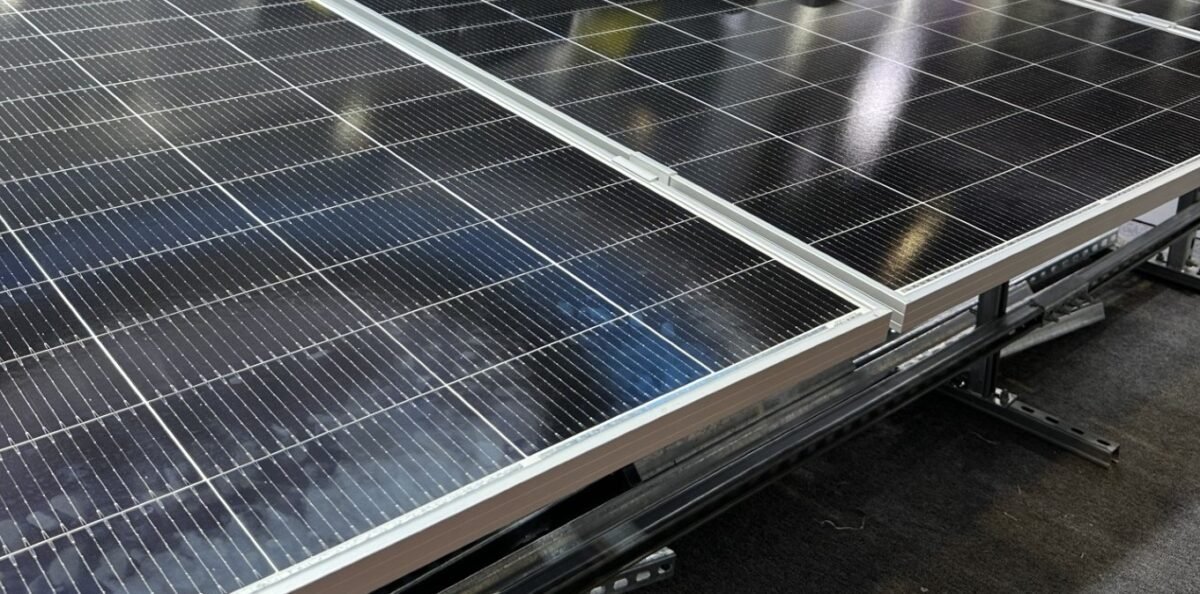
“But what about winter?” critics scoff. Modern bifacial solar panels—like those used here—catch sunlight bouncing off snow. January production dips, sure, but annual output still beats forecasts. This reminds us of Minnesota’s solar boom: Cold climates actually improve panel efficiency.
What’s Next for Illinois Solar?
ESI’s project is a test case for the state’s 40% renewable target by 2030. With ComEd’s grid ready for more distributed generation, the real challenge isn’t technical—it’s logistical. Permitting delays and transformer shortages could slow growth.