Sri Lanka Launches 160 MW Battery Storage Tender for Solar Integration
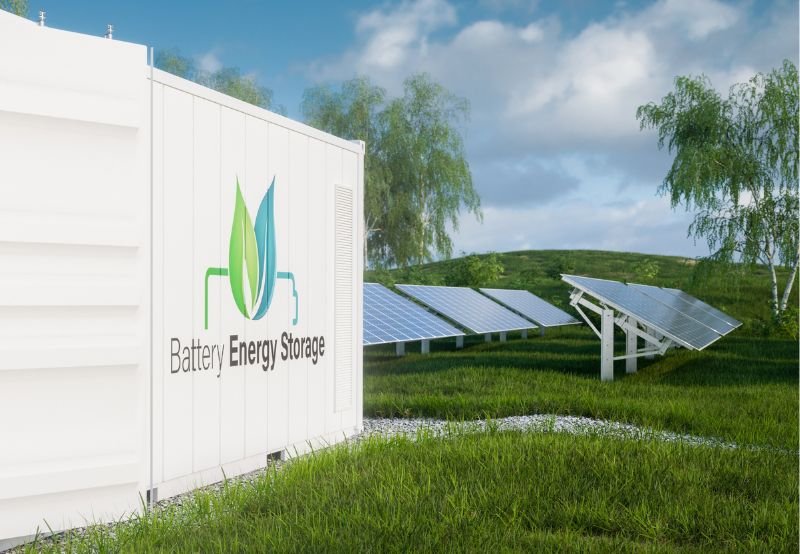
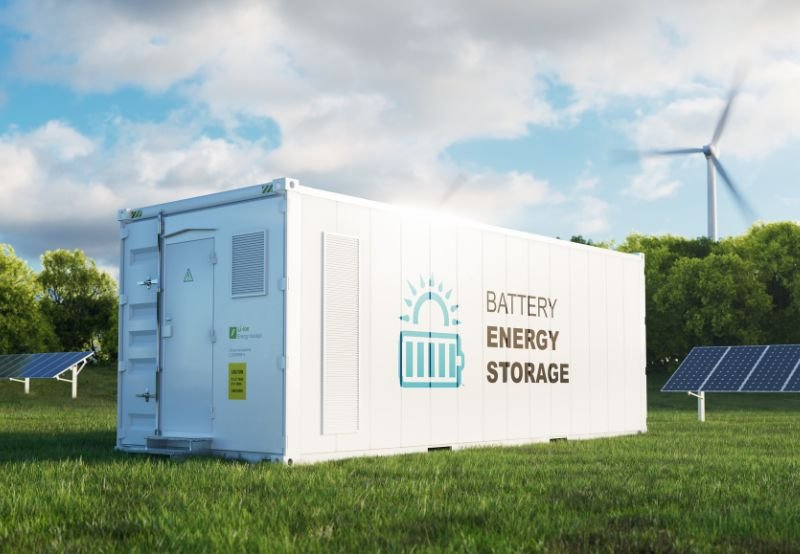
The Ceylon Electricity Board (CEB) is making waves with its latest international tender for 160 MW/640 MWh standalone Battery Energy Storage Systems (BESS). This move underscores Sri Lanka’s commitment to renewable energy growth and grid stability. But what does this mean for solar developers and battery manufacturers? Let’s break it down.
Why Battery Storage? The Grid’s Missing Puzzle Piece
You might wonder why Sri Lanka is jumping into large-scale batteries now. The answer’s simple: solar panels don’t produce at night, and wind isn’t constant. A solar kit in your home is one thing, but grid-scale systems like these are game-changers. They store excess solar energy during peak production and release it when demand spikes—like during evening hours when everyone switches on lights.
Project Snapshot: The Numbers Behind 640 MWh
640 MWh could power around 50,000 Sri Lankan homes for four hours during outages. That’s not pocket change. With solar-plus-storage becoming increasingly cost-effective, projects like this are becoming feasible where they weren’t five years ago.
The Solar-Battery Marriage: More Than Just Backup
Some think batteries just provide emergency power. Not quite. When paired with solar farms, they smooth out power delivery, reducing reliance on costly peaker plants. Imagine a cloudy afternoon: panels dip, but the battery bridges the gap before diesel generators kick in. That’s how you achieve grid parity without blackouts.
Challenges? Of Course—But Not Dealbreakers
Battery projects aren’t plug-and-play. Land acquisition, cycle degradation, and monsoon humidity pose hurdles. Yet with proper engineering—like SMA Sunny Island inverters handling charge cycles—these systems can thrive. Remember California’s 2020 rollout? Early hiccups, now a benchmark.
For Developers: What’s in This For You?
If you’re bidding, expect fierce competition but long-term rewards. Sri Lanka’s solar feed-in tariffs may sweeten the deal. And let’s be real—bagging a reference project here opens doors across South Asia’s emerging markets.
The Bottom Line: Storage Isn’t Optional Anymore
Sri Lanka’s tender proves batteries have moved from ‘nice-to-have’ to core infrastructure. Whether it’s BYD or ABB winning contracts, one thing’s clear: solar without storage is like a car without brakes—you might move forward, but stopping safely is the real trick.