U.S. Solar Supply Chain Report Exposes Critical Manufacturing Challenges
A groundbreaking analysis by the BlueGreen Alliance and Rocky Mountain Institute reveals significant gaps in America’s solar manufacturing capabilities. The report introduces an innovative supply chain mapping tool that highlights the nation’s concerning dependence on imported materials despite growing domestic U.S. solar manufacturing risks.
Key Component Shortages in Solar Production
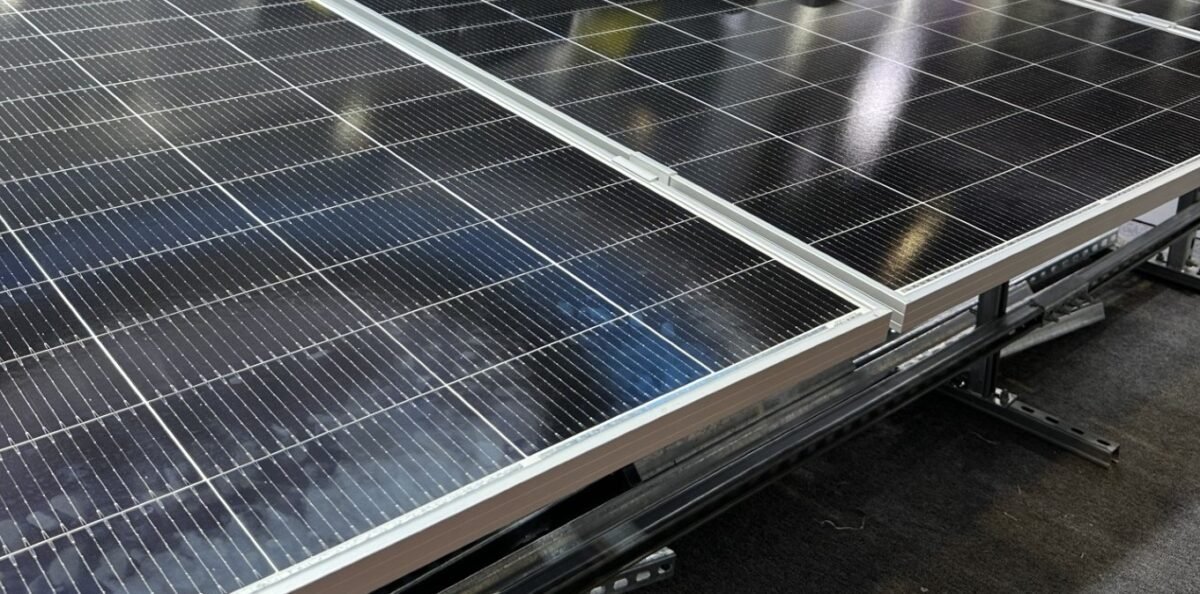
The study shows 78% of PV modules rely on foreign inputs, from silicon ingots to thin-film substrates. While some manufacturers like First Solar excel in cadmium telluride panels, domestic production lags for essential components used in advanced technologies like the Jinko Tiger Neo III bifacial solar modules.
Energy Storage Bottlenecks
Storage systems emerge as another vulnerability – despite Tesla’s gigafactories, most lithium-ion battery minerals require imports. The analysis underscores that addressing battery storage challenges remains crucial for energy independence.
Workforce Development Hurdles
The sector faces a critical 12,000-worker shortage in installation trades, with training program disparities persisting despite successful regional models.
Policy Solutions
- Strategic deployment of Section 45X tax credits with state incentives
- Developing the Midwest as a silica processing hub
- Strengthening industry-education partnerships
Strategic Recommendations
The report proposes actionable solutions including:
- Stockpiling critical materials
- Performance-based onshoring subsidies
- Stress testing supply chain vulnerabilities
These findings mirror global renewable sector challenges, including those detailed in analyses of India’s solar manufacturing boom, highlighting worldwide supply chain interdependencies.