New Treasury Rules Tighten ITC Safe Harbor for Large Solar Projects
The solar industry faces a pivotal shift as the Department of Treasury introduces strict new requirements for Investment Tax Credit (ITC) safe harbor qualification. Effective August 15, developers must now meet stringent physical work standards – a move that reshapes project financing timelines and execution strategies.
Key Changes in ITC Qualification Criteria
Gone are the days when procurement paperwork sufficed. The IRS now mandates either:
- 5% of total project costs spent
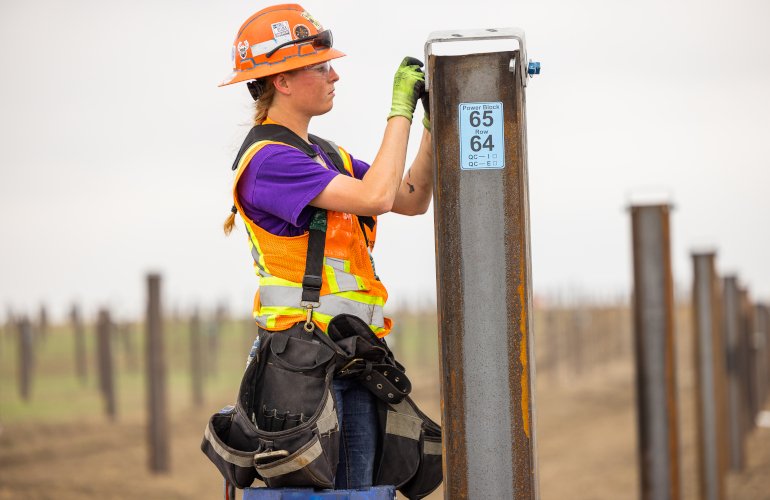
- Visible construction activity on-site
This aligns with recent US solar manufacturing protection measures that prioritize tangible progress over documentation.
The Physical Work Test: New Operational Realities
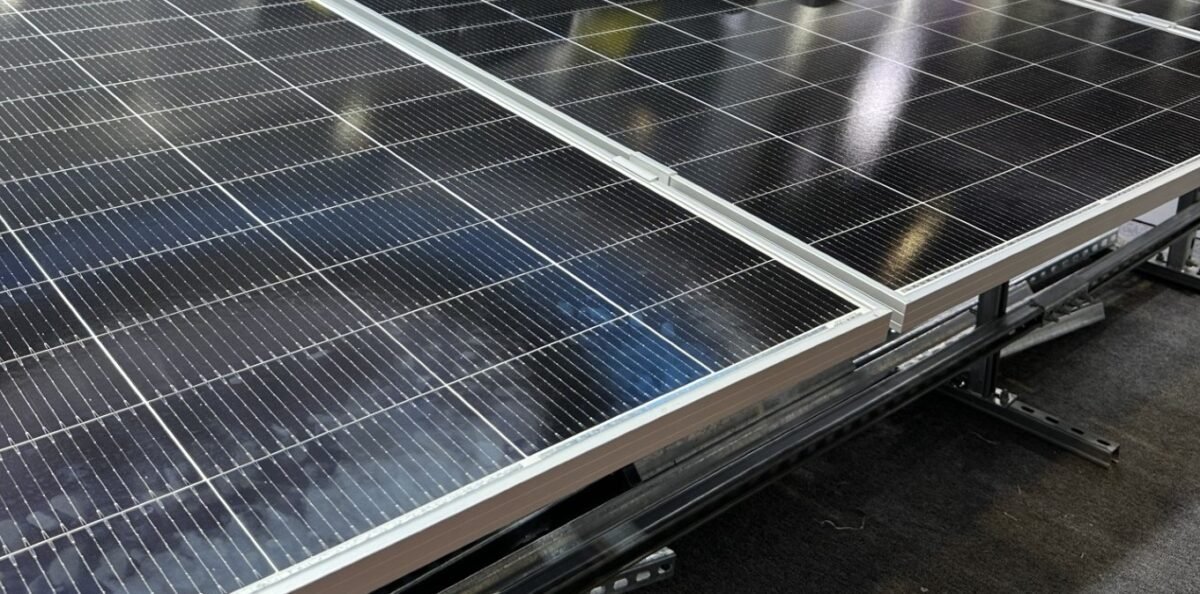
Warehoused equipment like Canadian Solar EP Cube systems no longer qualify. Only active site preparation (grading, trenching) or installed components count – mirroring Recurrent Energy’s Kentucky project financing requirements.
Industry Impact and Strategic Responses
The changes create both challenges and opportunities:
- Project Audit: Review existing documentation for compliance gaps
- Tax Advisory: Consult experts on IRS interpretation nuances
- State Alignment: Monitor local incentive adjustments
These measures mirror trends seen in India’s solar job growth, where hands-on execution became critical for market leadership.
Silver Linings in Regulatory Tightening
While potentially slowing speculative projects, the rules may ease grid interconnection queues – similar to benefits observed in Germany’s solar integration initiatives. The shift from planning to proof could accelerate viable developments.