JA Solar Partners with JUWI for 220MW South African Solar Projects
South Africa’s solar landscape has taken a significant step forward with a major collaboration between JA Solar, a leading PV module manufacturer, and JUWI Renewable Energies. The partnership involves two large-scale solar projects totaling 220MW, marking a milestone in the country’s transition to renewable energy.
Why South Africa is a Key Market for Solar Energy
South Africa is no stranger to the challenges of meeting its electricity demands, having faced numerous instances of load shedding in recent years. The country’s aging coal plants and increasing energy needs make it an ideal location for the adoption of renewables. With solar power, South Africa can not only meet its electricity demands but also reduce its reliance on fossil fuels. The growth of renewable energy is crucial for the country’s sustainable development.
The Technology Behind the Deal
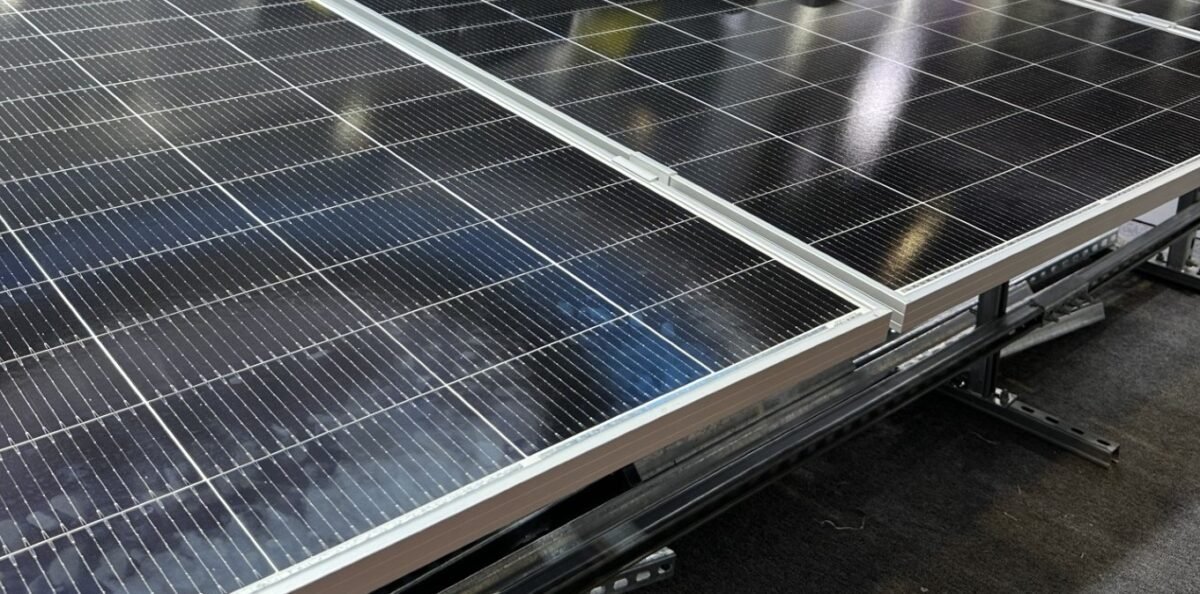
JA Solar will be supplying its high-efficiency n-type TOPCon solar modules for these projects. These modules boast an impressive 22.5% efficiency rate, significantly higher than traditional PERC modules. When combined with JUWI’s expertise in engineering, procurement, and construction (EPC), the partnership is poised to deliver a cutting-edge solar solution that can thrive in South Africa’s challenging climate conditions. Innovations in solar panel technology are driving efficiency and performance.
Addressing Grid Stability Concerns
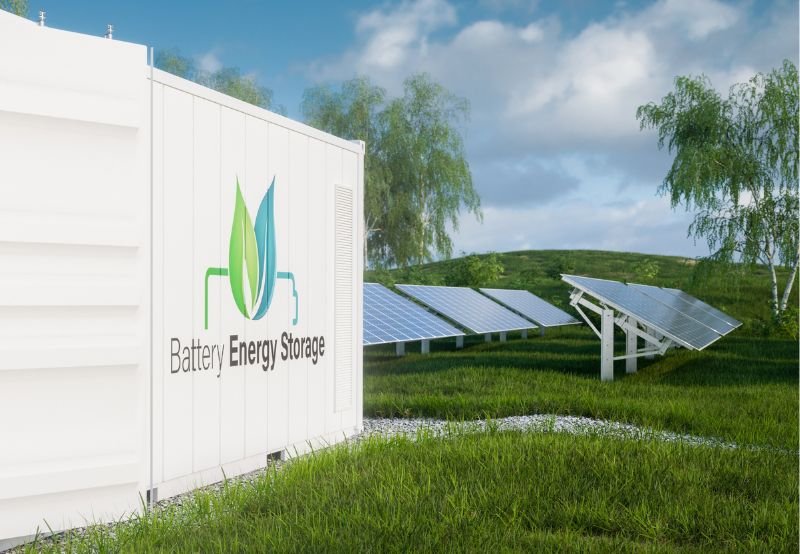
One of the common concerns with integrating solar energy into the grid is the issue of intermittency. However, the projects under this partnership are designed with battery-ready capabilities. This means that they can be easily integrated with energy storage systems in the future, such as battery energy storage systems (BESS), ensuring grid stability and a reliable supply of electricity.
The Economic Advantage of Utility-Scale Solar
Utility-scale solar projects have reached grid parity in many parts of the world, including South Africa. The Levelized Cost of Electricity (LCOE) for solar in South Africa is significantly lower than traditional energy sources, making it an economically viable option for power generation. The shift towards community solar projects and utility-scale solar is driven by economic advantages.
Job Creation and Community Development
Beyond the energy benefits, these solar projects are expected to create a significant number of jobs during their construction phase, contributing to the local economy. Initiatives like these demonstrate how renewable energy projects can have a positive impact on communities, providing not only clean energy but also employment opportunities. Solar energy for data centers and industrial applications is also on the rise.
The Ripple Effect of Renewable Energy Growth
This partnership aligns with South Africa’s Integrated Resource Plan (IRP) 2030, which targets the inclusion of 18GW of renewable energy by 2030. The success of these projects could serve as a catalyst for further renewable energy initiatives in the region. Neighbor countries like Zimbabwe are also investing in solar energy, indicating a broader shift towards renewables in the continent.
The collaboration between JA Solar and JUWI Renewable Energies is a significant step towards fulfilling South Africa’s renewable energy ambitions, contributing to a cleaner, more sustainable future for the region. As the world moves towards increased adoption of renewable energy, partnerships like these will play a crucial role in driving growth and innovation in the sector.