EBRD and Partners Boost Morocco’s Solar and Climate Resilience
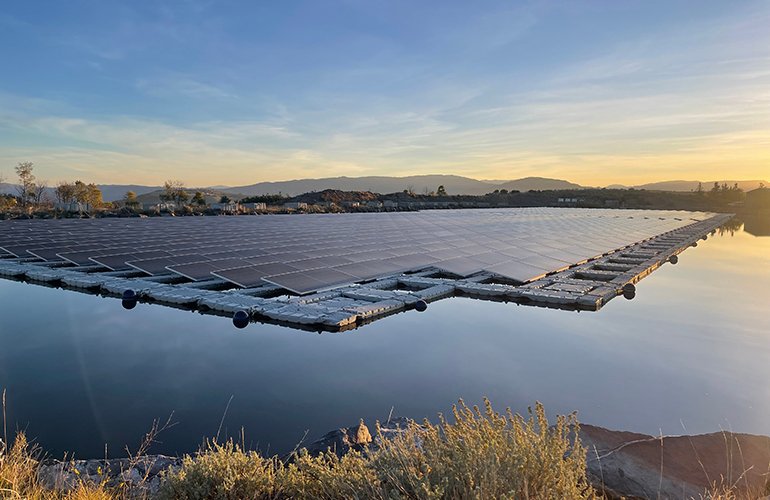
Morocco is no stranger to ambitious renewable energy goals. The country aims to generate over 50% of its energy from renewables by 2030, and international partnerships are making this a reality. The European Bank for Reconstruction and Development (EBRD), alongside the European Union, Green Climate Fund, and Canada, is injecting funding and expertise into climate mitigation and adaptation projects. This collaboration is expected to boost Morocco’s solar energy output and improve its climate resilience.
Why Morocco? Sun, Strategy, and Stability
With some of the highest solar irradiance levels in North Africa, Morocco is a natural fit for large-scale solar projects. The Noor Ouarzazate complex, one of the world’s largest concentrated solar plants, already proves what’s possible. Yet, gaps remain—especially in rural electrification and grid modernization.
The Funding Breakdown: Where’s the Money Going?
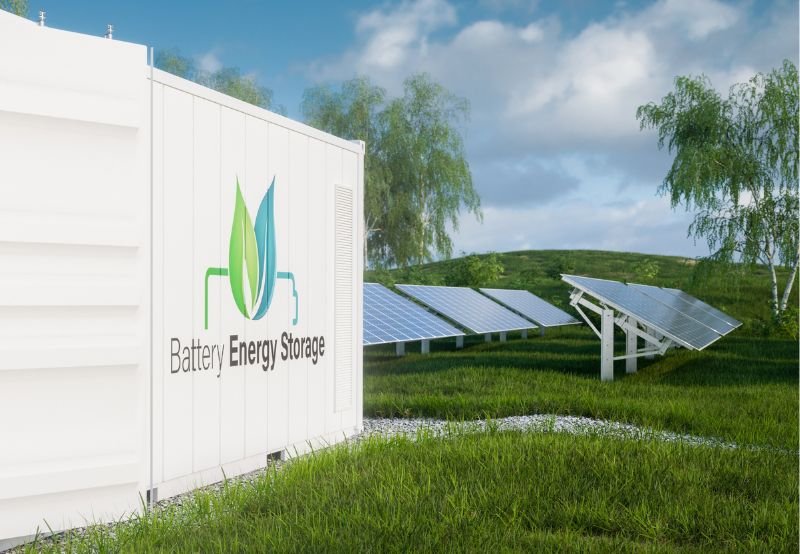
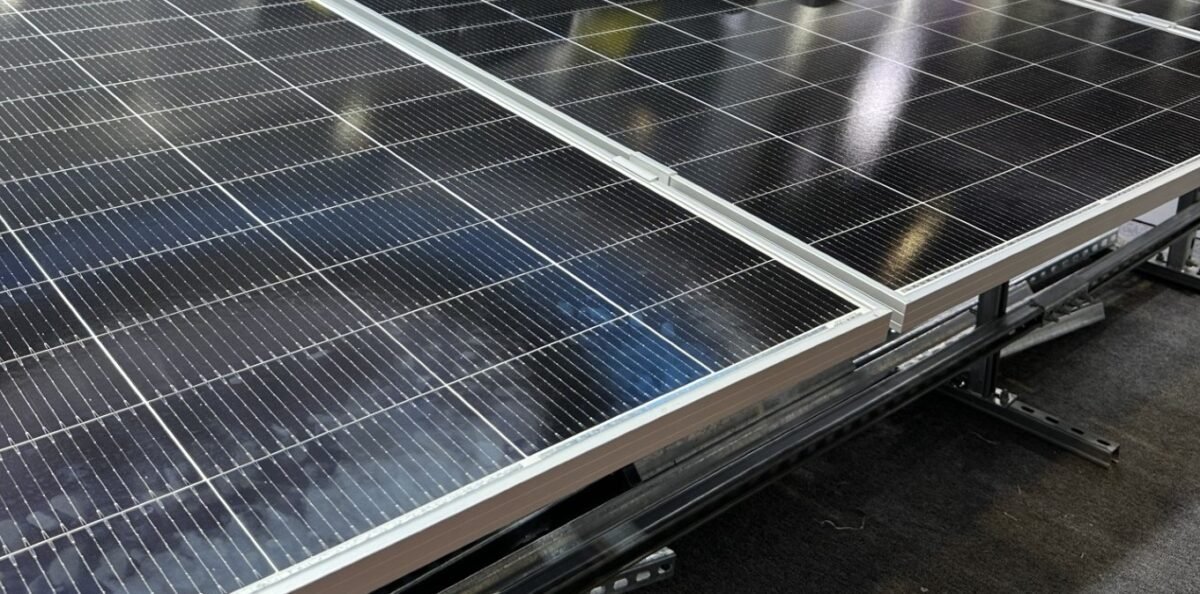
The EBRD’s High-Impact Partnership pledges up to $1 billion for climate projects in Morocco. Expect this to fuel solar farms, battery storage (think Tesla Powerwall alternatives), and grid resilience upgrades. Small-scale solar for agriculture is another focus—drip irrigation powered by PV modules can cut water use by 30%.
Solar Panels Aren’t Enough—Here’s Why Adaptation Matters
Climate adaptation might sound less exciting than glimmering solar arrays, but it’s critical. Morocco faces worsening droughts, and energy-intensive desalination plants will need renewables to stay sustainable. Hybrid systems combining solar and wind could be game-changers. As noted in the Hybrid Solar Systems vs Solar Panels discussion, there are advantages to combining these energy sources.
What’s Next for Morocco’s Clean Energy Transition?
Watch for distributed solar gaining traction—rooftop systems paired with Fronius inverters could empower households. And with COP28 emphasizing Global South partnerships, Morocco might just become Africa’s solar blueprint.