JSERC Tariff Regulations 2025 Shape Jharkhand’s Solar Future
The Jharkhand State Electricity Regulatory Commission (JSERC) just dropped a game-changer for renewable energy developers. Their Draft Tariff Regulations for 2025 could rewrite the rules for solar projects across the state—and you’ll want to pay attention if you’re in the industry. These regulations don’t just tweak the numbers; they redefine how power generation gets priced, approved, and integrated into Jharkhand’s grid.
What’s Inside the New Tariff Framework?
The 38-page document shifts from cost-plus models to more performance-based incentives. Solar developers might see this as a mixed bag—on one hand, tariffs could drop by 8-12% for utility-scale projects. On the other, there’s new flexibility for hybrid systems combining solar with wind or storage.
Battery Storage Gets Its Moment
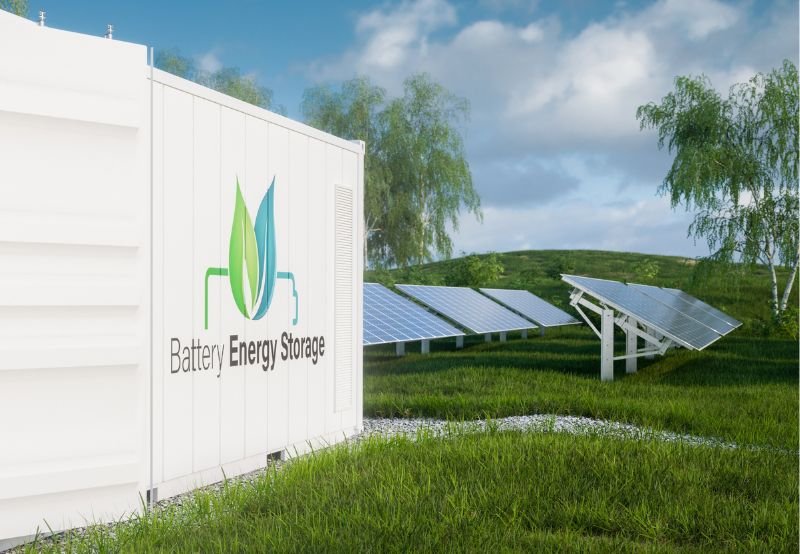
This is where it gets interesting. The regulations introduce India’s first state-level time-of-day tariffs specifically accommodating solar-plus-storage. Think Tesla Powerwall setups, but scaled for industrial use. During peak hours (7-11 AM and 6-10 PM), feed-in tariffs jump 22% compared to standard rates.
Will Small Projects Survive?
Here’s the contradiction: while the draft promotes large installations, rooftop solar incentives actually increased. Systems under 10KW now get 12% higher tariffs than commercial projects. That’s rare—most states do the opposite. Maybe JSERC noticed Germany’s success with distributed generation.
The Fine Print on Grid Compliance
New reactive power charges could sting developers using older inverters. Fronius and SMA techs might become busy—the regs mandate 0.9 power factor compliance even during low generation. No more cutting corners with undersized capacitors.
Deadlines You Can’t Miss
Mark your calendars: Tariff petitions for 2025-26 need submission by October 15. Late entries face a 0.5% daily penalty. Ouch. The commission clearly means business.
What This Means for Your ROI
Solar seems expensive upfront under the new caps—until you factor in the 15-year tariff guarantees. That’s three years longer than Maharashtra’s policy. Combined with 18% depreciation benefits, payback periods could shrink to under 4 years for well-planned projects.
The Road Ahead
Public hearings start September 5 in Ranchi. Expect heated debates about the biomass co-firing mandate—yes, they snuck that in too. One thing’s certain: Jharkhand’s playing to win in India’s renewable race.